
Unlocking Learning Success: Teh Psychology Behind Gamification in Education
In today’s rapidly evolving educational landscape, gamification in education has emerged as a dynamic method to foster learner engagement, improve motivation, and drive academic success. But what makes gamification such a powerful tool? The answer lies in the science of human psychology. In this comprehensive guide, we will explore the principles behind gamification in education, uncover its psychological roots, and share actionable strategies for integrating gamification to unlock learning success in any educational setting.
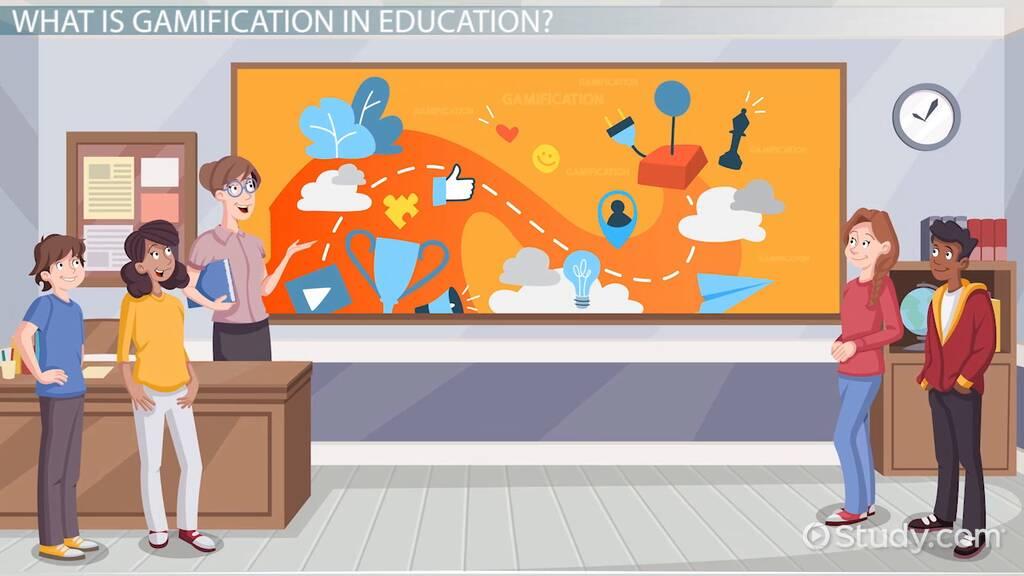
What Is Gamification in Education?
Gamification involves integrating game elements such as points, badges, leaderboards, and challenges into non-game contexts, like classroom learning or online courses. By leveraging these strategies,educators transform traditional curricula into immersive,interactive experiences that stimulate learners’ intrinsic and extrinsic motivations.
- Points & Scores: Rewarding achievements and tracking progress.
- Badges & Certifications: Recognizing milestones and mastery.
- Leaderboards: Encouraging healthy competition and social interaction.
- Levels & Challenges: Providing clear goals and boosting persistence.
The ultimate goal of gamification in education is to make learning engaging and fun, while supporting deeper understanding and long-term knowledge retention.
The Psychology Behind Gamification: Why It Works
To understand why gamification is so effective, we must dive into foundational psychological theories of motivation and behavior:
Self-Determination Theory
Self-Determination Theory (SDT) posits that people are most motivated when they experience autonomy, competence, and relatedness.Gamification supports SDT in the following ways:
- Autonomy: Learners have choices in how they engage wiht gamified content.
- Competence: Badges, feedback, and progression systems reinforce learners’ sense of achievement.
- Relatedness: Social features like leaderboards and team quests enhance connection and collaboration.
Behavioral Psychology & Reward Systems
B.F. Skinner’s operant conditioning theory explains how behavior is shaped by rewards and consequences. Gamified systems utilize immediate feedback, progress bars, and token rewards to trigger dopamine release, making the learning process enjoyable and habit-forming.
Goal Orientation Theory
Setting clear, achievable goals is vital for motivation. Gamification introduces incremental objectives, which help learners focus, persist, and build confidence as they conquer each challenge.
Benefits of Gamification in Education
The request of gamification in modern classrooms and e-learning platforms offers profound advantages for both students and educators:
- Enhanced Engagement: Game elements capture and maintain attention.
- Improved Motivation: Intrinsic and extrinsic rewards keep learners striving for progress.
- Immediate Feedback: learners can instantly see how they’re performing and adjust their strategies.
- Adaptability: Gamification can be tailored to individual learning styles and paces.
- Social Learning: Collaborative and competitive elements promote teamwork and communication.
- Fostered Growth Mindset: Incremental challenges teach resilience and a positive attitude towards mistakes.
real-World Case Studies: Gamification in Action
Kahoot! and Digital Quiz Platforms
Tools like Kahoot! have revolutionized test prep and classroom reviews by transforming traditional quizzes into engaging, fast-paced games. A 2022 study showed that student participation and performance averaged 20% higher with gamified quizzes compared to standard formats.
Duolingo’s Language Learning Success
Duolingo employs a highly gamified approach—users gain points,level up,and earn daily streaks. This system has resulted in over 85% of learners reporting increased motivation and longer engagement periods, according to the company’s 2023 user data.
Classcraft: A Role-Playing Classroom Experience
Classcraft brings role-playing game (RPG) dynamics into the classroom. Students work in teams, complete quests, and develop avatars. Teachers report improved classroom behavior, collaboration, and problem-solving skills.
“When I integrated gamification using badges and leaderboards, I noticed my students where more excited to participate, and even my quieter learners found a way to shine.”
— Ms. Lara Chen, middle School Teacher, New York
Implementing Gamification: Practical Tips for Educators
Ready to unlock learning success with gamification? Here are proven strategies and tips for effective implementation in the classroom or online:
- Identify Clear Learning Goals: Select game elements that align with curricular objectives.
- Start Simple: Introduce one or two gamified features (e.g., badges or points) before scaling up.
- foster Collaboration: Blend competitive challenges with team-based quests for social learning.
- Use Technology: Leverage apps and platforms designed for educational gamification, like Quizizz, Kahoot!, or Classcraft.
- Offer Meaningful Rewards: Recognize effort and progress with certificates, extra credit, or public acknowledgment.
- Solicit Student Feedback: Regularly ask learners what motivates and excites them,iterating on your approach accordingly.
Common Pitfalls to Avoid
- Overemphasizing Competition: Excessive rivalry can discourage or alienate less competitive students.
- Neglecting Intrinsic Motivation: Over-reliance on extrinsic rewards might make students less likely to value learning for its own sake.
- Lack of Alignment: Always connect game elements to educational outcomes, not just entertainment.
Frist-Hand Experiences: teachers and Students Speak
many educators report transformative results after integrating gamification into their teaching methods:
- Increased Participation: “My attendance and assignment completion rates soared after introducing a classroom leaderboard and digital badges”—mr. johnson, High School Science Teacher
- Stronger Peer Learning: “Students started sharing strategies and helping each other, just like in online games”—Ms. Rivera, 5th Grade Teacher
- Higher Test Scores: “When students competed in weekly quiz tournaments, their quiz averages rose by 18% over the semester”—Dr. Haddad, University Lecturer
Conclusion: Transforming Education Through Gamification Psychology
the psychology behind gamification in education reveals a compelling roadmap for unlocking learning success. By tapping into intrinsic and extrinsic motivators, educators can revolutionize classrooms and online learning environments to better connect with today’s learners. Whether you’re teaching elementary students,high schoolers,or adult learners,thoughtfully designed gamified strategies can build motivation,boost participation,and ultimately facilitate lasting knowledge retention.
As research and first-hand experience show, when education incorporates the fun, challenge, and satisfaction found in games, students don’t just play—they excel.
Keywords: Gamification in education, Psychology of Gamification, Educational Gamification Benefits, Gamified Learning Strategies, Motivation in Learning, Game-Based Learning