
Unlocking Learning: The future of Educational Gamification in Schools and Beyond
Introduction: The Rise of Gamified Learning
As technology continues to reshape the educational landscape, one powerful trend is making a lasting impact: educational gamification. By integrating game elements and mechanics into lessons,educators are transforming conventional learning into engaging,interactive experiences. Gamification in schools is no longer a futuristic concept—it’s a proven strategy that unlocks student potential, fosters critical thinking, and prepares learners for a rapidly evolving world.
What is Educational Gamification?
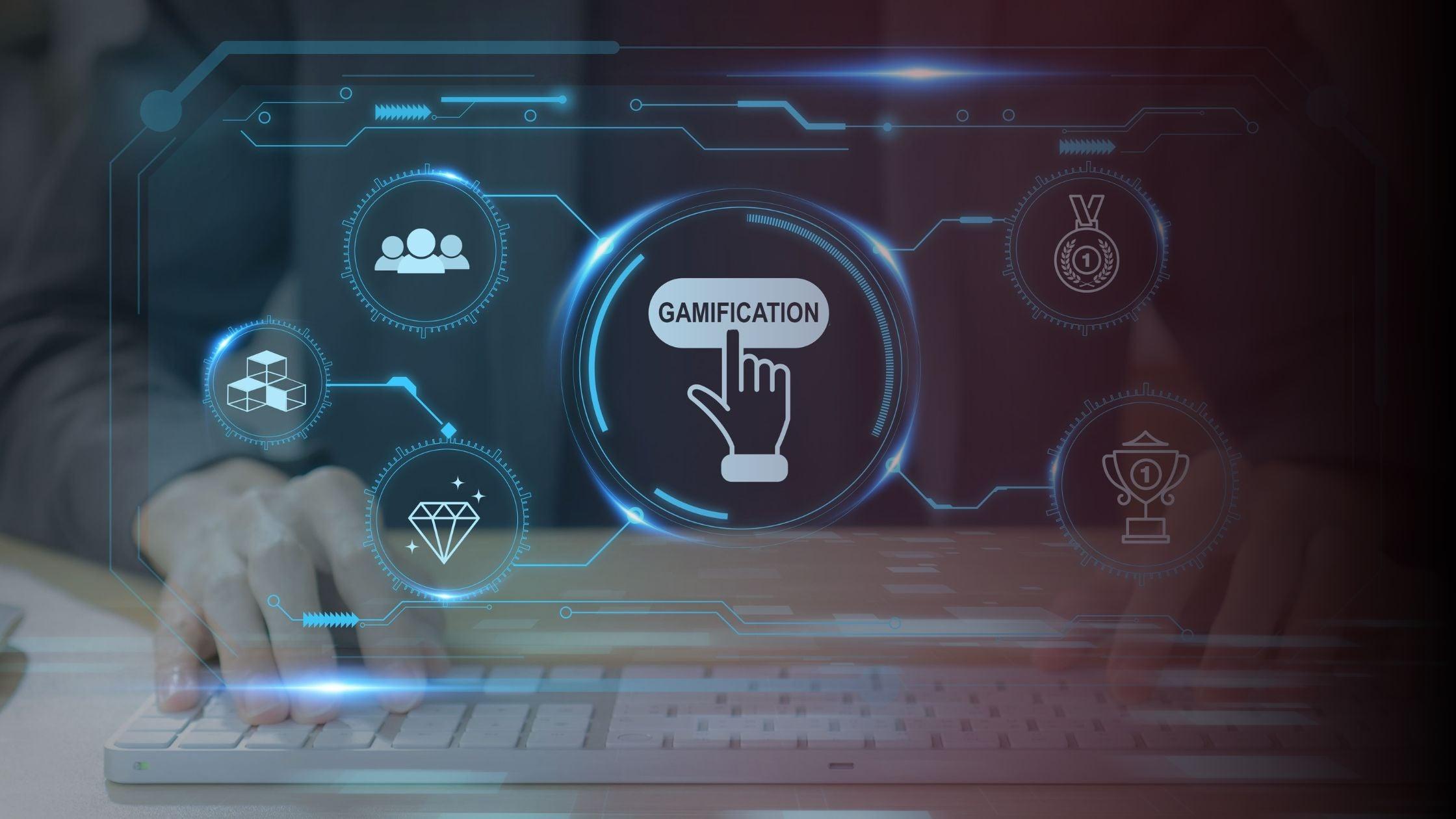
At its core, educational gamification involves applying game-design principles—such as points, badges, leaderboards, and challenges—to non-game contexts like classrooms or online courses. The goal is to boost motivation, increase participation, and make learning fun without sacrificing educational value.
- Definition: Submission of game mechanics in educational environments to enhance learning.
- Key elements: Points, badges, challenges, levels, rewards, storytelling, and feedback loops.
- Formats: Digital platforms, apps, board games, classroom activities, and more.
The Benefits of Gamification in Schools
Schools integrating gamified learning have observed tangible benefits across the academic spectrum. Here’s how gamification is making a difference:
- Increases Student engagement: Interactive elements maintain students’ attention and foster active participation.
- Promotes Mastery Through Feedback: Immediate feedback helps learners understand mistakes and progress at their own pace.
- Encourages Collaboration: Team challenges and multiplayer quests build social skills and encourage cooperative learning.
- Supports Personalized Learning: Adaptive gamification tailors content and challenges to individual needs, supporting differentiated instruction.
- Develops Critical Skills: Problem-solving, strategic thinking, and digital literacy are honed through immersive scenarios and puzzles.
- Makes Learning Enjoyable: Game mechanics transform routine tasks into exciting adventures, instilling a lifelong love for learning.
Practical Gamification Strategies for Educators
To maximize the impact of gamification in the classroom, educators should consider the following strategies:
- set Clear Goals: Define learning objectives and map game mechanics to these goals. For example, award points for creativity, collaboration, or problem-solving—not just correct answers.
- Incorporate Intrinsic and Extrinsic Rewards: Use badges and leaderboards for motivation, but also recognise intrinsic rewards like personal growth and mastery.
- Use Engaging Storytelling: contextualize lessons within captivating narratives to spark curiosity.
- Facilitate Choice: Provide multiple pathways or “quests,” allowing students to pursue interests and exercise agency.
- Utilize Technology: Harness apps, learning management systems, and game-based platforms to automate scoring, adapt content, and foster collaboration.
- Encourage reflection: after each gamified activity, prompt students to reflect on their learning process and outcomes.
Case Studies: Gamification Success Stories
1. Kahoot!: Game-Based Assessments in Real Time
Schools worldwide use Kahoot! to transform mundane quizzes into high-energy competitions. In Norway, such as, middle school teachers reported a 30% increase in participation rates and measurable improvements in concept retention after implementing weekly Kahoot games.
2.Classcraft: Building Classroom Culture
Classcraft uses RPG-style mechanics to encourage positive behavior and teamwork. Teachers in the U.S. credit Classcraft with reducing disciplinary incidents while fostering a collaborative classroom environment.
3. Minecraft: Education Edition – Creativity Meets Curriculum
In the U.K., educators leveraged Minecraft: Education edition to teach mathematics, history, and even computer coding. Students collaborated to build accurate models of ancient Rome, developing both creativity and subject knowledge in an engaging way.
“When I introduced gamified learning, my students went from passive listeners to keen participants. Gamification has become the secret ingredient in my educational toolkit.”
– Olivia Carter, 5th Grade Teacher, Sydney
educational gamification Beyond the Classroom
Gamification isn’t confined to K-12 education. It’s revolutionizing universities, professional training, language learning, and lifelong education.
- Higher Education: Universities use gamification to simulate real-world scenarios in business, medicine, and engineering courses, enhancing practical skills.
- Professional Growth: Corporations adopt game-based learning modules to upskill employees, improve knowledge retention, and foster healthy competition.
- Language Learning Apps: Duolingo gamifies vocabulary practice through streaks, XP, and amiable challenges, engaging millions of learners worldwide.
Emerging Trends: The future of Gamified Education
As educational technology (EdTech) evolves, so too does the future of gamification in education. Here are key trends shaping the landscape ahead:
- Adaptive Gamification: AI-driven platforms tailor challenges and feedback to individual learners, promoting personalized learning pathways.
- Immersive Technologies: Virtual reality (VR) and augmented reality (AR) bring interactive simulations and role-playing to life, deepening engagement.
- Cross-Curricular Gamification: Game-based techniques are merging subjects, encouraging holistic, interdisciplinary learning.
- Social Learning Networks: Gamification connects students globally, enabling collaborative problem-solving and peer-to-peer recognition.
- Data-Driven Insights: Analytics track progress and engagement, empowering educators to refine strategies for maximum impact.
Practical tips for Implementing Gamification
Ready to unlock the power of gamification in your classroom or educational program? Here are some actionable tips:
- Start Small: Introduce basic elements, such as point systems or team challenges, and gradually expand.
- Prioritize Learning Outcomes: Ensure game elements reinforce, not distract, from curricular objectives.
- Gather Student Feedback: Involve learners in the design process for greater buy-in and relevance.
- Stay Inclusive: Design gamified activities that cater to all learning styles and abilities.
- Use Technology Responsibly: Balance screen time and personalize digital vs. offline game mechanics.
Conclusion: Creating Engaged, Lifelong Learners
The future of educational gamification is bright, offering limitless potential to spark curiosity, deepen understanding, and equip students for success in an ever-changing world. By embracing gamification in schools, educators can create dynamic, personalized, and inclusive learning spaces—where every student is motivated to unlock their fullest potential.
As we look ahead, the fusion of technology and game-based learning ensures that education remains engaging, relevant, and transformative. are you ready to level up your learning journey?
Interested in harnessing the benefits of gamification in your school or training program? Subscribe to our newsletter or explore our latest resources for more insights on the future of education technology.