
Unlocking learning: The Psychology Behind Gamification in Education Explained
In the age of digital transformation, customary teaching methods are rapidly evolving. One trend revolutionizing classrooms worldwide is gamification in education. But what really makes game-based learning so effective? Join us as we delve into the psychology behind gamification, explore its benefits, and uncover practical tips for educators eager to harness its power.
Understanding Gamification in Education
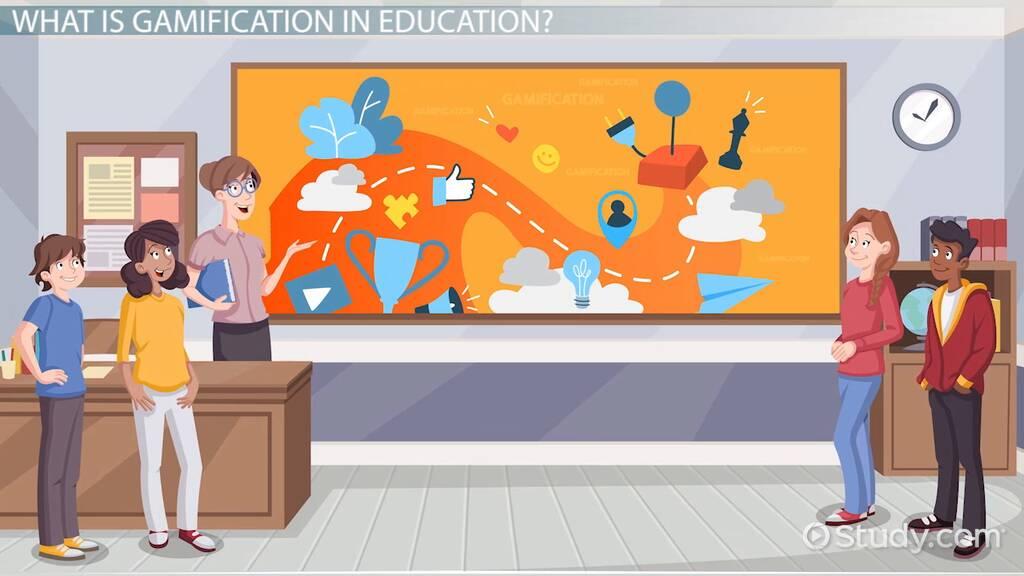
Gamification in education refers to applying game design elements—like points, badges, leaderboards, and missions—to non-game contexts such as classrooms, online courses, and training sessions. Unlike pure educational games, gamification enhances existing learning experiences by injecting them with game-based rewards and challenges.
- Points: Used to reward progress and positive behaviors.
- Badges: visual symbols of achievements to increase motivation.
- Leaderboards: Foster healthy competition among students.
- Challenges and Quests: Encourage problem-solving and exploration.
Harnessing these elements effectively helps educators create a more engaging and interactive learning environment.
The Psychology Behind Gamification: Why It Works
The effectiveness of gamification is no accident. It taps into fundamental psychological principles that drive human motivation and behavior.
1. Motivation and Reward Systems
Gamified environments activate the brain’s reward centers—releasing dopamine each time learners reach a goal or earn a badge. This biochemical response reinforces positive behaviors and fuels intrinsic motivation to keep learning and improving.
2. instant Feedback and Progress
Unlike traditional modes, gamification provides immediate feedback. This helps students quickly gauge their understanding, correct mistakes, and stay motivated.The visibility of progress—through points or levels—keeps students goal-oriented.
3. Autonomy and Personalization
Gamified learning frequently enough allows for choice and personalization. Students might select quests, influence their paths, or set their own goals, increasing their sense of ownership and engagement.
4. Mastery and Competence
Level-based progression and challenges enable students to work at their own pace, fostering a growth mindset. As they experience small wins,confidence and competence grow hand in hand.
Key Benefits of Gamification in Education
Integrating gamification into educational settings presents a wide range of advantages:
Engagement Boost
game-like features capture attention and reduce dropout rates, especially in digital learning environments.
improved Knowledge retention
Active participation and repeated tasks strengthen memory retention more than passive study.
Promotes Collaboration
Team quests and group challenges encourage dialog, problem-solving, and social skills.
Fosters a Growth Mindset
Students are motivated to try, fail, and try again—embracing challenges as opportunities to learn.
Real-World Case Studies: Gamification in Action
Duolingo: Language learning Reimagined
The language-learning app Duolingo is a standout example of gamification in education. By awarding points, streaks, and badges, it transforms repetition into an engaging journey. According to published research, users spend more time learning and are less likely to abandon the course.
Kahoot!: Game-Based Classroom Quizzes
Kahoot! is used in classrooms globally, turning formative assessments into exciting competitions.Teachers report increased participation and enjoyment, with students retaining concepts for longer periods.
Classcraft: Turning Classroom Management into an Adventure
Classcraft transforms behavior management by allowing students to earn points and unlock powers for good conduct and teamwork. The result? Improved classroom dynamics and a more supportive learning environment.
First-Hand Experiences: Educators’ and Students’ Perspectives
“After introducing game-like elements to my math lessons, I noticed even my most reluctant students grew eager. They started collaborating more and celebrated each other’s progress.”—Sarah, Middle School Teacher
Students echo similar sentiments:
- “Getting badges made math feel like a real-life quest!”
- “It’s fun to see my score go up—makes me want to beat my high score.”
- “I love competing with my friends to see who tops the leaderboard.”
First-hand experiences underline the positive impact of gamification on motivation, collaboration, and classroom morale.
How to Implement Gamification: Practical Tips for Educators
Wondering how to integrate gamification in education without making it overwhelming? Here are actionable tips:
- Start Small: Begin by gamifying one aspect—like quizzes, homework, or classroom participation.
- Choose Reward Systems Wisely: Points, badges, or privileges should reinforce desired behaviors and be achievable.
- Encourage Collaboration: Use team challenges to promote teamwork and a sense of community.
- Mix Digital and Physical: Gamification isn’t just online; sticker charts and classroom currency work wonders too.
- Collect Feedback: Involve students, gather feedback, and iterate on what works best for your unique classroom dynamics.
remember, the key is to ensure the learning objectives remain at the core while the gamified elements serve as motivational boosters.
common Challenges and Solutions
While gamification offers many benefits, educators might encounter certain hurdles:
- Overemphasis on Competition: Healthy rivalry is great, but ensure struggling students aren’t discouraged—balance individual and team achievements.
- Superficial Rewards: Avoid focusing solely on badges or points. Use them to reinforce meaningful learning,not just participation.
- Resource Constraints: Lack of access to technology can be a barrier—be creative with analog gamification!
Sensitive and thoughtful implementation helps maximize the benefits while minimizing pitfalls.
Conclusion: The Future of Gamified Learning
Gamification in education goes far beyond making lessons “fun.” By aligning with the psychology of motivation, engagement, and achievement, it unlocks doors to deeper, more effective learning experiences. Whether you’re an educator looking to inspire or a student eager to level up your education, embracing gamification—backed by science and psychology—is a game-changer.
Ready to start your own gamified learning journey? Begin with small steps, stay student-centered, and keep unlocking new levels of understanding with each lesson!
Keywords: Gamification in education, psychology of gamification, game-based learning, student engagement, classroom motivation