
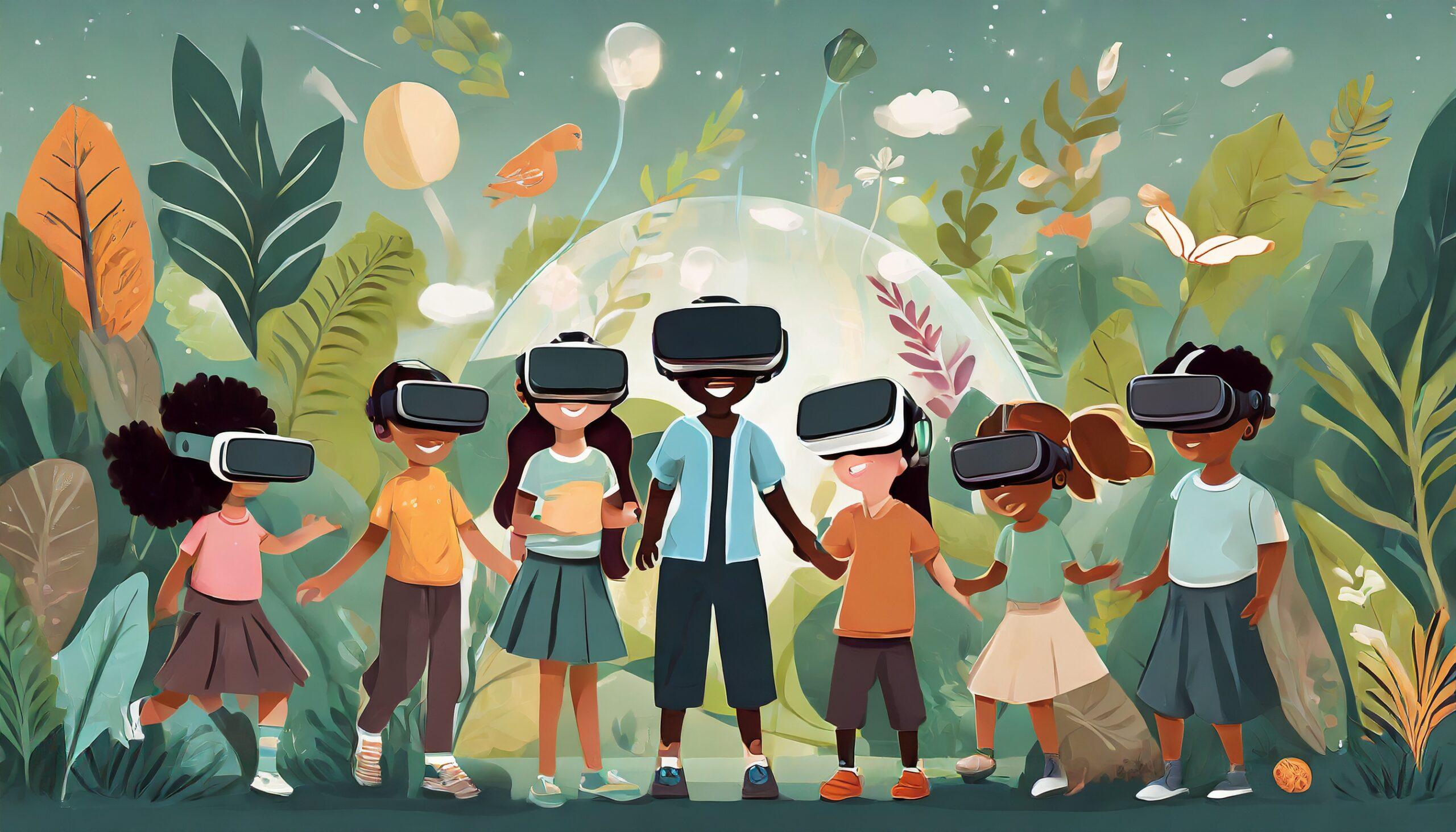
Unlocking Learning with Virtual Field Trips: Explore the World from Your Classroom
In today’s increasingly digital world, education is undergoing an exciting transformation. One of the most innovative trends in modern teaching is the rise of virtual field trips,which let students explore the world from the comfort of their classroom. By using technology to bridge geographical gaps, teachers can offer immersive educational experiences that were once unimaginable.In this article, we’ll dive deep into what virtual field trips are, their benefits, practical strategies for maximizing engagement, and real-life examples of their impact.
whether you’re a teacher, school administrator, or parent, learn how this creative learning tool can unlock new possibilities for students everywhere.
What Are Virtual Field Trips?
A virtual field trip is an online exploration experience that allows students to visit destinations they might never be able to see in person. Leveraging technologies such as 360-degree video, live streaming, interactive maps, and virtual reality, virtual field trips take learners beyond the classroom walls. Students can visit past landmarks, famous museums, remote natural wonders, and even outer space—all without leaving their desks.
- Virtual tours of museums and galleries
- Interactive online simulations of science experiments
- Live Q&A sessions with scientists, historians, or artists
- 360-degree panoramic views of world landmarks
- Explorations of ecosystems and environments in real time
Benefits of Virtual Field Trips in Education
Incorporating virtual field trips in the classroom offers a unique blend of learning advantages for students and educators alike. Here’s why they are quickly becoming a staple in progressive education:
1. Accessibility for All Students
- Geographical Barriers Removed: Virtual trips make it possible for any class,irrespective of location or budget,to visit sites around the globe—from the Great Barrier Reef to the Louvre.
- Inclusion: Students with physical challenges, limited resources, or other barriers can participate equally in educational adventures.
2. enhanced Engagement & Interactivity
- Immersive experiences: 360-degree visuals, interactive quizzes, and real-time chats with experts make learning more memorable and fun.
- Sparking curiosity: Virtual field trips can inspire a sense of wonder and stimulate question-driven learning.
3.Curriculum Integration
- Dynamic resources: Teachers can align virtual tours with science, history, geography, and even language arts units.
- Flexible scheduling: Unlike traditional field trips, virtual experiences can be paused, revisited, and explored at a pace that suits the class.
4. Cost and Safety
- Budget-friendly: Eliminate the costs associated with travel, lodging, and supervision.
- Peace of mind: Students remain safe in their familiar classroom habitat or at home.
Popular Tools and Platforms for Virtual Field Trips
A wide variety of platforms offer virtual field trip experiences for classrooms. Whether you’re seeking free resources or in-depth guided explorations,these are some of the most popular and trusted options:
- Google Arts & Culture: Offers hundreds of virtual museum tours,heritage sites,and cultural artifacts.
- Discovery Education: Features interactive field trips with lesson plans, digital activities, and live broadcasts.
- National Geographic Explorer Classroom: Connects students with real scientists, explorers, and conservationists through live events.
- Mystery Science: Provides virtual science lessons and interactive exploration opportunities.
- ZeeMaps, expeditionspro, Nearpod VR: Engage students with 360-degree tours and customizable learning paths.
- Smithsonian National Museum of Natural History: Enables self-guided, room-by-room explorations in 3D.
How to make the Most of Virtual Field Trips: Practical Tips
To fully unlock the potential of virtual field trips for learning,it’s crucial to approach them with planning and creativity. Here are some tried-and-true strategies for engaging students and maximizing learning outcomes:
Pre-Trip Preparation
- Connect to Curriculum: Choose field trips that align with your current topics and learning objectives.
- Set the Stage: Introduce the destination with a class discussion or preview video, and encourage students to ask questions they’d like answered.
- Prepare Materials: Create worksheets, scavenger hunts, or guided note-taking templates for students to use during the trip.
During the Virtual Field Trip
- Promote Active Participation: Encourage note-taking, sketching, or ongoing Q&A while exploring the site.
- Interact with Guides or Hosts: If a live component is available, allow students to submit questions or interact with presenters.
- Pause and Discuss: Take breaks to discuss what students are observing and link new details back to prior knowledge.
Post-Trip Reflection and Extension
- Reflection Activities: Ask students to write about what surprised them, what they’d like to know more about, or how the experience connects to their own lives.
- Creative Projects: Have students present posters, digital slideshows, or reports to share newfound knowledge.
- Real-World Application: Encourage students to design their own virtual field trip or research additional destinations.
Case Study: Bringing the Amazon Rainforest to Life
Consider a fifth-grade classroom learning about ecosystems. A virtual field trip to the Amazon Rainforest through National Geographic’s Explorer Classroom transformed abstract textbook concepts into vivid realities. Students met live with a researcher, observed unique plants and animals via streaming video, and asked questions about conservation efforts—all in real time.
- Impact: Attendance and participation spiked.Students were able to draw parallels to local environmental issues and brainstorm community projects.
- feedback: “I never thought I could visit the Amazon Rainforest from my classroom,” said one student,“but I felt like I was actually ther!”
Overcoming Common Challenges
While virtual field trips present many advantages,educators may face challenges such as:
- Technical Issues: Plan ahead by testing connections and platforms. Prepare backup activities in case of internet outages.
- Student Engagement: Use interactive features and small group discussions to keep students focused.
- Screen Fatigue: Break up longer trips into shorter sessions, interspersed with hands-on or offline activities.
first-Hand Experience: Teacher Testimonials
Teachers around the world are sharing positive experiences after introducing virtual field trips to the classroom:
“Our virtual visit to Ancient Greece not only captivated our history buffs, but also got our art and mythology enthusiasts excited about cross-curricular connections.”
– Mrs. Johnson, 7th Grade Teacher
“Students loved the live interaction with marine biologists during our coral reef excursion.The Q&A session was a huge hit!”
– Mr. Lee, Science Department Head
Conclusion: Broadening Horizons with Virtual Exploration
The ability to explore the world from your classroom is no longer the stuff of science fiction. Through virtual field trips, students can immerse themselves in diverse cultures, witness natural wonders, and engage with subject-matter experts from every corner of the globe. These innovative experiences not only break down barriers but also enhance engagement,curiosity,and a lifelong love of learning.
whether you’re looking for new ways to enrich your curriculum, overcome logistical challenges, or simply inspire your students to dream bigger, virtual field trips offer a gateway to endless discovery.
Start your voyage today—because the journey of learning has never been more accessible or exciting.