
unlocking Lifelong Learning: The Crucial Role of MOOCs in Education Today
In our rapidly evolving digital age, the pursuit of knowledge never truly ends. Whether you’re a working professional, a student, or simply a curious mind, staying ahead frequently enough means continuously updating your skills. this is where MOOCs (Massive Open Online Courses) have emerged as a game-changer, offering flexible, accessible, and high-quality education to learners worldwide. In this article, we explore the pivotal role of MOOCs in supporting lifelong learning, examine their key benefits, and provide practical tips for making the most out of your online education journey.
What are MOOCs and Why Do They matter?
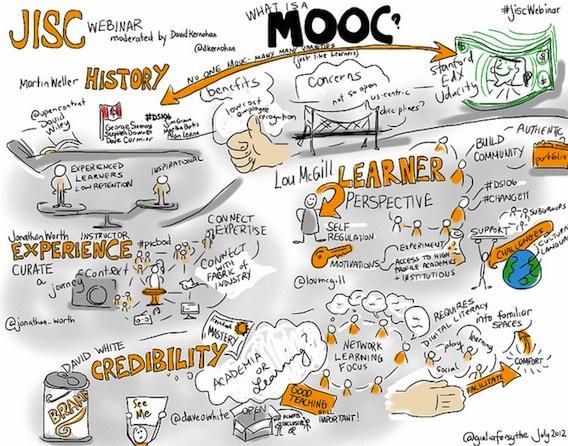
MOOCs, or Massive Open Online Courses, are online courses designed for large-scale participation and open access via the internet. Developed by top universities and expert instructors, moocs typically cover a wide array of subjects—from computer science and artificial intelligence to humanities, business, and personal development.
- Accessible to all: Most moocs are free or affordable,removing traditional financial and geographic barriers.
- Flexible learning: Learners can study at their own pace,fitting education around work,family,and other commitments.
- Quality content: Many courses are created by renowned institutions like MIT, Harvard, and Stanford, ensuring up-to-date and reputable instruction.
These aspects make MOOCs a cornerstone of lifelong learning in the 21st century.
The Benefits of MOOCs for Lifelong Learning
the global adoption of moocs has unlocked transformative benefits for learners of all backgrounds and ages. Let’s break down the crucial advantages:
1. Global Accessibility and Inclusion
- Bridging educational gaps: MOOCs enable students from remote or underserved regions to access world-class education.
- Diversity of perspectives: International forums and discussion groups allow exposure to different cultures and ideas.
2. Personalized and Flexible learning Paths
- Self-paced courses: Students can start, pause, and resume learning at their convenience.
- Customizable curricula: Learners can choose specific topics relevant to their needs and career goals.
3. Professional Skill Development and Career Advancement
- Industry-aligned content: Courses are frequently updated to reflect the latest trends and technologies.
- certified credentials: Many MOOCs offer certificates and micro-credentials that enhance employability and resume strength.
4. Affordable and Scalable Education
- Lower costs than traditional education: most MOOCs are free,and paid certificates are generally affordable.
- Unlimited scalability: Course access is not restricted by classroom size or educator availability.
How MOOCs are Transforming Traditional Education
The influence of MOOCs extends beyond individual learners. They are reshaping how educational institutions and employers view learning:
- Blended learning models: Many universities now integrate MOOCs into traditional degree programs, offering a hybrid campus-online experience.
- Corporate training: Organizations use MOOCs for employee upskilling and leadership development.
- Micro-credentials and digital badges: Short, skills-based courses are increasingly recognized by employers as proof of expertise.
Success Stories: Lifelong Learners Achieving Their Goals with MOOCs
To highlight the real-world impact of MOOCs,let’s look at a few inspiring examples:
- Career Changer: Sara,a former school teacher in India,completed a series of data science MOOCs on Coursera and landed a remote analytics role with a global tech company within a year.
- Entrepreneur: Martin, based in Kenya, used free entrepreneurship MOOCs from edX to launch his own digital business after high school.
- Lifelong Learner: Linda, a retiree in the United States, enrolled in literature and art history MOOCs on FutureLearn to deepen her personal knowledge and find new communities of interest.
These cases illustrate how the accessibility and breadth of MOOCs support vastly different learning objectives and life stages.
Tips for Making the Most Out of MOOCs
Eager to harness the power of online education to fuel your lifelong learning? Here are some practical strategies:
- Set clear goals: Define what you want to achieve before enrolling in a MOOC—career advancement, intellectual curiosity, or specific skills?
- Engage actively: Participate in discussion forums, quizzes, and peer reviews to maximize understanding and network with fellow learners.
- Schedule regular study time: Consistency is key. Dedicate specific blocks of time each week to complete lessons and assignments.
- Apply what you learn: Incorporate new knowledge directly into your work, projects, or daily life to cement your understanding.
- Leverage certificates: Add earned MOOC certificates and micro-credentials to your LinkedIn profile or resume.
Recommended MOOC Platforms for Lifelong Learners
Not sure where to start? Here are some top-rated MOOC providers trusted by millions of learners globally:
- Coursera: Courses from leading universities and top companies
- edX: High-quality university courses and micro-degrees
- Udemy: Wide variety of practical, skills-focused courses
- FutureLearn: Interactive courses from UK and international universities
- Udacity: Specialized nanodegree programs in tech fields
Conclusion: Embracing Lifelong Learning with MOOCs
As education continually adapts to technological advancements and changing workforce demands, moocs stand at the heart of an educational revolution.
They break down traditional barriers, democratize access to world-class knowledge, and empower individuals everywhere to become lifelong learners. By leveraging the versatility, affordability, and credibility of MOOCs, anyone can future-proof their career, enrich their personal growth, and make meaningful contributions to society.
Why wait? Start your lifelong learning journey today with a MOOC that inspires you—and unlock a world of possibility along the way.