
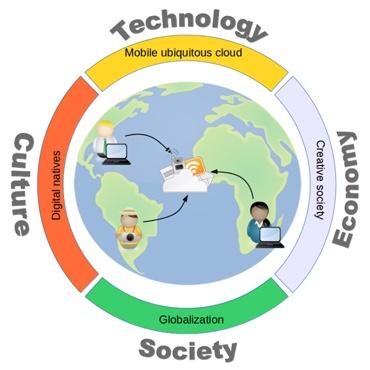
Unlocking lifelong learning: The Impact and Benefits of MOOCs
MOOCs (Massive Open Online Courses) have revolutionized education—making knowledge, skills, and growth accessible to everyone with an internet connection. Today,lifelong learning has become more critically important than ever,with rapid technological changes and evolving job markets. In this article, we’ll explore the transformative impact of MOOCs on lifelong learning, thier key benefits, real-world case studies, and practical tips to get the most from your online education journey.
What Are MOOCs?
MOOCs,or Massive Open online Courses,are online educational programs designed to be accessible to a large audience,often for free or at minimal cost. These courses are usually offered by renowned universities, industry leaders, and educational platforms like Coursera, edX, Udemy, and FutureLearn. They cover diverse subjects—from data science and programming to art history and creative writing.
- accessibility: Anyone with an internet connection can enroll.
- Flexibility: Learn at your own pace, anywhere and anytime.
- scalability: Thousands to millions of learners in a single course.
The Impact of MOOCs on Lifelong Learning
MOOCs play a pivotal role in democratizing education globally. Here are some of the ways they’re transforming lifelong learning:
- Bridging the Education Gap: Access world-class education nonetheless of location,background,or economic status.
- Supporting Career Mobility: Acquire new skills or certifications to transition into new roles or industries.
- Empowering Self-Directed Learners: Take control of your own learning pace, priorities, and subjects of interest.
- Keeping Up with industry Changes: Stay updated with evolving technologies and best practices in your field.
- Building Community: MOOC platforms often provide opportunities for networking, collaborative learning, and peer interaction through forums and group projects.
Benefits of MOOCs for Lifelong Learners
Whether you’re upskilling, reskilling, or learning for personal enrichment, MOOCs offer a variety of advantages:
1. Affordable and Flexible Learning Options
- No geographic barriers: Study from anywhere in the world.
- Low or zero cost: Many MOOCs are free; paid options frequently enough provide certification.
- Self-paced study: Learn at a speed that suits your schedule.
2.Access to World-Class Instructors and Content
- Courses from prestigious institutions like harvard, MIT, and Google.
- Expertise from industry leaders and academics.
3. Diverse Course Offerings
- Topics ranging from computer science and engineering to arts, philosophy, and healthcare.
- specialized micro-credentials, professional certificates, and even full online degrees.
4. Support for Professional Development
- Certifications to boost your resume.
- Hands-on projects and real-world case studies enhance job readiness.
5. Networking and Global Community
- Discussion boards, peer assessments, and group projects foster a sense of community.
- Connect with learners and experts from around the world.
Real-Life Case Studies: How MOOCs Change Lives
Here are some inspiring real-world stories illustrating the profound impact of MOOCs on lifelong learning:
Meet Maria: Career Change Through MOOCs
Maria, a civil engineer from Brazil, wanted to switch to data science.Through MOOCs on platforms like Coursera and DataCamp, she learned Python, machine learning, and data visualization. After earning certificates and completing practical projects, Maria successfully transitioned to a data analyst role at a multinational company—all without leaving her hometown.
Empowering Educators in Remote Regions
In Northern India, teachers used MOOCs to integrate digital literacy and new teaching methodologies into their classrooms. With limited local training opportunities, online courses—from leading universities—helped them update their skills, ultimately improving student outcomes and community development.
Continuous Learning for Professionals
John, an IT consultant in the UK, regularly enrolls in MOOCs to keep up with emerging technologies. By completing micro-credential programs in cloud computing and cybersecurity, he stays competitive and relevant in the fast-paced tech industry, securing promotions and new client contracts.
Practical Tips to Maximize Your MOOC Experience
MOOCs provide immense value, but self-discipline and the right strategies can help you get the most from the experience. Here are some tried-and-true tips:
- Set clear goals: Define what you want to achieve—whether it’s a certificate, new skill, or personal knowledge.
- Choose the right course: Pay attention to course reviews, syllabus details, and prerequisites.
- Schedule regular study time: Block off weekly slots for lectures, assignments, and reflection.
- Participate actively: Engage in forums, share insights, and ask questions for deeper understanding.
- Apply your knowledge: Work on hands-on projects or real-life problems related to your field.
- connect with peers: Join study groups for motivation and support.
- Follow through: Complete assignments and all course requirements to earn certification if desired.
Comparing Top MOOC Platforms
Several MOOC platforms have emerged as leaders. Here’s a brief overview to help you choose the right one:
| Platform | Key Features | Popular Courses |
|---|---|---|
| Coursera | university partnerships, industry certifications, degrees, hands-on projects | Google IT Support, Python for Everybody |
| edX | Academic courses, online degrees, MicroMasters, professional certificates | CS50,Data Science MicroMasters |
| Udemy | Wide array of affordable,practical courses,lifetime access | Web Development Bootcamp,Excel for Beginners |
| FutureLearn | University and industry partners, short courses, microcredentials | Digital skills, Healthcare courses |
Overcoming Challenges in the MOOC Journey
while MOOCs offer tremendous benefits, learners may encounter some challenges:
- motivation and self-discipline: Without a conventional classroom, it’s easy to lose momentum. Set reminders and celebrate milestones.
- Course overload: With so many choices, it can be overwhelming. Start with one or two focused courses and gradually expand.
- Lack of personalized feedback: Some MOOCs rely on peer grading or automated assessments. Engage in discussions to clarify doubts.
- recognition of certificates: Not all employers value MOOC certificates equally. Focus on gaining real skills and demonstrate them through projects or portfolios.
Conclusion: MOOCs as Gateways to Lifelong Learning
In a constantly changing world, lifelong learning is more than a buzzword—it’s a necessity. MOOCs empower learners everywhere to pursue new knowledge, transition careers, and stay ahead in their fields. Their flexibility, accessibility, and diverse offerings make them a powerful tool for both personal and professional growth.
Whether you’re aiming for a promotion, changing careers, or simply want to expand your horizons, MOOCs make education truly lifelong and open to all. Start your journey today and embrace a future where learning never stops.