
Unlocking Lifelong Learning: The Impact and Role of MOOCs in Continuing Education
In today’s rapidly evolving world, the ability to continuously learn and adapt is more crucial than ever. Lifelong learning has become a necessity as industries transform and new technologies emerge. One of the most significant revolutions in continuing education is the widespread adoption of Massive Open Online Courses (MOOCs). This article explores how MOOCs are unlocking new pathways for lifelong learners, reshaping professional growth, and providing accessible, high-quality education to millions worldwide.
What Are MOOCs? A Brief Overview
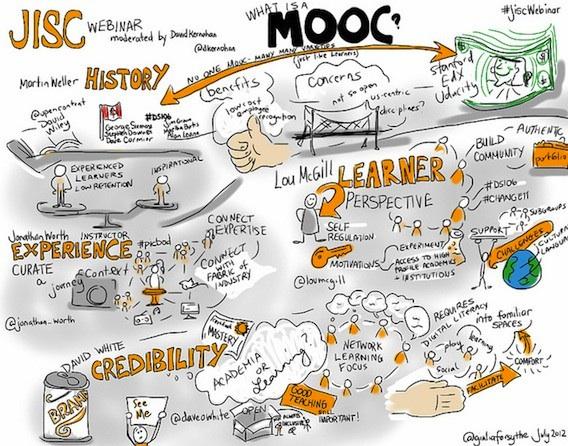
MOOCs, or Massive Open Online Courses, are online courses designed for unlimited participation and open access via the internet. Pioneered by leading institutions such as MIT, harvard, and Stanford, MOOC platforms offer a diverse array of courses ranging from technology and business to arts and humanities. Platforms like Coursera, edX, and Udemy have made world-class learning resources available to anyone with an internet connection.
- Open Access: Most MOOCs offer free enrollment, with optional paid certificates for verified completion.
- Flexible Learning: Courses are self-paced or have flexible schedules, enabling learners to study at their own convenience.
- Global Community: MOOCs bring together diverse learners from around the world, fostering collaboration and networking.
The Importance of Lifelong learning in the Digital Age
Globalization, automation, and the rise of artificial intelligence are reshaping job markets. Traditional degrees, while crucial, are often not enough to stay relevant.Continuing education through MOOCs empowers professionals and individuals to upskill, reskill, and adapt to changing demands:
- Stay Competitive: Keep skills current in rapidly-evolving fields such as data science, cybersecurity, and digital marketing.
- Career Advancement: Acquire new expertise to qualify for promotions or pivot to entirely new roles.
- Personal Growth: Engage in intellectual enrichment and lifelong curiosity beyond workplace requirements.
- Accessibility: Break down geographical and financial barriers to high-quality education.
The Impact of moocs on Continuing Education
The proliferation of moocs has dramatically broadened access to continuing education and fostered a culture of lifelong learning. Here’s how these platforms have transformed the educational landscape:
1. Democratizing Access to Education
MOOCs eliminate traditional barriers such as location, cost, and rigid schedules. Learners in remote areas or with full-time jobs can now access Ivy League-caliber courses. Consequently, education is no longer confined to formal institutions or the privileged few.
2. Customizable and Modular Learning
The modular nature of MOOC courses allows individuals to construct their own learning pathways. Whether someone needs a single skill or a comprehensive specialization, MOOCs deliver tailored solutions.
For instance, platforms offer micro-credentials, professional certificates, and nanodegrees that emphasize practical, job-ready skills.
3. Scalability and Social Learning
MOOCs can scale to tens of thousands of learners per course. Forums, peer reviews, and interactive assignments create dynamic opportunities for social learning.This scalability fosters diversity of opinion, enhances problem-solving, and strengthens global professional networks.
4. Bridging the Skills Gap
In collaboration with top universities and industry leaders, MOOC providers offer curriculum aligned with current labor market needs. Companies like Google, IBM, and Microsoft develop MOOCs to upskill their workforce and to help job seekers acquire vital digital skills.
Benefits of MOOCs in Lifelong Learning
Why choose MOOCs as your platform for lifelong learning and continuing education?
- Versatility: Learn anywhere, anytime, at your own pace.
- Affordability: Audit courses for free or pursue low-cost certification options.
- Relevance: Access current, industry-aligned content updated regularly by leading educators and organizations.
- Recognition: Earn digital certificates and badges that can be shared on LinkedIn or included in professional portfolios.
- Diversity: Explore thousands of subjects, from technical skills to soft skills, personal development to academic research.
- Support: Online forums and peer interactions can provide guidance and motivation throughout your learning journey.
Practical Tips for Making the Most of MOOCs
- Define Your Learning Goals: Set specific,achievable objectives before enrolling. Are you seeking a promotion, a career shift, or personal enrichment?
- Research Platform credibility: Stick with established platforms (Coursera, edX, FutureLearn, udacity) for reputable courses and recognized certificates.
- Read Course Reviews: Check learner feedback for insights into course quality and instructor effectiveness.
- Commit to a Study Routine: Allocate consistent time each week, treating your MOOC like a real class.
- Engage with Peers: Participate in discussions, peer assessments, and group projects to deepen understanding and expand your network.
- Apply What You Learn: Implement knowledge through hands-on projects or real-world applications for long-term retention.
Case Studies: Real-World Impact of MOOCs
1. Career Change
priya, an accountant from India, leveraged MOOC courses in data analytics from Coursera to shift into a business analytics role. After earning a Professional Certificate from Google, she landed a new job with a 40% salary increase.
2. Organizational Upskilling
A global IT firm partnered with edX to reskill 1,500 employees in cybersecurity over six months,leading to improved performance and internal promotions.
3. Personal Enrichment
James, a retiree in the United States, took dozens of MOOCs in literature and ideology, rekindling his passion for learning and connecting with a global community of like-minded learners.
First-Hand Experience: From a Learner’s Viewpoint
“I started with a free MOOC in coding on edX, wich opened the doors to a whole new career path for me. The flexibility to learn after work and the immediate feedback from quizzes and programming assignments kept me motivated. The certificate I received was recognized by my employer and played a key role in my transition to a software developer role.”
– Sarah, MOOC Learner and Career Changer
The Future of MOOCs in Continuing Education
MOOCs continue to evolve, promising even greater impact on continuing education through innovations like adaptive learning, AI-driven personalization, virtual reality classrooms, and advanced analytics. Universities and employers are increasingly recognizing MOOC certifications, and partnerships between industries and MOOC providers will further close the gap between formal education and workplace requirements.
Conclusion: Embrace the Power of MOOCs for Lifelong Learning
Unlocking lifelong learning is no longer a distant dream; it’s a practical reality thanks to the transformative role of MOOCs in continuing education. Whether you’re seeking to advance your career, pursue new passions, or simply stay curious, massive open online courses offer the key to continuous growth and success. Embrace the flexible, accessible, and diverse world of MOOCs—and take charge of your learning journey today.