
Unlocking Lifelong Learning: The Impact and Role of MOOCs in Continuous Education
In the fast-evolving landscape of education, the desire too keep learning does not end with the classroom. Whether you are aiming to advance your career, pivot to a new field, or nurture personal interests, lifelong learning is more crucial than ever. Massive open Online Courses, commonly known as MOOCs, have revolutionized the way we access knowledge and skills throughout life. In this article, we will explore the impact of MOOCs on continuous education, their benefits, and how you can leverage them for personal and professional advancement.
what Are MOOCs?
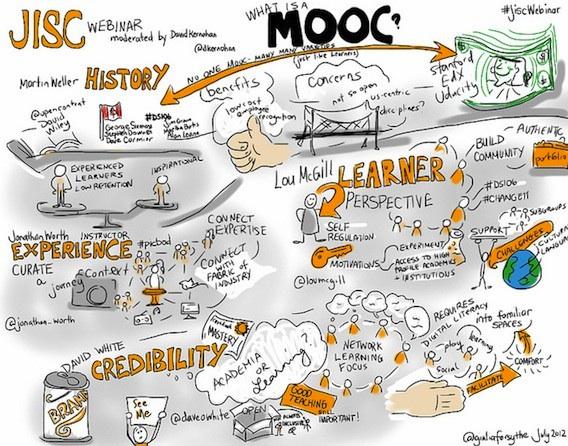
moocs (Massive Open Online Courses) are online educational programs designed to be accessible to anyone, anywhere, with an Internet connection. Offered by leading universities and institutions, MOOCs often include video lectures, readings, assignments, and interactive forums.
- Massive: Courses are open to thousands of participants globally.
- Open: Generally available for free or at a low cost, without stringent prerequisite requirements.
- Online: Learning is entirely web-based and flexible.
- Courses: Structured modules led by renowned educators, industry experts, or respected universities.
Leading MOOC platforms like Coursera, edX, Udemy, and FutureLearn host thousands of courses covering diverse subjects—technology, finance, humanities, data science, business, and more.
The Role of MOOCs in Continuous Education
Continuous education or lifelong learning is no longer a luxury but a necessity in today’s knowledge-based world. Here’s how MOOCs are shaping the future of ongoing education:
1. Flexible Learning Opportunities
- MOOCs allow learners to study at their own pace, making it ideal for full-time employees, parents, and other busy individuals.
- Courses can be accessed at any time and from any location, breaking geographical and time barriers.
2. Up-to-Date Content
- Courses are regularly updated to reflect current trends and advancements in each field.
- Industry experts contribute, ensuring learners have access to relevant and practical knowledge.
3. democratizing Access to World-Class Education
- Open enrollment—no stringent entry requirements, making high-quality education accessible to all.
- Affordable pricing and flexible payment options lower financial barriers.
4. Fostering Skill Development and Career Advancement
- MOOCs bridge the gap between traditional education and the skills needed in the modern workforce.
- Professional certificates and micro-credentials offer tangible proof of expertise for career progression.
Benefits of MOOCs for Lifelong Learners
Embracing MOOCs as a core part of your lifelong learning strategy offers numerous unique benefits. Here are some compelling reasons to enroll:
- Personalized Learning: Choose courses that align precisely with your interests, career goals, or knowledge gaps.
- Networking Opportunities: MOOCs often incorporate forums or group projects,facilitating peer interaction and mentorship.
- Low Financial Risk: Most MOOCs are free to audit,so you can explore new subjects without upfront commitment.
- Recognition and Certification: Many MOOCs offer verified certificates or even pathway degrees recognized by employers.
- Global Outlook: Study alongside learners from around the world, gaining diverse viewpoints and cultural insights.
- Technology-Driven Approach: experience innovative online learning tools—interactive assessments, simulations, AI tutors, and more.
Practical Tips for Maximizing MOOCs in Continuous Education
To unlock the full potential of MOOCs for lifelong learning, consider these practical strategies:
- Set Clear Goals: Define what you want to achieve from each course—job skills, a professional certificate, or personal knowledge.
- Create a Study Schedule: Allocate regular time for learning and stick to it, treating the course with the same respect as a traditional class.
- Engage with the Community: Participate in discussion boards and group assignments to deepen understanding and motivation.
- Apply Knowledge promptly: Use what you learn in real-life projects or workplaces to reinforce skills.
- Track Your Progress: Monitor your learning journey using built-in platform tools or third-party apps for accountability.
- Don’t Hesitate to Explore: Feel free to sample different subjects or courses; the versatility of MOOCs means you can learn broadly without major risk.
Case Studies: Real Stories of Lifelong Learning through MOOCs
Case Study 1: Career Change via MOOCs
Maria, 32 — Philippines
Maria, a marketing professional, wanted to transition into digital product management. She enrolled in a series of MOOCs on Coursera and edX, earning certificates in Agile development and UX design. Within a year, she landed a new job as a product manager in a tech startup, crediting her MOOC-driven self-education for her successful move.
Case Study 2: Personal Enrichment in Retirement
George,67 — United Kingdom
After retiring,George turned to MOOCs to pursue his lifelong dream of studying history. He completed over 20 history courses and regularly participates in online forum discussions, making new friends and keeping his mind active and sharp.
Case Study 3: Upskilling While Working Full Time
Ananya,28 — India
As an IT analyst,Ananya needed new programming skills to qualify for a promotion. She took specialized MOOCs in Python and machine learning on Udemy and DataCamp, using her evenings and weekends.The result? She successfully earned a promotion three months after completing her courses.
The Future of MOOCs and Continuous education
As technology continues to evolve, MOOCs are only expected to become more integral to lifelong learning and professional training. Trends to watch for include:
- Microcredentials & Stackable Learning: Modular certificates that build towards degrees and long-term upskilling.
- AI-Powered Personalized Learning: Enhanced experiences and customized course recommendations.
- Partnerships with Employers: Companies using MOOCs for workforce training and credentialing.
- Increased Accessibility: Initiatives to offer MOOCs in multiple languages and formats to reach underserved communities worldwide.
In the broader vision of education, MOOCs stand at the forefront of accessible, effective, and lifelong learning.
Conclusion: Embrace Lifelong Learning with MOOCs
Lifelong learning is a journey that enriches both our professional capabilities and personal satisfaction. MOOCs have unlocked a world of knowledge for millions, making continuous education more accessible and effective than ever. By leveraging the flexibility and diversity of MOOCs,individuals of all ages and backgrounds can future-proof their skills,pursue passions,and stay connected with the ever-changing world.
ready to start your journey? Explore the vast universe of MOOC platforms—your adventure in lifelong learning awaits!