
Unlocking Microlearning: How Bite-Sized Training Meets the Modern Learner’s Needs
In today’s fast-paced digital world, customary hour-long training sessions are falling short of modern expectations. Employees demand learning solutions that are accessible, efficient, and engaging. Enter microlearning: a revolution in workplace training that transforms how knowledge is acquired and retained. In this article, we’ll unlock the secrets of microlearning, highlight its core benefits, explore real-world case studies, and share practical tips to help you launch your own bite-sized training initiatives.
What is Microlearning?
Microlearning is a learner-centric approach that delivers short, focused bursts of training content, typically lasting between 2–10 minutes. Rather of sitting through lengthy courses,learners digest information in small,manageable pieces—maximizing engagement and knowledge retention. Common formats include:
- Short videos or animations
- Interactive quizzes
- Infographics and job aids
- Podcasts or audio snippets
- Flashcards for speedy reviews
Microlearning modules are commonly mobile-amiable, on-demand, and personalized to meet the unique needs of the modern learner.
Why Does Microlearning Matter Today?
the workplace is rapidly evolving, with new technologies, remote teams, and shifting priorities. Modern learners face busy schedules, information overload, and diverse learning needs. Microlearning is a natural fit because:
- Time Efficiency: Short modules fit easily into busy workdays.
- Just-In-Time Learning: Employees access knowledge when and where they need it moast.
- Improved Retention: Breaking content into bite-sized pieces helps solidify long-term memory.
- Mobile Compatibility: Learning on the go is seamless, whether in the office or remote.
- High Engagement: Interactive, relevant content holds attention better than lengthy lectures.
Key benefits of Microlearning for Training and development
Organizations adopting microlearning reap a range of measurable advantages:
- Faster Course Production: Micro-courses are typically easier and quicker to create and update than traditional training.
- Scalable and Flexible: Ideal for onboarding, compliance, product updates, or soft-skills training.
- Cost-Effective: Reduced development and delivery costs help maximize training ROI.
- Personalized learning paths: Tailor microlearning modules to specific roles, skill levels, or learning preferences.
- Data-Driven Insights: Track learner progress, completion rates, and knowledge gaps with precision.
- Social Learning: Microlearning often leverages peer sharing, forums, and collaborative activities.
Microlearning in Action: Real-World success Stories
Leading companies across the globe have embraced microlearning to enhance employee training and drive better business results. Explore these inspiring examples:
KPMG: speeding Up Onboarding
The professional services giant needed to accelerate the onboarding process for thousands of new hires. By breaking down HR policies, compliance, and company culture into engaging, 5-minute microlearning videos, KPMG achieved:
- Faster onboarding time by 40%
- Higher completion rates compared to traditional eLearning
- Improved new employee satisfaction scores
unilever: Enabling Continuous Learning
Unilever equipped their global workforce with a mobile-first microlearning platform. employees could access skill-building modules anytime, anywhere, supporting performance advancement and continuous learning. Results included:
- Boosted learner engagement and satisfaction
- Agile updates to training materials in response to business changes
- Significant reduction in training costs
Salesforce: Keeping Employees Product-Savvy
With frequent product updates, Salesforce turned to microlearning for its sales and support teams. Short scenario-based modules allowed staff to master new features without lengthy downtime. Outcomes measured:
- Faster adoption of new tools and features
- Increased confidence and performance among customer-facing teams
Practical Tips for Successful Microlearning Implementation
Ready to unlock microlearning for your association? Follow these best practices for maximum impact:
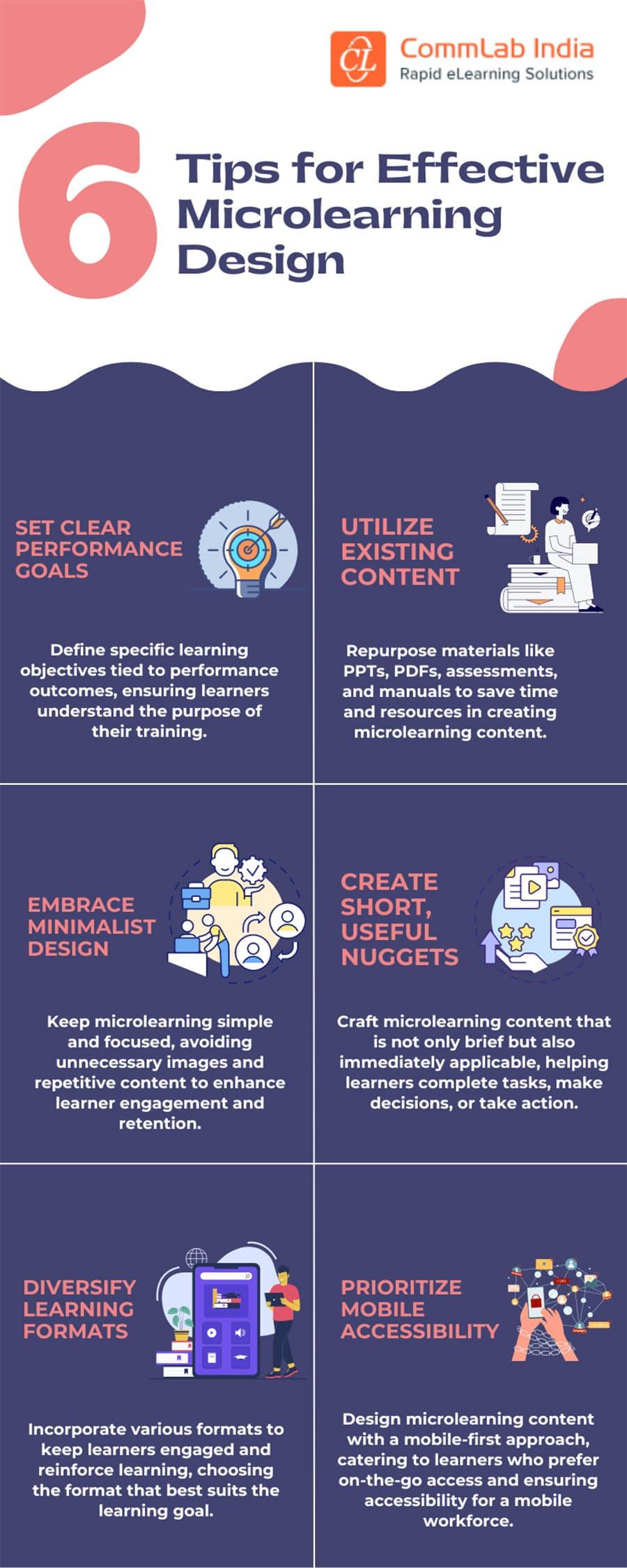
- Define Clear Learning Objectives: Each microlearning module should focus on a single, well-defined goal.
- Keep it Short and Simple: limit content to the essentials—2–10 minutes per module is best.
- Use Varied Formats: Mix videos,quizzes,infographics,and more to cater to different learning preferences.
- Design for Mobile: Ensure all modules are responsive and easy to access on smartphones and tablets.
- Leverage Gamification: Badges, points, and leaderboards boost motivation and retention.
- Make it Contextual: Deliver learning in the workflow, using real-world scenarios and examples.
- Track and Iterate: Use analytics to monitor progress and optimize your microlearning strategy over time.
microlearning and the Modern LMS
Today’s Learning Management Systems (LMS), including popular WordPress-based LMS plugins, are increasingly optimized for microlearning experiences.Look for features like:
- Quick content upload and authoring tools
- Mobile-friendly design
- Personalized learning paths
- Micro-assessments and instant feedback
- Robust data analytics and reporting
Tip: If your company website runs on WordPress, consider leading WordPress microlearning plugins to deliver and track bite-sized learning content efficiently.
Frequently Asked questions About Microlearning
Is microlearning suitable for all types of training?
Microlearning is highly effective for compliance,onboarding,product updates,and soft-skill development. However, for complex, in-depth subjects, it’s best used in combination with longer-form training.
How can I measure microlearning’s effectiveness?
Track metrics like course completion rates, assessment scores, learner engagement, and on-the-job performance improvements.Modern LMS platforms offer built-in analytics.
Do employees prefer microlearning?
Yes! Studies show that modern learners overwhelmingly value short, practical, and easily accessible learning experiences, making microlearning a favorite approach.
Final Thoughts: Embrace Microlearning for Modern Success
As the business world accelerates, microlearning stands out as the training method that truly aligns with modern learners’ needs. By making learning continuous, flexible, and engaging, organizations foster not only skill development but also a genuine culture of growth and adaptation.
Start small, focus on learner needs, and leverage today’s digital platforms to deliver impactful microlearning experiences. Whether you’re updating mandatory compliance content or investing in leadership development, bite-sized training is the key to unlocking a smarter, more agile workforce.
Ready to transform your training? Begin with microlearning and stay ahead in the ever-evolving world of work.