
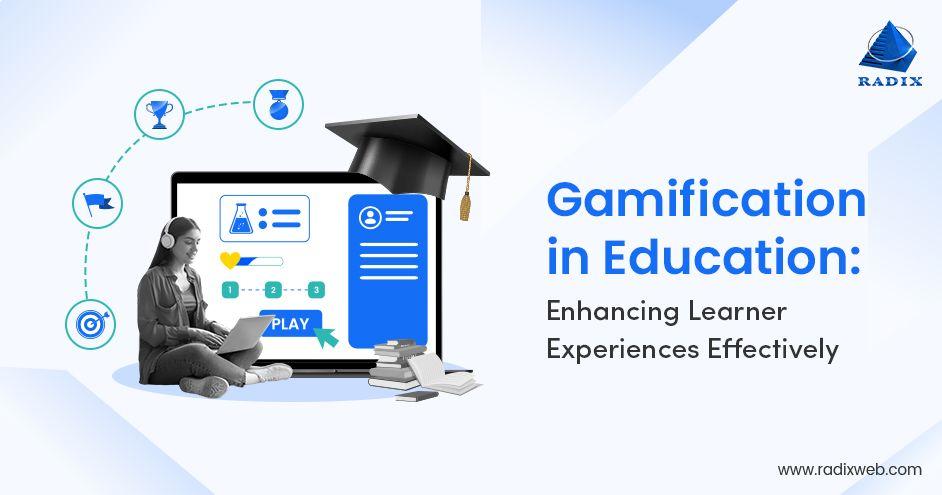
Unlocking Minds: The Psychology Behind Gamification in Education Explained
Gamification in education is changing the way students learn, making lessons more interactive and motivating. By incorporating gaming elements into classrooms, educators can tap into deep-rooted psychological triggers that drive curiosity, engagement, and achievement. This article explores the psychology behind gamification in education, highlighting the benefits, real-world examples, and expert tips for successful implementation.
Introduction to Gamification in Education
In the last decade, gamification in education has emerged as a powerful tool to boost student motivation and improve learning outcomes. But what exactly is gamification? At its core,gamification leverages game design elements—such as points,badges,leaderboards,and levels—in non-gaming contexts,like classrooms and online courses. The goal is simple: make learning engaging, enjoyable, and rewarding.
Platforms like Kahoot!, Duolingo, and Classcraft have embraced gamification, transforming traditional learning experiences with behavioral psychology and playful competition. But why does gamification work so well,and what psychological principles does it tap into? Let’s unlock the science behind gamification and explore its impact on the minds of learners.
The Psychology Behind Gamification: Understanding Engagement and Motivation
To grasp why gamification is so effective, it’s essential to delve into the psychology of human motivation and engagement. Here’s how gamification uses key psychological concepts:
Intrinsic vs.extrinsic Motivation
- Intrinsic motivation: The drive to learn arises from internal satisfaction—curiosity, challenge, and mastery.
- Extrinsic motivation: Motivation comes from external rewards—points, badges, grades, and praise.
Gamification combines both. By offering rewards and recognition, it sparks extrinsic motivation. Simultaneously, immersive challenges and instant feedback nurture intrinsic motivation—a potent blend proven to sustain engagement in learning environments.
the Role of Dopamine and Reward Systems
- Each achievement, level-up, or badge triggers the release of dopamine, the “feel-good” neurotransmitter.
- Dopamine reinforces positive behaviors, making students more likely to repeat actions that earn rewards.
- Frequent feedback loops (i.e., quizzes with instant results) maintain motivation by continuously rewarding progress.
This cycle keeps learners engaged and motivated over longer periods, improving knowledge retention.
Flow State and the Power of Challenge
- Gamification creates “flow”—a state where learners are fully absorbed in activities that match their skill level and present achievable challenges.
- This results in higher concentration, deeper learning, and greater satisfaction.
Social Connectedness and Competition
- Leaderboards and team challenges promote pleasant competition and social connectivity.
- Peer recognition encourages collaborative learning and healthy rivalry, fostering community and camaraderie.
Benefits of Gamification in Education
When implemented thoughtfully, gamification offers myriad benefits for students and teachers alike. Here’s a look at the most impactful advantages:
- Enhanced Engagement: Game elements make lessons interactive and fun, reducing boredom and increasing participation.
- Increased retention: Frequent feedback and repetition help students remember key concepts.
- Self-Paced Learning: Levels and challenges allow learners to progress at their own pace, accommodating diverse learning needs.
- Instant Feedback: Automated quizzes and rewards provide immediate insights for learners, correcting mistakes in real time.
- boosted Motivation: Achievements, badges, and leaderboards encourage students to set goals and strive for improvement.
- Building Soft Skills: Gamified group activities develop collaboration, critical thinking, and problem-solving skills.
Case Studies: Gamification Success Stories
duolingo: Revolutionizing Language Learning
duolingo uses XP points, streaks, leaderboards, and virtual rewards to turn the tedious process of language learning into a social and competitive game. Research shows that Duolingo’s gamified approach increases daily engagement and retention by up to 40%, demonstrating the power of reward systems and competition.
Classcraft: Fostering Collaboration in Schools
Classcraft transforms classrooms into role-playing adventures where students work in teams and earn rewards for good behaviour and academic achievement. Schools have reported:
- Improved classroom management
- Higher student participation
- Increased social skills and confidence
Through collaborative quests and real-time feedback, Classcraft harnesses the psychological benefits of teamwork and recognition.
Kahoot!: Making Quizzes Exciting
kahoot! uses point-based live quizzes to make assessment a fun, low-pressure experience. Teachers find that students who are or else disengaged become enthusiastic participants when quizzes are gamified, leading to better learning outcomes and a more joyful atmosphere.
Practical Tips for Effective Gamification in the Classroom
while gamification offers immense potential,success depends on thoughtful design and implementation.Here are practical tips to maximize its impact:
- Set Clear Goals: Align game elements with curriculum objectives and skill development.
- Encourage Collaboration: Use team-based activities to foster cooperation and peer support.
- Balance Competition: Ensure leaderboards and challenges remain friendly and inclusive,not cut-throat.
- Offer Variety: Mix and match rewards, challenges, and levels to cater to different learning styles.
- Provide Instant Feedback: Use tools and apps that give students real-time insights on progress.
- Monitor and Adjust: Use analytics to track engagement and adjust game mechanics as needed.
First-Hand experiences: Voices from Educators and Learners
Many educators have shared their experiences with gamification, noting its transformative impact.
“Gamification turned my classroom into a community of enthusiastic learners. My students look forward to lessons and genuinely help each other succeed.” – Sarah N., Elementary Teacher
“The instant feedback and friendly competition on Kahoot! keep me motivated to learn new topics every day.” – Liam T., High School Student
These stories reveal how gamification not only improves academic outcomes but also creates positive classroom cultures.
Challenges and Considerations in Gamification
- Overuse of Extrinsic Rewards: Excessive reliance on points and badges may reduce intrinsic motivation over time.
- Equity Concerns: Not all students thrive in competitive environments; personalization and inclusiveness are key.
- Technical Barriers: Limited access to tech tools can hinder gamification in some schools.
Awareness of these challenges allows educators to design gamified experiences that are balanced, fair, and accessible.
Conclusion: Gamification—The Future of Engaged Learning
As we’ve explored, gamification in education is more than just adding fun to lessons; it’s a science-based approach grounded in psychological principles of motivation, reward, and engagement. By leveraging intrinsic and extrinsic motivators,triggering the brain’s reward systems,and nurturing collaboration,gamification unlocks students’ potential and transforms classrooms into dynamic spaces for learning.
With thoughtful design,gamification can increase motivation,participation,and retention—while building essential skills for the future. Whether you’re an educator or a learner, now is the time to embrace gamification and unlock new paths to educational success!
Ready to gamify your classroom? Explore leading platforms and start transforming your lessons today. For more tips on educational psychology, student engagement, and innovative teaching strategies, subscribe to our newsletter!