
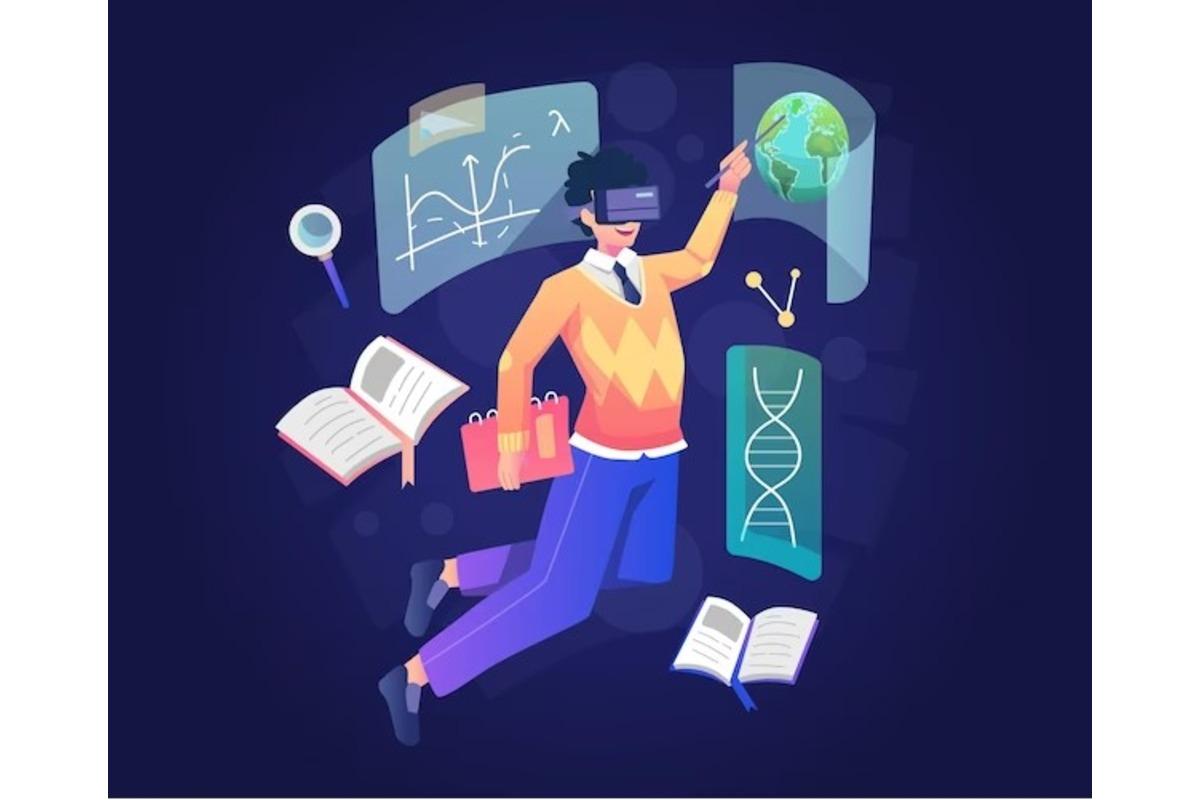
Unlocking Modern Education: How VR and AR Drive Immersive Learning Experiences
The face of education is rapidly changing, thanks to technological breakthroughs that are making learning more engaging, interactive, and effective. Among these, Virtual Reality (VR) and Augmented Reality (AR) are at the forefront, reshaping traditional teaching methods and creating pathways for immersive learning experiences. In this comprehensive article, we’ll explore how VR and AR technologies unlock modern education, examine their benefits, real-world applications, and provide tips for educators aiming to harness these transformative tools.
Understanding Immersive Learning: What are VR and AR?
Immersive learning brings a sense of presence to education, pulling students into lifelike scenarios that spark curiosity and boost retention. But what exactly do these technologies involve?
- Virtual Reality (VR): VR places learners inside a fully digital surroundings, ofen through headsets like Oculus Quest or HTC Vive. Here, students interact with 3D simulations—from exploring the solar system to conducting chemistry experiments.
- augmented Reality (AR): Unlike VR, AR overlays digital elements onto the real world, typically using smartphones or tablets. AR apps might show 3D organisms on a biology textbook or create interactive timelines on classroom walls.
Both VR and AR are central to modern education, delivering hands-on learning that complements (and often surpasses) traditional methods.
Key Benefits of VR and AR in the Classroom
The adoption of immersive technologies in education is growing fast—and for good reason. Here’s how VR and AR drive impactful, modern learning experiences:
- Enhanced Engagement: Interactive 3D models and virtual scenarios make abstract concepts tangible, holding students’ attention better than traditional textbooks.
- Experiential Learning: VR and AR allow students to “learn by doing,” providing safe environments for experiments, practise, and real-world problem-solving.
- Inclusive Education: Immersive tools support diverse learning styles, making education accessible for students with diffrent needs and abilities.
- Safe Simulation: Risk-free simulations in VR let learners practice dangerous procedures or visit inaccessible locations, such as active volcanoes or outer space.
- Immediate Feedback: Many VR/AR platforms provide instant analysis, helping students correct mistakes in real-time and reinforcing learning outcomes.
- Global Collaboration: Virtual classrooms break geographical barriers, connecting students and teachers worldwide.
By making learning more dynamic and responsive, VR and AR ensure that no student is left behind in the digital age.
Real-World Case Studies: VR and AR in Action
- Stanford University’s Anatomy VR Lab: Medical students use VR to visualize complex anatomy in 3D, greatly improving spatial understanding and procedural knowlege compared to 2D diagrams.
- Google Expeditions: This AR/VR platform enables students to embark on virtual field trips, from exploring Egyptian pyramids to swimming in coral reefs, all without leaving their classroom.
- Cleveland Clinic Case Western Reserve University: The HoloAnatomy AR app aids medical education by projecting interactive anatomical models, making lessons far more immersive and memorable.
These and hundreds of other institutions are paving the way for more effective, future-ready curricula using immersive technology in education.
Practical Tips for Integrating VR and AR into Education
- Start Small, Scale Up: Begin by introducing simple AR apps or affordable VR headsets for selected lessons before making larger investments.
- Choose the Right Content: Not every topic benefits from VR or AR.Focus on areas where visualization or interaction brings clear value, such as science, history, or technical training.
- Train Educators: Teachers are the catalysts for successful adoption. Provide workshops and ongoing support to ensure confidence with new tools.
- Prioritize Accessibility: Design AR/VR experiences that cater to various learning needs, including visual or auditory assistance.
- Evaluate and Iterate: Gather student feedback and consult learning analytics to refine and expand immersive content.
Effective integration of VR and AR requires thoughtful planning,but the rewards include deeper engagement and improved educational outcomes.
First-hand Experience: The Learning Impact of Immersive Technology
Teachers and students alike report remarkable results when using immersive technology in education:
“Using VR simulations for chemistry has transformed my classroom. My students grasped complex reactions faster and retained knowledge better than ever before.”
– Maria K., High School Science Teacher
“With AR flashcards, I actually see the animals for biology class come to life. It’s way cooler than reading a textbook, and I actually feel like I’m learning.”
– Jake T., 9th Grade Student
these testimonials highlight how VR and AR bridge the gap between theory and practice, making knowledge relevant and memorable.
The Future of Immersive Learning: What’s Next?
As technology continues to evolve, so does its potential to revolutionize education. The future of immersive learning includes:
- AI-driven adaptive experiences that personalize learning pathways based on individual progress.
- Multi-user VR classrooms enabling real-time collaboration and social learning, irrespective of location.
- Seamless integration with mainstream LMS platforms, making AR/VR content easy to assign, assess, and track.
- Affordability and accessibility improvements as hardware costs decrease and content libraries expand.
Embracing these developments ensures that students are equipped with the skills, curiosity, and adaptability needed for the 21st century.
conclusion: Embrace Immersive Technology in Modern Education
VR and AR in education are more than tech trends—they are essential tools for unlocking the full potential of learners worldwide. By making learning immersive, interactive, and inclusive, these technologies empower students to thrive in our fast-changing, knowledge-driven world. Educators willing to adopt immersive learning experiences will not only boost student engagement but also help shape the future of education itself.
Ready to embark on the journey of immersive learning? Explore available resources, pilot AR or VR lessons, and join a growing global community that’s redefining the boundaries of education.