
Unlocking Potential: Effective SEL Strategies for Students with Special Needs
Social and emotional Learning (SEL) is a fundamental part of every child’s education, but for students with special needs, tailored SEL strategies can transform not only academic outcomes but also quality of life. As educators, parents, and caregivers seek the most effective SEL practices, it’s crucial to understand what works best for diverse learners.This extensive guide explores practical and research-backed SEL strategies for students with special needs, highlighting their benefits, implementation tips, and real-world success stories.
Understanding the Importance of SEL for Students with Special Needs
Students with special needs—whether thay have learning disabilities,autism spectrum disorders,ADHD,or other challenges—often face barriers in social interaction,emotional regulation,and self-advocacy.Social and Emotional Learning (SEL) provides the tools these students require to build connections, express themselves, and navigate an increasingly complex world.
- Enhanced Interaction: Helps students express thoughts, needs, and feelings more effectively.
- Better Emotional Regulation: equips learners to manage stress,frustration,and other emotions.
- Improved Social Skills: Encourages positive relationships with peers and adults.
- Fosters independence: supports decision-making and problem-solving.
Key Principles of Effective SEL Strategies for Special Needs Learners
Implementing SEL strategies for students with special needs requires sensitivity, flexibility, and a commitment to inclusivity. The following principles form the foundation of an effective SEL approach:
- Individualization: Tailor SEL activities to meet each student’s unique strengths and challenges.
- Consistency: Maintain predictable routines and structures to help students feel safe.
- Visual Supports: Use visuals and social stories to reinforce concepts.
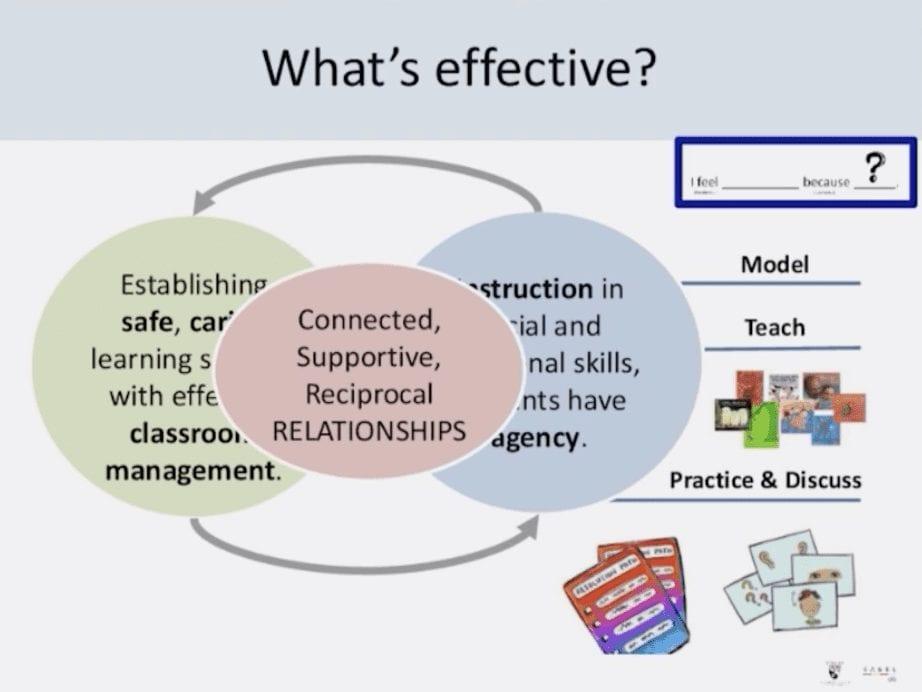
- Explicit Instruction: Directly teach social and emotional skills using clear, concrete language and modeling.
- Family and Community Collaboration: Engage families and support networks for a holistic approach.
practical SEL Strategies for Students with Special Needs
Integrating SEL into everyday instruction doesn’t have to be intricate. Here are some proven and practical SEL strategies for students with special needs that you can use right away:
1.Visual Schedules and Storyboards
- Break the day into visually represented segments to reduce anxiety about upcoming changes.
- Use social stories to teach specific social behaviors or routines, such as asking for a turn or expressing anger safely.
2. Emotion Regulation Zones
- Introduce color-coded “zones” (such as the Zones of Regulation framework) to help students recognize and communicate their emotions.
- practice deep breathing, sensory breaks, or mindfulness exercises within each zone.
3. Role-Playing and Social Scripts
- Use structured role-play to rehearse real-world scenarios (e.g., starting a conversation, asking for help).
- Provide simple scripts for students to use in challenging social situations.
4. Positive Reinforcement
- Celebrate progress, big or small, with verbal praise, tokens, or a reward system tailored to the student’s interests.
- Encourage self-monitoring and self-celebration to boost confidence.
5. Peer Buddy Programs
- Pair students with peers for friendship-building activities.
- Offer structured opportunities for cooperative learning and problem-solving.
6.Technology-assisted learning
- Leverage SEL apps, interactive games, and communication devices to support skill progress.
- Incorporate video modeling to demonstrate appropriate social behaviors.
Benefits of SEL for Students with Special Needs
Scientific research underscores that students with special needs who engage in SEL programs show marked improvements in academic performance, behavior, and emotional well-being.
- Increased Self-esteem: Students gain confidence in their abilities to interact and express themselves.
- Reduced Behavior Challenges: Proactive strategies help prevent meltdowns,outbursts,or social withdrawal.
- Higher Academic Engagement: SEL supports focus, motivation, and resilience.
- strengthened Relationships: Stronger connections with peers and teachers foster a sense of belonging.
- Improved Life Outcomes: Skills learned through SEL translate into better opportunities in adulthood.
Case Studies: SEL Success Stories in Special Education
Case 1: Customized Social Stories at Maple Grove Elementary
At Maple Grove, a team of educators created personalized social stories for students on the autism spectrum. Over a semester, incidents of classroom disruptions declined by 36%, and teacher feedback showed a dramatic improvement in students’ self-regulation.
Case 2: Peer Buddies Ignite Inclusion at Lincoln Middle School
Through a structured peer buddy system, students with intellectual disabilities participated in group science projects. Teachers and parents reported not only academic gains but also new friendships and increased classroom engagement.
Case 3: Tech-driven SEL at Shining Futures Learning Center
Using tablet-based apps for emotion recognition, students with communication challenges identified and shared feelings more readily. The SEL program’s success was reflected in improved IEP goal attainment.
First-Hand Experience: Insights from Educators and Parents
“Incorporating mindfulness and visuals into our daily schedule transformed our classroom dynamic. Students are more in tune with their feelings and are learning to express their needs effectively.”
— Mrs. Leona, Special Education Teacher
“As a parent, the use of simple SEL techniques at home has helped my child handle transitions and frustration much better. We’ve seen remarkable growth in her confidence!”
— Alex P., Parent of a child with ADHD
Tips for Implementing SEL Strategies in Special Needs Classrooms
- Start Small: Incorporate one or two SEL activities at a time, adjusting based on what resonates with your students.
- blend SEL with Academics: Integrate SEL concepts into reading, math, or science lessons for a holistic approach.
- Use Multi-Sensory Methods: Engage students through visual, auditory, and hands-on activities.
- Involve Families: Share tools and practices so skills are reinforced at home.
- Monitor Progress: Use check-ins or journals to assess students’ growth in SEL competencies.
Conclusion: Every Student Deserves SEL Success
Unlocking the full potential of students with special needs requires thoughtful, individualized, and dynamic SEL strategies.By applying these evidence-based practices, educators and parents can nurture resilience, empathy, and confidence—setting each learner up for a lifetime of success.Remember, even small steps in social and emotional learning can make a profound difference.Let’s champion SEL for every student, ensuring inclusive, supportive, and thriving classrooms for all.