
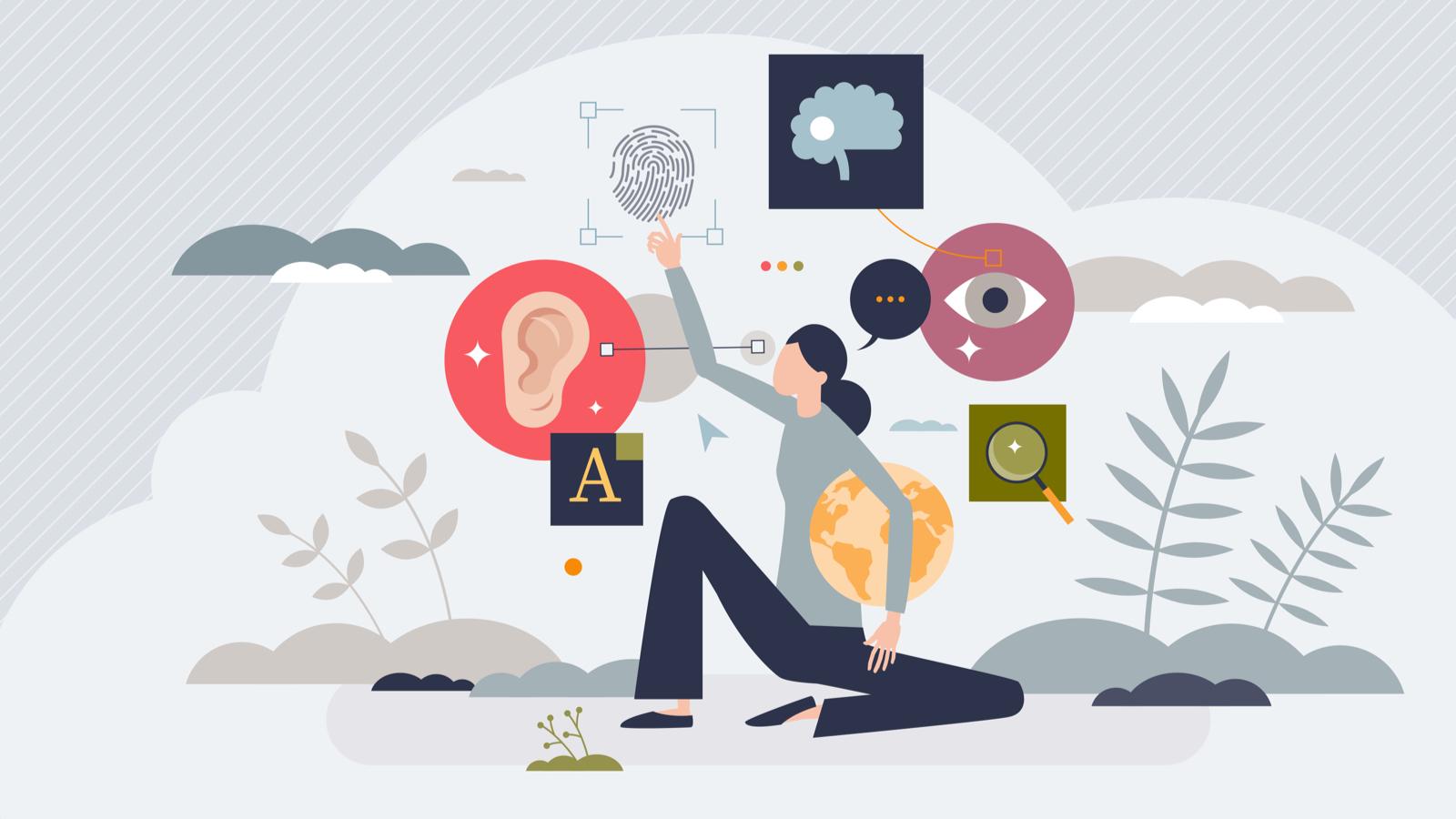
Unlocking Potential: How AI Is Revolutionizing Special Education and Bridging the Gap for Students with Special Needs
Special education has always aspired to create an equitable and inclusive environment for students with diverse learning needs. Over the past few years,Artificial Intelligence (AI) has emerged as a game-changer,bringing innovative solutions to classrooms and empowering educators,parents,and students alike. In this extensive guide, we’ll explore how AI is transforming special education, uncover its benefits, and provide practical tips for implementation. If you’re an educator, parent, or advocate, this article will help you understand how technology is bridging the achievement gap for students with special needs.
“AI is not about replacing teachers, but about empowering students and educators to achieve more together.”
Understanding the Challenges in Special Education
Students with special needs face unique challenges that often require tailored educational approaches. These may include:
- Communication difficulties – many students with autism, Down syndrome, or speech impairment need alternative methods to express themselves.
- Cognitive and emotional diversity – Learning disabilities, ADHD, and other neurological differences can affect attention, memory, and processing speed.
- accessibility barriers – Physical disabilities may hinder participation in customary classroom activities.
- Individualized learning needs – Each student requires a personalized educational plan to achieve their potential.
Traditionally, addressing these challenges demanded significant time, expertise, and resources. But thanks to AI, the future looks promising.
AI in Special Education: Key Benefits
The integration of AI in special education is delivering unprecedented benefits. Here are some of the moast impactful ways:
1. Personalized Learning Paths
- AI-driven adaptive learning platforms (like DreamBox, KidSense, or Squirrel AI) analyze how each student interacts with content and automatically adjust lessons to suit their learning style and pace.
- Customized feedback helps students progress without feeling overwhelmed or left behind.
2. Enhanced Communication Tools
- Speech-to-text and text-to-speech AI applications allow nonverbal or speech-impaired students to communicate more effectively.
- AI-powered translation tools bridge language barriers for students with hearing or language processing challenges.
3. Intelligent Assessment & Progress Tracking
- AI automates regular assessments and provides real-time progress reports, enabling educators to adjust instruction accordingly.
- Automated alerts highlight when students need extra support or intervention.
4. Accessibility Improvements
- AI-enabled hardware and software (voice-activated devices, Braille readers, screen readers) make learning materials accessible for students with visual or physical disabilities.
- Wearable AI devices assist with mobility and independence.
5. Emotional and behavioral Support
- AI-based sentiment analysis tools detect changes in mood or behavior, helping teachers proactively address emotional challenges.
- Virtual assistants can guide students through social scenarios and teach coping strategies.
Practical Tips for Educators and Parents: Integrating AI in Special Education
- Start Small: Implement AI tools for specific tasks—like speech recognition or adaptive math games—and expand as comfort grows.
- Provide Training: Ensure teachers and support staff understand how to use new technology effectively.
- Partner with Parents: Involve families in selecting and customizing AI tools to meet their child’s unique needs.
- Monitor and Evaluate: Use AI analytics to track progress and adjust strategies as needed.
- Stay Informed: Attend professional growth workshops and join online communities focused on AI in special education.
AI-Powered Tools Changing Lives: Real-World Case Studies
Case Study 1: Autism Spectrum disorder (ASD)
Jasper, a 10-year-old student diagnosed with ASD, struggled with communication and social interaction. By introducing an AI communication app with facial recognition and emotional cues, Jasper learned to identify emotions and respond appropriately. His participation in group activities increased,and his teachers reported significant progress in both verbal and nonverbal interactions.
Case Study 2: Dyslexia
Maria, an 8-year-old with dyslexia, found reading assignments overwhelming. Her school adopted an AI-powered reading assistant that adjusted text complexity and read passages aloud. Over the school year, Maria’s comprehension and confidence soared. The software tracked her progress, enabling her teachers to fine-tune interventions.
Case Study 3: Physical Disabilities
Leo, a teenager living with cerebral palsy, faced frustration using standard computers. Adaptive AI software responded to his voice and gestures, allowing him to participate fully in virtual classrooms.Leo’s grades improved, and he gained new independence in managing assignments and projects.
First-Hand Experiences: Educators and Students Speak Out
Teachers, students, and families across the globe are sharing inspiring stories about how AI is helping bridge the gap in special education. Here’s what they’re saying:
- “AI gives me more time to focus on one-on-one teaching. I spend less time grading and more time supporting individual needs.” – Ms. Henderson, Special Education Teacher
- “My daughter is engaged for longer periods and loves her AI math tutor. It feels like it was made just for her.” – Parent of a child with ADHD
- “I can finally join in class discussions. AI makes it possible for me to share my thoughts.” – Student using speech-to-text technology
Ethical Considerations & Challenges
While AI represents a tremendous opportunity for special education, stakeholders must be mindful of:
- Data privacy: Ensure student data is protected and used ethically.
- Equitable access: Work to prevent the digital divide so all students benefit, irrespective of location or economic status.
- Teacher involvement: AI should complement, not replace, skilled educators.
- Continual evaluation: regularly assess AI solutions to ensure they meet students’ changing needs.
The Future: What’s Next for AI in Special Education?
The next decade promises even more exciting advancements, including:
- Emotionally intelligent AI tutors capable of nuanced interactions and supporting mental health.
- Augmented reality (AR) and virtual reality (VR) combined with AI, giving students immersive, accessible learning experiences.
- Collaborative AI platforms that connect global experts for personalized student support.
- Real-time “learning companions” that provide context-sensitive aid both at school and home.
Conclusion: Embracing AI to Unlock Every Child’s Potential
AI is transforming special education by making learning more accessible, personalized, and engaging for students with special needs. It enables teachers to provide targeted support, empowers students to overcome obstacles, and gives parents fresh hope for their child’s educational journey. By responsibly harnessing AI’s power, we can bridge the gap and unlock the full potential of every learner.
If you’re considering integrating AI into your special education program or at home, start by exploring simple tools and building a collaborative approach around your child’s individual strengths. The sooner we embrace innovation, the closer we move towards an inclusive future where every student can thrive.
Ready to Start Bridging the Gap?
explore our curated resources on AI in special education, connect with expert communities, and discover the latest tools to empower students with special needs. Contact us today for custom guidance and solutions!