
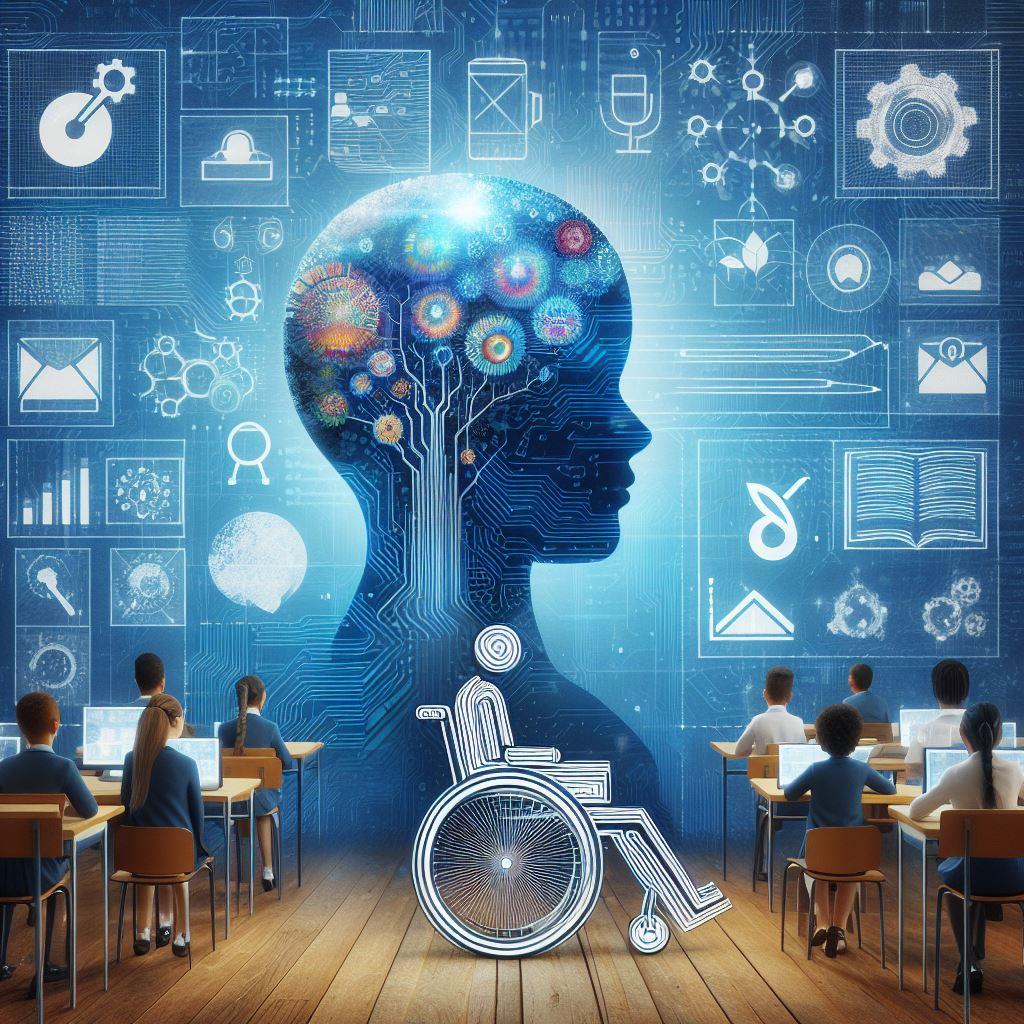
Unlocking Potential: how AI Is Revolutionizing Support for Special Education Needs
In today’s rapidly evolving educational landscape, artificial intelligence (AI) in special education is making waves. For students with diverse learning needs and disabilities, technology is not just about innovation—it’s about opening doors to a more inclusive and supportive learning habitat. From personalized learning plans to real-time assistance, AI is unlocking potential like never before.But how exactly is this tech shaping the future of special education, and what practical benefits does it bring?
Understanding Special Education Needs and the Role of AI
Special education encompasses teaching methods, tools, and settings designed for students who require additional support due to various disabilities or learning difficulties. Traditionally, these students benefit from individualized attention, specialized resources, and adaptive curricula.Though, limitations such as resource shortages, time constraints, and lack of personalization have posed meaningful challenges.
AI in special education offers promising solutions by leveraging data, machine learning, and adaptive technologies to:
- Diagnose learning difficulties more effectively
- provide personalized lesson plans and feedback
- Enable real-time progress tracking and intervention
- Facilitate interaction for nonverbal students
- Support teachers with smarter resource management
The Transformative Benefits of AI for Special Education Needs
With the integration of AI-powered tools, students with special needs experience improved learning outcomes, greater autonomy, and enhanced engagement. Teachers and parents also gain deeper insights into student strengths and areas for growth. Here are some key benefits:
- Personalized Learning: AI adapts resources in real-time, customizing content to suit each student’s unique pace and style of learning, whether they’re neurodiverse, have dyslexia, autism spectrum disorders, or other challenges.
- Early Intervention: Complex algorithms can detect emerging learning difficulties, allowing educators to provide timely and appropriate interventions.
- Accessible Communication: AI-driven speech-to-text tools, predictive communication apps, and language models help nonverbal and speech-impaired students express themselves more easily.
- Automated Assessments: Teachers save time with AI-enabled grading and progress monitoring, giving them more opportunities to focus on individualized instruction.
- Engagement & Motivation: Interactive AI platforms use gamification and adaptive challenges to boost student motivation and participation.
Case Studies: AI Making a difference in Special Education
Let’s explore how AI is already impacting classrooms and real-world scenarios:
- Otter.ai & Speech recognition Apps: Schools use advanced transcription and note-taking tools powered by AI to support students with hearing impairments and processing disorders. Students recieve instant notes from lessons, improving retention and understanding.
- AI-powered Text-To-Speech and Reading Tools: Platforms like Microsoft Learning Tools offer immersive readers and voice support, helping students with dyslexia or other reading difficulties engage with material independently.
- SMART Content Delivery: AI-driven learning management systems analyze student performance, recommend individualized content, and even alert teachers when a student may need extra help.
- Behavioral analysis & social Skills training: AI-enabled robots and virtual assistants offer social skills practice for children with autism. These platforms analyze facial cues, track emotional responses, and provide real-time guidance.
First-Hand Experience: How Educators and Parents Are Using AI
“Our son,who has nonverbal autism,found his voice through an AI-powered communication app. For the first time, he can share his preferences and feelings in real time. It’s transformed his relationships and our daily routine.”
– Sarah L.,Parent
Teachers report that integrating AI into their special education classrooms has allowed for more efficient use of teaching time,better monitoring of progress,and tailored instruction for every student. AI-driven platforms make it easier to create inclusive lesson plans, track IEP (Individualized Education Program) goals, and share results with families.
“I no longer spend hours grading and tracking progress. AI helps me focus on developing activities that fit each child’s strengths—and the kids engage more than ever.”
– Maria Y., Special Education Teacher
Practical Tips for Using AI in Special Education
- Start Small: Choose one AI tool (such as an adaptive reading app or speech-to-text device) and integrate it into daily lessons. Monitor both student engagement and learning outcomes.
- Personalize for Each Student: Use platforms offering customizable content to address unique educational goals and needs.
- Involve Stakeholders: Collaborate with parents, caregivers, and therapists to select tools that align with home and classroom objectives.
- Train Staff: Provide ongoing training for teachers to maximize the effectiveness of AI tools and ensure ethical use.
- Monitor data Privacy: Choose solutions that prioritize student data protection and comply with privacy laws such as FERPA and GDPR.
Challenges and Considerations When Implementing AI
While the promise of AI is ample, educators should also consider potential challenges:
- Accessibility and Equity: Not all schools have equal access to AI technology. Funding and infrastructure are crucial to ensure inclusivity.
- Training Needs: Effective use of AI in the classroom requires that teachers and staff understand how to best leverage these tools.
- Ethical Concerns: Data privacy, algorithm bias, and ethical use of student information must always be prioritized.
- Integration: Ensuring AI solutions work seamlessly with existing curricula and support other special education services is vital.
By addressing these challenges through collaboration, clear policies, and ongoing education, the potential of AI in special education can be truly unlocked.
Looking Ahead: the Future of AI in Special Education
The roadmap for AI and special education is filled with promise. As technology becomes more advanced and accessible, expect to see:
- Greater personalization of learning experiences
- Expanded roles for AI in emotional and behavioral support
- Increased use of AI in adaptive physical environments
- Further partnerships between tech companies and educators
Educators, parents, and students alike will benefit from a more responsive, compassionate, and effective approach to learning.
Conclusion: Harnessing the Power of AI to Unlock Every Student’s Potential
AI’s role in supporting special education needs goes beyond mere innovation—it enables every student to reach their full potential. From personalized instruction to bridging communication gaps, artificial intelligence is reshaping what’s possible. By embracing these advancements, advocating for ethical use, and training stakeholders, we can ensure that technology serves as a powerful ally in building inclusive, supportive educational environments.
For parents, educators, and administrators looking to make a meaningful difference, now is the time to explore and invest in AI for special education.The journey begins with understanding the tools available, remaining informed, and harnessing the transformative potential of artificial intelligence—so every learner can thrive.