
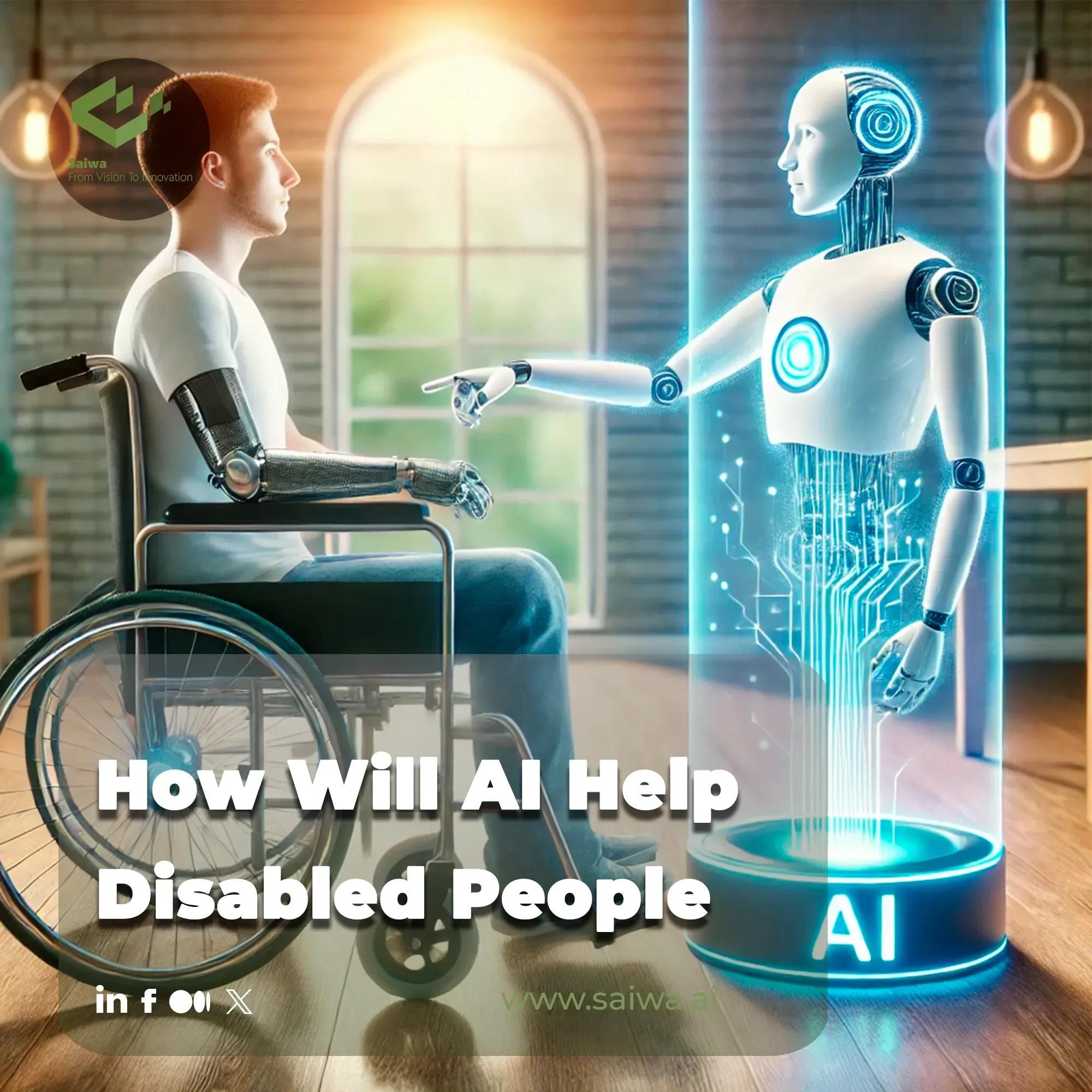
Unlocking Potential: How AI is Revolutionizing Support for Students with Disabilities
In today’s rapidly advancing digital landscape,artificial intelligence (AI) is at teh forefront of educational innovation.For students with disabilities, AI-driven tools are not just a convenience—they’re a necessary step toward breaking barriers, fostering inclusivity, and unlocking each student’s full potential. This article explores how AI technology is revolutionizing support for students with disabilities, providing them with personalized resources, greater independence, and improved academic outcomes. We’ll also share real-world case studies and practical tips for integrating AI in special education.
Understanding AI in Education: A New Frontier for Disability support
AI in education refers to the use of clever software and systems that can analyze data, learn from interactions, and provide personalized responses and support. When applied thoughtfully, these technologies empower students with disabilities by removing traditional obstacles, from dialog difficulties to physical or sensory impairments.
Key AI Technologies Empowering Students with Disabilities
- Speech recognition and Text-to-Speech Tools: Help students with reading or writing impairments navigate learning materials.
- AI-Powered Visual Aids: Tools like object recognition and real-time image descriptions aid students with visual disabilities.
- Personalized Learning Platforms: Adaptive learning software tailors content and tests to a student’s pace and preferences.
- Predictive Text and Writing Assistance: Platforms suggest grammar corrections and vocabulary for students with dyslexia or learning disabilities.
- Emotion Recognition software: Assists students with autism in identifying emotions during social interactions.
The Benefits of AI for Students with Disabilities
AI is transforming the educational experience for millions of learners facing challenges. Hear are some of the key benefits of AI in supporting students with disabilities:
- Personalized Learning: AI adapts lessons and resources based on each student’s strengths, weaknesses, and preferred learning style.
- Real-Time Feedback: Intelligent tutoring systems provide instant feedback, helping students stay engaged and informed about their progress.
- Increased Independence: Assistive AI tools empower students to complete tasks without constant adult supervision, fostering self-confidence and autonomy.
- Enhanced communication: AI-powered speech, translation, and communication aids enable students with speech or language disabilities to participate actively in class.
- accessibility Improvements: From reading text aloud to providing choice input methods, AI ensures educational materials are accessible to all.
Practical Examples: How Schools Are Using AI to Support Disabled Learners
Let’s look at real-world case studies and practical applications of AI in special education.
Case Study 1: AI Reading Companions for Dyslexia
At a public middle school in California, a group of students with dyslexia uses an AI-powered reading app. This tool scans textbooks and converts them into easily readable text, highlights content in real-time, and provides spoken feedback. Teachers report improved fluency and comprehension, and students say they’re more confident tackling assignments independently.
Case study 2: Communication Support for Non-Verbal Students
A special education classroom in the UK adopted AI-driven Augmentative and Alternative Communication (AAC) devices. these tablets analyze user intent and context, suggesting words, images, or phrases to help non-verbal students communicate seamlessly with their peers and teachers.As a result, classroom participation and social interaction have dramatically improved.
Case Study 3: Emotional Support for Students with Autism
Japanese schools are piloting AI-based emotion recognition software that interprets facial expressions and voice intonations. It provides feedback to autistic students, helping them recognize emotions in classroom scenarios.Both students and teachers praise the system for fostering empathy, self-awareness, and stronger social skills.
First-Hand Experiences: Voices from the Classroom
“AI reading tools have been a game-changer for my students with learning disabilities. One student who struggled to read quietly can now access material with audio support, and his grades have improved significantly.”
— Mrs. Lauren Smith, Special Education Teacher
“As a college student with visual impairment, AI image recognition apps help me keep up with class demonstrations. I feel more independent, and I don’t miss out on critically important details or social cues.”
— Alex R., university Student
Best AI Tools for Students with Disabilities
- Microsoft Immersive Reader: Converts text to speech, offers grammar support, and is customizable for accessibility needs.
- Voiceitt: Recognizes and translates atypical speech, making verbal communication easier for students with speech disabilities.
- Be My Eyes: Connects visually impaired students with AI or human volunteers for real-time assistance.
- Otter.ai: Provides real-time transcription for students with hearing impairments.
- ClaroRead: Offers text-to-speech, scanning, and language support features.
Tips for Successfully Implementing AI in Special Education
- Start Small: Pilot one or two AI tools before scaling across the classroom or school.
- customize to Student Needs: Choose solutions that align with your students’ abilities and educational goals.
- Train Staff and Students: Provide thorough training for educators and learners to maximize effectiveness.
- Prioritize Privacy and Security: Ensure that AI platforms comply with student privacy laws and safeguard sensitive data.
- Seek Ongoing Feedback: Encourage students,teachers,and parents to share experiences and suggestions for advancement.
Challenges and Future Directions
While AI offers immense promise for supporting students with disabilities, it is not without challenges. Concerns about data privacy,algorithmic bias,and equitable access to technology must be addressed. Collaboration among educators, developers, and policymakers is crucial to ensure that AI is accessible, fair, and ethical for all learners.
Looking ahead, the future is radiant. Innovations such as context-aware AI, multilingual support, and affordable hardware will continue to redefine possibilities for students with disabilities, making education more inclusive than ever before.
Conclusion: AI’s Lasting Impact on Special Education
AI is proving to be a powerful ally in the journey toward inclusive education. By providing personalized,responsive,and accessible support,AI empowers students with disabilities to achieve their academic and personal goals. As more schools and families embrace these technologies, the gap in educational opportunities will continue to narrow—unlocking every learner’s true potential.
Are you interested in bringing AI solutions to your classroom or supporting a student with disabilities? Explore the resources highlighted above, consult with professionals, and take the next step in your journey toward accessible and equitable education for all.