
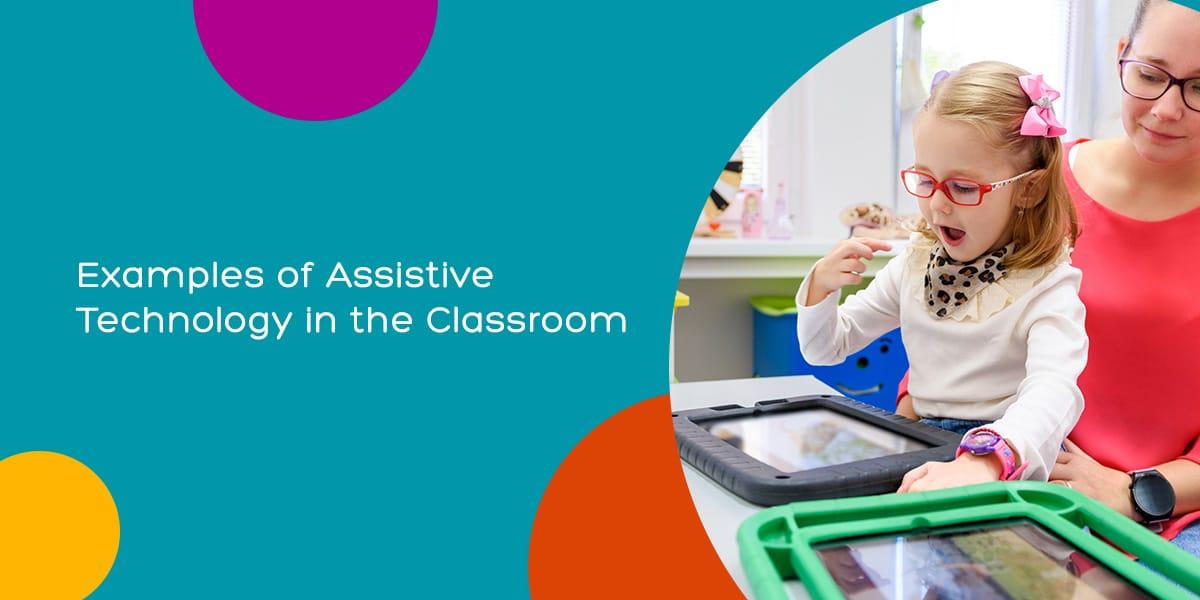
Unlocking Potential: How Assistive technologies Are Transforming Learning Experiences
In today’s rapidly evolving educational landscape, assistive technologies are emerging as powerful tools to unlock the potential of every learner. Whether in elementary classrooms or higher education settings, these innovations are transforming learning experiences by promoting inclusive education, increasing accessibility, and empowering students with diverse learning needs. In this article, we’ll dive into the world of assistive technology in education, exploring it’s benefits, real-world applications, practical tips, and compelling case studies.
What Are Assistive Technologies?
Assistive technologies (AT) include a broad range of software, devices, and tools designed to support individuals with disabilities or learning differences.Their aim is to facilitate access to information, participation in educational activities, and achievement of personal academic goals.
- Hardware: Adaptive keyboards, speech recognition devices, Braille readers, electronic magnifiers.
- Software: text-to-speech and speech-to-text programs, screen readers, word prediction software.
- Applications: Educational apps for dyslexia, visual/auditory processing tools, augmentative and option communication (AAC) software.
These technologies cater to a wide range of needs, including physical, sensory, cognitive, and learning disabilities.
Why Inclusive Learning Matters
Inclusive education seeks to ensure that all students,irrespective of ability,have equitable access to learning resources and opportunities. Incorporating assistive technologies facilitates:
- Reduced barriers to information and classroom participation
- Personalized learning experiences tailored to individual strengths and needs
- Improved academic confidence and self-advocacy skills
- Encouragement of collaboration and social engagement among students
As a result, schools and universities—not to mention employers—are placing a growing emphasis on technology-driven inclusive learning.
Key Benefits of Assistive Technology in Education
Assistive technology is not just about accommodation—it’s about unlocking potential and fostering independence. The key benefits include:
1.Enhancing Accessibility
- Provides equal access to curriculum for students with disabilities
- Bridges gaps for students with temporary injuries or health challenges
- Supports learners in remote and hybrid environments
2. Personalizing Learning
- Adapts materials to suit individual learning styles (visual, auditory, kinesthetic)
- Allows for flexible pacing and self-directed study
- Enables tailored feedback and real-time progress tracking
3.Building Confidence and Independence
- Gives students greater control over their learning experience
- Reduces reliance on classroom aides or instructors
- Promotes self-advocacy and lifelong skills
These benefits make assistive technology in the classroom a fundamental asset for modern education systems.
Popular assistive Technologies Transforming Learning
The following are among the most widely adopted and innovative assistive technologies enhancing today’s learning environments:
- Text-to-Speech (TTS) Tools: Software such as Kurzweil 3000 and NaturalReader read digital text aloud, aiding students with dyslexia, visual impairments, or reading difficulties.
- Speech-to-Text Applications:
Dragon NaturallySpeaking or built-in tools like Google Voice Typing allow students with mobility or writng challenges to transcribe spoken words into written text. - Screen Readers: JAWS and NVDA software enable blind or visually impaired users to navigate digital content.
- Alternative Keyboards & Mouse Devices:
ergonomic keyboards and adaptive mouse devices cater to motor skill difficulties.
- Braille Displays & Embossers:
Transform digital text into tactile Braille for individuals who are blind.
- Augmentative and Alternative Communication (AAC) Devices:
Tools such as Proloquo2Go provide a voice to those with speech impairments.
- Language Translation and Captioning Software:
Real-time captioning and translation help ESL students and those with auditory processing disorders.
Integration of these technologies with learning management systems (LMS) and e-learning platforms further mainstreams their use in education.
Case Studies: Real-World Impact of Assistive Technology in Education
Improving Literacy for Students with Dyslexia
At Lincoln Middle School, the implementation of text-to-speech and word prediction tools led to a 30% betterment in reading comprehension scores among students identified with dyslexia within a single academic year.
Promoting Independence for Visually impaired Students
University of Technology adopted JAWS and accessible course materials across all departments. Students reported an increased sense of autonomy and reduced need for human intervention, translating to higher retention and graduation rates.
Facilitating Communication for Non-Verbal Learners
In an inclusive elementary classroom, Proloquo2Go allowed non-verbal students to actively participate in discussions for the first time, leading to measurable improvements in social and academic engagement.
These cases exemplify the transformative impact of assistive technologies on both academic performance and student well-being.
Practical Tips for Effective Integration of Assistive Technologies
Successfully leveraging the full potential of assistive technology in education requires thoughtful planning and implementation. Here are practical tips for educators and school administrators:
- Assess Individual needs: Conduct assessments to identify specific student requirements and select appropriate AT solutions.
- Involve Stakeholders: Collaborate with students, families, IT staff, and specialists to ensure seamless integration.
- Provide Training & Support: Offer ongoing training sessions for both students and staff to maximize AT effectiveness.
- Promote Digital Literacy: Integrate technology use into the curriculum to build essential workforce skills.
- Regularly Evaluate and Update: Continuously monitor outcomes and keep up with emerging technologies.
- Ensure Accessibility Compliance: Validate that all digital content, devices, and materials meet accessibility standards (such as WCAG).
Future Trends in Assistive Technologies for Education
The future of assistive technologies in education is luminous and holds great promise. Look out for these emerging trends:
- Artificial intelligence Integration: Personalized learning pathways and smarter feedback.
- wearable Technologies: Smart glasses,haptic devices,and wearable AAC tools.
- Universal Design for Learning (UDL): Proactive design of content and environments to be accessible to all.
- Increased Mobile Accessibility: Greater availability on smartphones and tablets.
- Augmented and Virtual Reality (AR/VR): Immersive learning for diverse learners, including those with sensory needs.
As technology continues to evolve, so does the potential for further transformation of the learning surroundings.
Conclusion
Assistive technologies are truly unlocking the potential of learners everywhere, making education more accessible, engaging, and effective for students with diverse needs. By embracing these tools, educators and institutions can foster a more inclusive and empowered learning community. As we look to the future,integrating innovative assistive solutions will remain essential to ensuring that every student can reach their full academic and personal potential.
Ready to explore how assistive technology can transform your classroom or institution? Start today—unlock the doors to limitless learning experiences.