
Unlocking Potential: How Digital Badges Recognise Skills and Achievements in the Modern World
In a rapidly evolving, technology-driven world, recognising and validating skills goes far beyond conventional degrees and paper certificates.
Digital badges have emerged as a revolutionary, secure, and flexible approach to acknowledging competencies, achievements, and learning pathways.
whether you’re an educator, employer, or lifelong learner, understanding how digital badges work and why they matter can help unlock new opportunities for personal and professional growth.
- What Are Digital Badges?
- Why Digital Badges Matter in the Modern World
- Benefits of Digital badges for Learners and organisations
- Practical Ways to Use Digital Badges
- Real-World Examples & Case Studies
- Tips for Successfully Implementing Digital Badges
- The Future of Skills Recognition
- Conclusion
What Are Digital Badges?
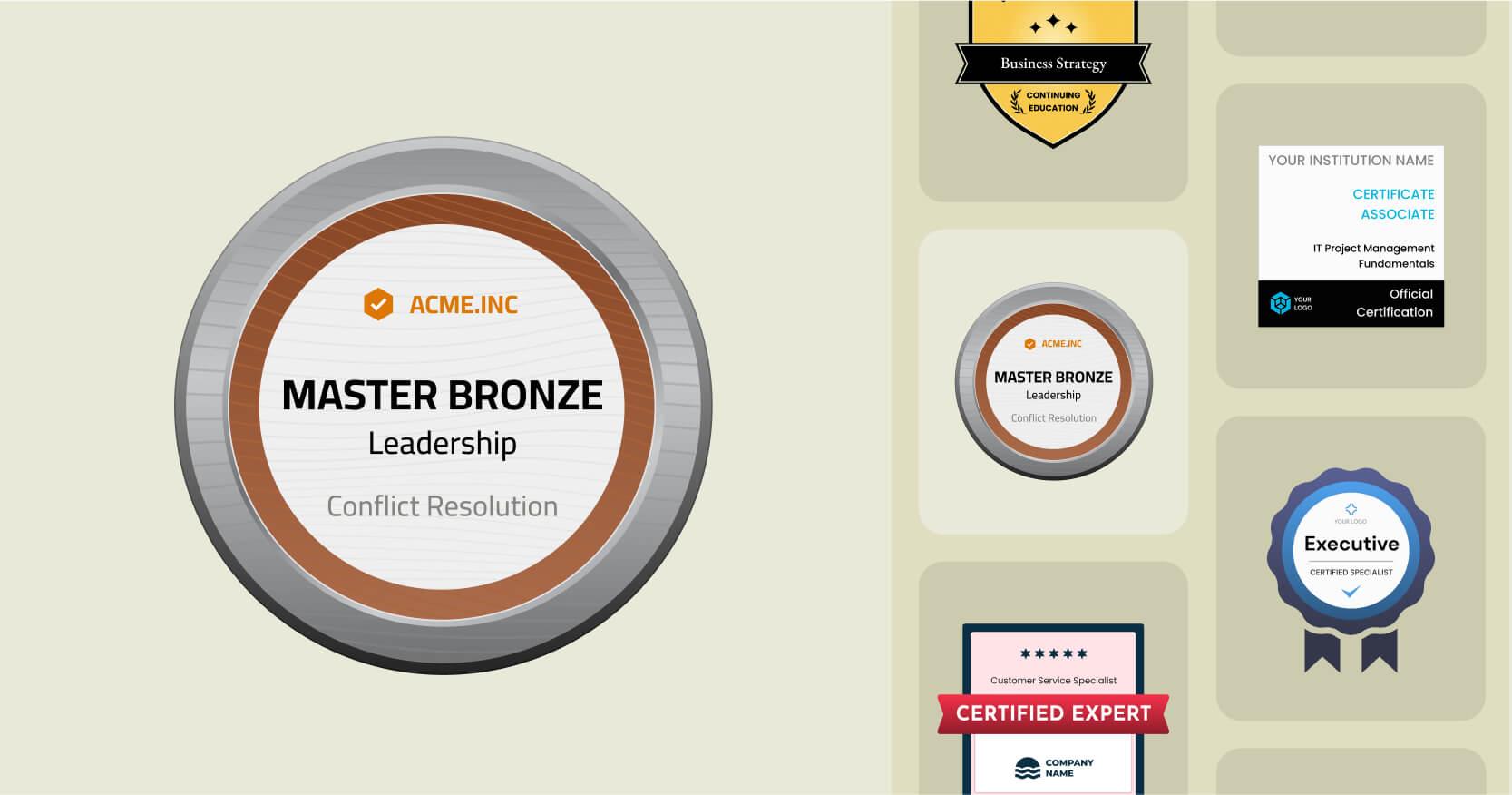
Digital badges are portable, shareable credentials awarded for learning, achievements, or skills. Each digital badge contains metadata that verifies what the badge represents, who issued it, when it was earned, and the criteria for earning it.
These badges use secure digital technology, often built with standards like Open badges, to ensure authenticity and credibility.
How Digital Badges work
- Issuance: An organisation awards a badge for completing a task,course,or demonstrating a skill.
- Verification: Each badge contains tamper-proof data that verifies its validity and links back to the issuer.
- Sharing: Recipients add badges to portfolios, resumes, social profiles (like LinkedIn), or professional websites.
- Recognition: Employers, educators, and peers can review the badge and verify the accomplishment instantly.
Why Digital badges Matter in the Modern World
Today’s workforce and educational landscape are more dynamic than ever. Key trends fueling the adoption of digital badges include:
- Skills Gaps: Contemporary industries value practical skills as much as formal education.
- Micro-Credentials: Bite-sized, focused learning modules like micro-credentials are rising in importance.
- Remote Learning: E-learning platforms,MOOCs,bootcamps,and online courses rely on digital credentials to reward achievements.
- Global Mobility: Digital badges are internationally recognised, making skills transferrable across borders and industries.
As organisations and individuals seek meaningful ways to validate learning and stand out, digital credentials enable a more holistic representation of knowledge, soft skills, and hard skills.
Benefits of Digital Badges for Learners and Organisations
The adoption of digital badges brings important advantages, including:
For Learners
- Instant Recognition: Learners receive proof of skills and achievements as soon as they meet criteria.
- Portability & Sharing: Badges can be showcased across digital platforms and CVs, enhancing employability.
- lifelong Learning Pathways: Earners build a diverse portfolio of one-time and progressive skills over time.
- Motivation & Engagement: Gamification through badges increases participation and motivation.
- Transparency: Employers and peers can verify exactly what was required to earn each badge.
For Educators & Organisations
- Personalised learning: Offer tailored learning experiences by awarding badges for specific competencies.
- Better Analytics: Track learner progress, completions, and skill gaps with data-rich badges.
- Enhanced Branding: Promote your institution’s standards and achievements globally.
- Workforce Development: Map badges to in-demand skills and support organisational objectives.
- Cost-effective Scaling: Issue and manage credentials digitally, reducing paperwork and fraud.
Practical Ways to Use Digital Badges
Here are some practical applications of digital badges across various settings:
- Education: Recognise subject mastery, participation in extracurricular activities, or completion of short courses.
- Corporate training: Validate in-house training, safety protocols, software proficiency, or soft skills development.
- Professional development: award badges for conference participation,workshops,or industry certifications.
- Community & Volunteering: Acknowledge community service, volunteering hours, or leadership roles.
- Recruitment: Screen candidates using verified skills instead of relying solely on traditional CVs.
Real-World Examples & Case Studies
Digital badges have already made a significant impact in various sectors. Here are a few noteworthy case studies:
1. IBM’s Digital Badge Program
IBM pioneered a digital badge initiative to recognise technical skills gained through training and certification programs.
Within just two years, IBM awarded over 2 million badges, resulting in increased workforce engagement and improved hiring outcomes for badge earners.
2. mozilla Open Badges
Mozilla, in collaboration with the MacArthur foundation, launched the Open badges standard to create a universal ecosystem for badge sharing and verification.
This standard is now widely adopted by universities, tech companies, and online learning platforms worldwide.
3.Canvas Learning Management System (LMS)
Educational institutions using Canvas LMS leverage digital badges to reward students for module completion, peer mentoring, and skill mastery.
Teachers report greater student motivation and increased course completion rates with badge implementation.
Tips for Successfully Implementing Digital Badges
Ready to leverage the power of digital badges? here are some best practices for a smooth rollout:
-
define Clear Criteria:
Ensure that badge requirements are obvious and attainable. Outline the specific skills, knowledge, or tasks learners must demonstrate.
-
Choose Credible Issuers:
Badges should be awarded by respected organisations, institutions, or platforms to maintain value and trust.
-
leverage the right Technology:
Select platforms that support recognised standards like Open Badges and provide secure, verifiable metadata.
-
Promote Badge value:
Educate learners,employees,and recruiters on how digital badges substantiate skills and enhance personal branding.
-
Monitor & Improve:
Collect regular feedback and use analytics to refine your badge offerings, ensuring they remain relevant to industry needs.
The Future of Skills Recognition
As digital change continues,the demand for nimble upskilling and reskilling will only grow.
digital badges will become critical in bridging gaps between traditional education, on-the-job learning, and industry requirements.
We can expect:
- Broader Industry Adoption: More sectors and organisations, from healthcare to tech, will use badges for professional certification.
- Integration with Hiring Platforms: Badges will be natively supported on job boards and LinkedIn, streamlining the talent matching process.
- AI-Driven Insights: Data from badges will feed smart career pathways, personalised learning recommendations, and skills mapping.
- Stackable Micro-Credentials: Learners will combine badges from multiple sources to build custom learning journeys and credentials.
Conclusion
Digital badges are changing the way skills and achievements are recognised in the modern world.
They offer a transparent, portable, and future-ready solution for validating what people truly know and can do.
For learners, educators, and employers alike, harnessing the power of digital credentials unlocks potential, creates lasting motivation, and provides a competitive edge in a rapidly shifting landscape.
If you haven’t yet explored digital badges, now is the time to join this movement and start shaping the future of skills recognition!