
Unlocking Potential: How Digital Badges Recognize Skills and Achievements
Digital badges have emerged as a transformative tool in education, professional development, and career advancement.In today’s fast-paced, digital-driven world, recognizing and showcasing skills and achievements is more crucial than ever. digital badges offer a modern, verifiable, and accessible way to highlight talents, motivate learners, and unlock a world of opportunities.
What Are Digital badges?
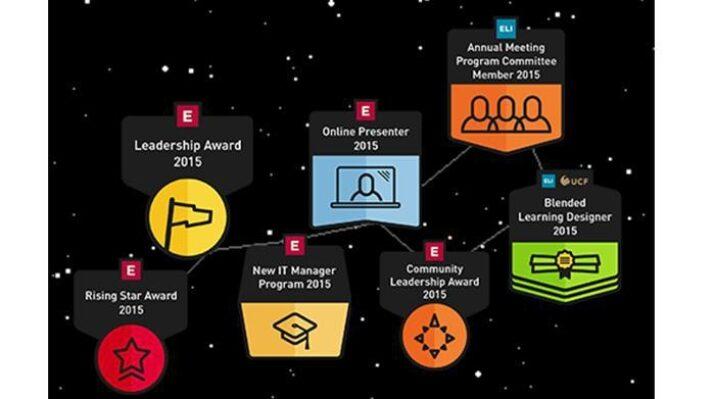
Digital badges are visual, shareable tokens awarded to individuals for acquiring specific skills, completing courses, or achieving milestones. These badges are embedded with rich metadata detailing what skill was learned, who issued the badge, and criteria for earning it. Unlike traditional certifications, digital badges are:
- Portable — Easily shared across digital platforms such as LinkedIn, social media, e-portfolios, and resumes.
- Verifiable — Credentials can be authenticated online, ensuring credibility.
- Stackable — learners can accumulate badges, resulting in a comprehensive, lifelong learning journey.
The Rise of Micro-Credentials
micro-credentials, frequently enough issued as digital badges, are gaining traction in a variety of sectors, from higher education to corporate training. These concise credentials validate specific competencies, enabling learners and professionals to demonstrate expertise in highly targeted areas—a perfect fit for the fast-changing job market.
Why Are micro-Credentials and Digital badges Important?
- Bridging Skill Gaps: As technologies advance, specific skills are in higher demand. Digital badges allow organizations to precisely identify and fill these gaps.
- Encouraging Continuous Learning: The ease and accessibility of earning badges promote a culture of lifelong education.
- Enhancing Employability: Verified digital badges make candidates more attractive to employers by providing tangible evidence of their competencies.
Key Benefits of Digital Badges
The adoption of digital badges offers diverse benefits for learners, educators, and employers. Let’s explore how digital badges unlock potential — both individually and organization-wide:
For Learners
- Motivation and Engagement: Earning visible, shareable badges provides immediate feedback and satisfaction, motivating learners to achieve more.
- Portfolio building: Digital badges create a living, evolving record of skills and achievements, going far beyond traditional transcripts and certificates.
- Personal Branding: Showcasing badges on professional networks helps build credibility and sets individuals apart in competitive job markets.
For Educators and Institutions
- Customizable Recognition: Institutions can design badges to recognize a wide range of competencies, including technical, soft, and emerging skills.
- Data-Driven Insights: Analytics from badge ecosystems help educators understand the effectiveness of their programs and track learner success.
For Employers
- Streamlined Recruitment: Digital badges make it easier for hiring managers to identify candidates with verified, job-relevant skills.
- Employee Development: Badges can support workplace learning and upskilling initiatives, contributing to better talent retention and satisfaction.
how Digital Badges Work: The Issuance and Earning Process
- Skill Acquisition: Learners participate in activities—courses, workshops, projects—that teach a particular skill or impart specific knowledge.
- assessment: Completion of assessments, practical tasks, or project work is required to demonstrate mastery.
- Issuance: Upon meeting preset criteria, an accrediting body issues a digital badge registered on a secure platform.
- Sharing and Verification: Earners can display badges online. employers or other parties can verify badge details via metadata and embedded verification links.
SEO-Focused Use Cases and real-World Case Studies
1. Higher Education: Boosting Career Readiness with Digital Badges
Universities worldwide are integrating digital badges into their curricula to supplement traditional degrees.For example, Michigan State University implemented a digital badge program to recognize students’ mastery of teamwork and leadership. Graduates who displayed these badges on their LinkedIn profiles reportedly received more interview invitations and job offers than those who didn’t.
2. Corporate Training: Accelerating Professional Growth
Enterprise leaders like IBM leverage digital badge systems for employee upskilling. Through IBM’s badge program, staff earn credentials for acquiring cloud, AI, and cybersecurity skills. Over 1 million badges were issued within the program’s launch year, with positive correlations to employee satisfaction and career mobility.
3. Professional Organizations: recognizing Industry Standards
The Project Management Institute (PMI) uses digital badges to acknowledge specialized project management achievements. This new approach encourages ongoing professional development and facilitates clear verification for employers worldwide.
4. Non-profits and Informal Learning: Embracing Lifelong Learning
digital badges are not just for formal education; non-profits like Mozilla Foundation have pioneered badge systems for youth digital literacy and coding programs,making learning accessible and rewarding to underrepresented communities.
Tips for Implementing Digital Badge Programs
to maximize the success of a digital badge initiative—be it for organizations, educational institutions, or training providers—consider these practical tips:
- Define Clear Learning Outcomes: Specify the skills, competencies, or behaviors each badge is meant to recognize.
- Establish Rigorous Assessment Criteria: Ensure badges are awarded for meaningful, demonstrable achievements.
- Choose a Credible issuing Platform: Use recognized platforms (like Credly, Badgr, or Open Badge Factory) for greater reliability and interoperability.
- Promote Badge Value: Educate both learners and employers about what each badge signifies and how it benefits them.
- Encourage Sharing: Make it easy for badge earners to share their badges across social media, digital portfolios, and professional networks to maximize visibility.
Common Questions About Digital Badges
Are digital badges credible?
Yes! Credible badges are backed by reputable organizations and contain verifiable, tamper-proof metadata. Always look for badges issued by recognized bodies and platforms adhering to open standards.
How do employers view digital badges?
Employers increasingly use digital badges as a fast, reliable way to validate candidate skills—especially for specialized or emerging areas not always covered in degrees. Many companies now include badge credentials in their HR and talent management systems.
Can digital badges replace traditional degrees?
Digital badges are best viewed as complements to traditional degrees and certificates. They provide granular documentation of skills and competencies, especially valuable in today’s dynamic job market.
First-Hand Experience: An Interview With a Digital Badge Earner
Maria Perkins, Instructional Designer:
“Earning digital badges for my project management and instructional technology skills helped me land my current role. When I applied, the recruiter specifically mentioned my badges as evidence of ongoing professional learning and real-world readiness. They’ve made a big difference in my career journey!”
Conclusion: Start your Digital Badge Journey Today
Digital badges are revolutionizing skills recognition and achievement in the digital era. By bridging the gap between learning and employability, they empower learners, educators, and employers alike. Whether you’re a student eager to document new skills, a professional seeking advancement, or an organization fostering a culture of continuous improvement, embracing digital badges can unlock untold potential.
Ready to take the next step? Start exploring digital badge platforms, enroll in badge-awarding courses, or consider launching a badge system within your own organization. The future of digital recognition is here—and it’s time for you to shine.