
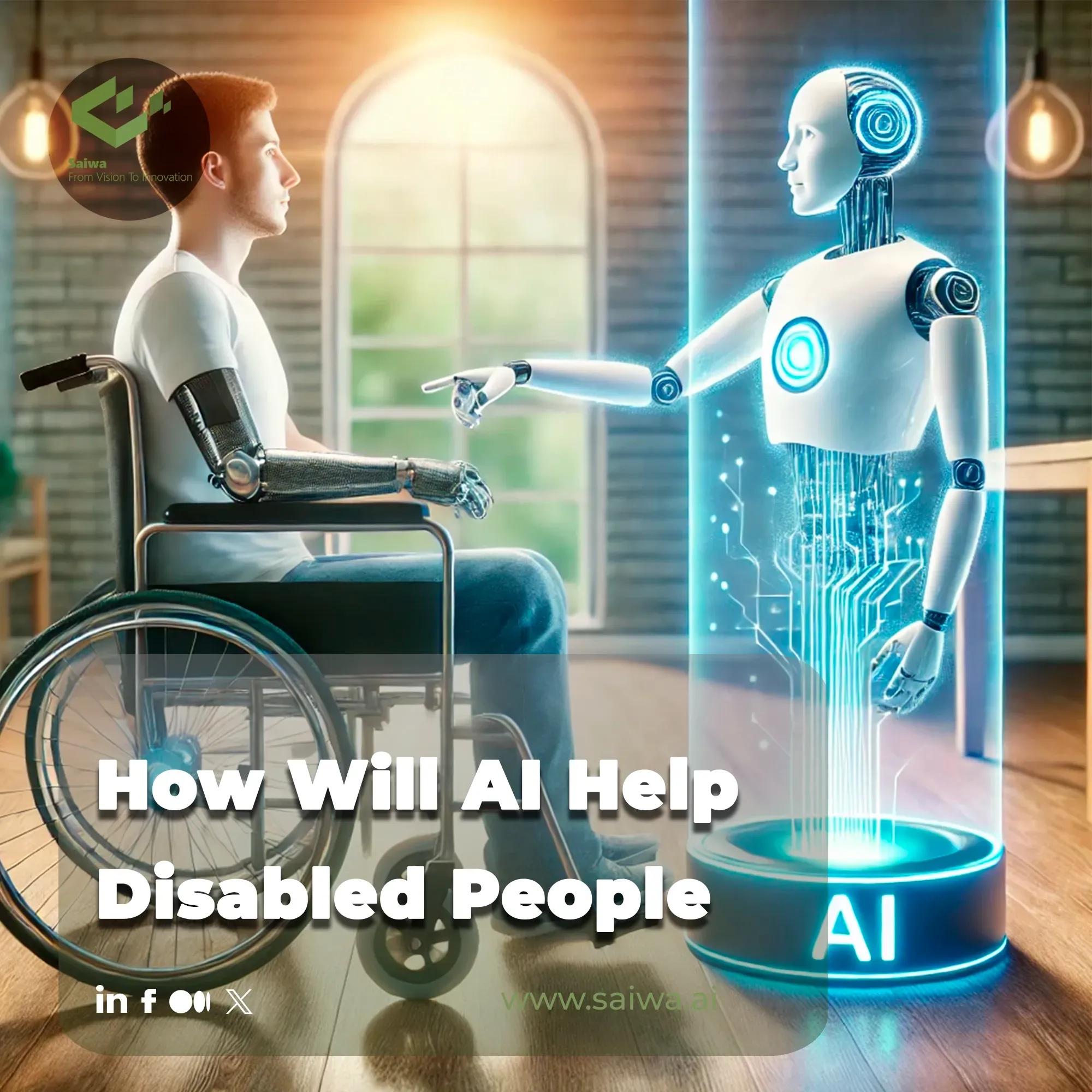
Unlocking Potential: The Role of AI in Supporting Students with Disabilities
Introduction
In today’s digital landscape, artificial intelligence (AI) is reshaping the way we think about education. For students with disabilities, this technological revolution brings newfound hope, possibility, and accessibility. Whether it’s breaking down interaction barriers or offering personalized learning, AI is unlocking the hidden potential within every learner. This article explores how AI is improving educational outcomes and creating a truly inclusive classroom for students with diverse abilities.
The Transformative Power of AI in Education
AI-powered tools and platforms are rapidly redefining the educational experience for students with disabilities. By leveraging advancements in machine learning, natural language processing, and assistive technology, AI delivers tailored solutions that cater to individual learning needs. These innovations foster greater independence, confidence, and academic achievement.
- Personalized Learning: Adaptive AI software customizes lessons to match each student’s pace, abilities, and preferred learning style.
- Real-Time feedback: Intelligent tutoring systems offer immediate guidance and insights, helping students correct errors and master concepts more efficiently.
- Universal Design: AI-driven platforms enhance accessibility by providing features like speech-to-text, text-to-speech, sign language translation, and alternative input methods.
Key AI Applications Supporting Students with Disabilities
1. Speech and Language Recognition Tools
For students with dyslexia, hearing impairments, or speech disorders, AI-powered speech recognition and synthesis tools provide vital support:
- Speech-to-Text: Converts spoken words into written text, aiding students with motor challenges or dysgraphia to complete assignments.
- Text-to-Speech: Reads written content aloud, benefiting those with visual impairments or reading difficulties.
- Language Translation: Real-time sign language interpreters powered by AI break down communication barriers.
2. visual Recognition & Augmented Reality
AI enables students with visual impairments to navigate digital and physical spaces more easily:
- Object detection apps describe the surroundings using a smartphone’s camera.
- Augmented reality overlays additional details to enhance classroom interaction and concept comprehension.
3. Predictive Analytics and Early Intervention
AI algorithms analyze student performance data to identify patterns and potential learning challenges:
- Predicts when students may need additional support, prompting timely interventions from educators.
- Helps customize learning paths for neurodiverse students,fostering a supportive and proactive approach.
The Benefits of AI-Inclusive Education
Incorporating AI into classrooms not only enhances accessibility but also delivers a suite of benefits to students with disabilities:
- boosted Independence: Students gain control over their learning journey, reducing reliance on human assistance.
- Enhanced Engagement: Dynamic multimedia content, interactive assessments, and gamified lessons make learning enjoyable and effective.
- Improved Outcomes: Customized instruction leads to higher academic achievement and greater self-confidence.
Case Studies: Real-World Impact of AI on Students with Disabilities
AI-powered reading Apps for Dyslexia
Tools such as Microsoft’s Immersive Reader employ AI to break text into manageable chunks, highlight words, and read content aloud. Studies reveal that students with dyslexia using these tools show improved reading comprehension and reduced frustration, boosting overall academic participation.
VoiceAssist Devices for Students with Physical Impairments
Devices like Google Assistant and Amazon alexa, powered by AI, allow students with limited mobility to control their environments, set reminders, and access educational resources via simple voice commands.
AI in Video Conferencing for Hearing-Impaired Learners
AI-driven live captioning in platforms like Zoom and microsoft Teams ensures students with hearing impairments can participate fully in virtual lessons, meetings, or group projects, reducing barriers to remote and hybrid learning.
First-Hand Experience: A Parent’s Perspective
“AI-powered reading software changed my son’s life. As a child with dyslexia, he used to dread reading time. Now, with features like voice narration and interactive vocabulary, he feels empowered and keeps up with his classmates.” – Julia, Parent
Testimonials like this echo across families and classrooms, highlighting the power of AI to foster inclusion and achievement for students with disabilities.
Practical Tips for Implementing AI Support Tools
- Collaborate with Stakeholders: Work with educators, parents, and IT professionals to select suitable AI tools that address specific student needs.
- Pilot and Personalize: Test potential platforms and customize settings to maximize usability and effectiveness.
- Ongoing Training: ensure that teachers and students receive regular support and training as technologies evolve.
- Protect Data Privacy: choose AI solutions that comply with GDPR and educational data security standards to safeguard student information.
Challenges and Ethical Considerations
While AI holds huge promise, it’s crucial to navigate challenges responsibly:
- Addressing biases in AI algorithms to prevent discrimination.
- Ensuring accessibility for all disability types—including rare or multiple disabilities.
- Maintaining clarity and accountability in automated decision-making.
- Safeguarding student privacy and obtaining informed consent.
Ongoing collaboration among technology developers, educators, advocacy groups, and families can help ensure AI is implemented ethically and equitably.
Conclusion: AI as a Gateway to Inclusive Education
The integration of AI in supporting students with disabilities marks a paradigm shift in education. From speech recognition to intelligent tutoring, AI dissolves barriers and celebrates diversity. By embracing these technologies thoughtfully,we move closer to realizing the promise of an inclusive,equitable learning habitat—where every student can unlock their true potential.
As the landscape of AI in education continues to evolve, ongoing research, stakeholder engagement, and a focus on ethics will be key.Together, we can use the power of artificial intelligence to inspire, empower, and uplift students with disabilities, making inclusive education a reality for all.