
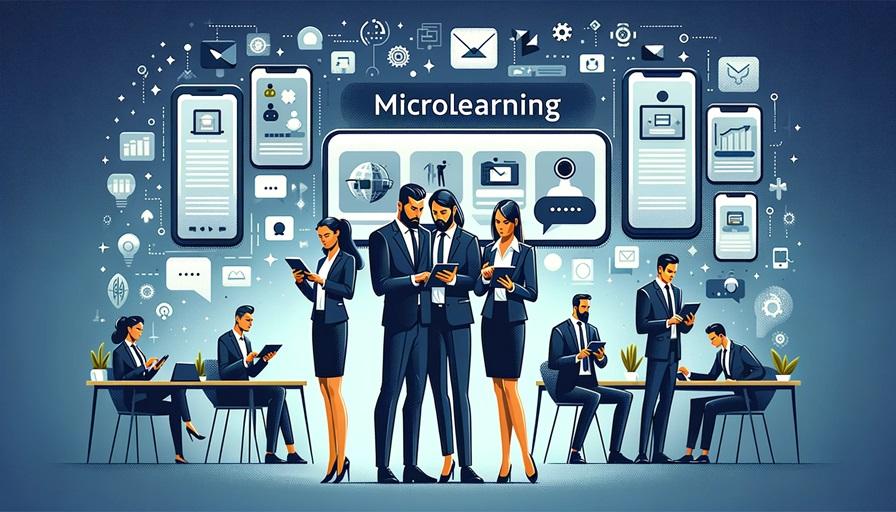
Unlocking Professional Growth: The Key Role of Microlearning in Modern Employee Advancement
Introduction: Embracing the Future of Employee Development
In a fast-evolving business world where digital conversion and rapid innovation are the new norm, employee development has emerged as a central driver of organizational success. Companies must continually upskill their workforce to keep pace with changing technologies, shifting market needs, and global competition. Traditional training models often struggle to match this pace, leading forward-thinking organizations to embrace microlearning as a proven pathway to unlock professional growth and drive performance betterment.
But what exactly is microlearning, and why is it playing such a pivotal role in modern employee development? Read on as we explore the core benefits, practical tips, and real-world examples of leveraging microlearning for workforce transformation.
What Is Microlearning?
Microlearning refers to a method of delivering corporate training and learning content in bite-sized, highly focused lessons or modules—typically spanning just 2 to 10 minutes. Designed for today’s attention-challenged digital learners, each microlearning segment tackles a single learning objective or skill, making knowledge both accessible and actionable whenever and wherever employees need it.
- Format: Videos, interactive quizzes, infographics, podcasts, speedy reference guides, or even short practice challenges.
- Medium: Mobile apps, learning management systems (LMS), emails, or corporate intranets.
- Main Goal: Facilitate just-in-time learning and support daily workflow efficiency.
Why Microlearning Matters for Professional Growth
There are powerful reasons why microlearning in employee development is rapidly gaining traction across industries:
- Combats details overload: Learners internalize and retain information better when it’s delivered in digestible chunks.
- Boosts engagement: Short, relevant modules are more likely to be completed and enjoyed by busy employees.
- On-demand accessibility: Microlearning fits seamlessly into daily routines, allowing employees to upskill during short breaks or on the go.
- Supports continuous learning: encourages a culture of self-directed, ongoing development rather than one-off, large-scale training events.
- Delivers measurable results: Companies report tangible improvements in employee performance, confidence, and productivity.
“Microlearning isn’t just a trend—it’s an effective, learner-driven approach that empowers professionals to grow and thrive in a rapidly changing world.”
Key Benefits of Microlearning in Employee Development
Implementing a microlearning strategy enables organizations to unlock a range of measurable benefits. Let’s dive deeper:
1. Enhanced Knowledge Retention
Studies show that spaced repetition and concise, targeted lessons help learners remember information better. Microlearning aligns with how the human brain processes and stores new knowledge.
2. Increased Engagement and Motivation
- Interactive modules and gamification (e.g., badges, leaderboards) make learning fun and addictive.
- Self-paced progress fosters autonomy and intrinsic motivation, crucial for adult learners.
3. Scalability and Flexibility
Need to quickly onboard new hires or roll out critical updates? Microlearning modules can be created, updated, and distributed at a fraction of the cost and time of traditional courses.
4. Improved Performance Support
- Employees can “refresh” key knowledge right at the point of need, using microlearning as a digital reference tool.
- This on-demand learning reduces error rates and accelerates problem-solving on the job.
5. Data-Driven Insights
modern microlearning software delivers real-time analytics, helping L&D teams monitor usage, quiz outcomes, and skills gaps for ongoing program improvement.
How to Implement Microlearning in Your Employee Training Programs
Ready to leverage microlearning for professional growth in your institution? Here are practical strategies for getting started:
- Assess Learning Needs: Identify mission-critical skills and align microlearning topics with real-world job challenges.
- Develop a Content Plan: Break down complex topics into smaller, standalone learning modules.
- Choose the Right Tools: Invest in a mobile-kind LMS or microlearning platform that enables interactive content and easy tracking.
- Prioritize User Experience: Use compelling visuals, simple navigation, and real-life scenarios to boost engagement.
- Incorporate Feedback Loops: Routinely gather employee feedback to fine-tune modules and address evolving learning preferences.
- Promote a Culture of Continuous Learning: Recognize achievements and integrate microlearning into daily routines and team meetings.
Case Studies: Microlearning in Action
Case Study 1: Accelerating Onboarding at a Tech Start-Up
fast-growing SaaS company TechWave shifted from traditional onboarding to a microlearning approach. New hires accessed short, scenario-based modules covering core software features, customer scenarios, and compliance essentials. Consequently,onboarding time was reduced by 40%,and employees consistently reported higher confidence in their roles.
Case Study 2: Upskilling Frontline Staff at a Retail Chain
Retail giant ShopSmart implemented microlearning through interactive quizzes and daily tips on mobile devices. Sales associates mastered product updates and customer service skills on the floor without leaving their workstations. The initiative increased customer satisfaction scores by 18% in the first six months.
Best Practices for Microlearning Success
- Keep it short and focused: Each module should cover only one learning objective.
- Leverage multimedia: Use video, audio, interactive activities, and real-world scenarios to engage diverse learners.
- Encourage social learning: Allow employees to share insights, experiences, and tips within your LMS or learning app.
- Provide continual access: Make microlearning resources available anytime,anywhere—even offline.
- Align with business goals: Tie modules to key performance indicators (kpis) or organizational objectives.
First-Hand Employee Experiences
“Microlearning has changed the way I approach professional development.I love being able to tackle one concept at a time,right when I need it,instead of sitting through hours of general training.”
— Emma R., Project Coordinator
“the quick tips and challenges on our company’s learning app keep me engaged and motivated to build new skills each week. It feels tailored to my actual job—not just generic training.”
— James W.,Customer Success Specialist
Conclusion: The Future Belongs to Agile,Microlearning-Driven Development
As organizations prioritize agility,adaptability,and employee empowerment,microlearning is rapidly emerging as the gold standard for employee development in the digital era. Its ability to deliver targeted content “just in time,” boost knowledge retention,and engage modern learners makes it indispensable for companies striving for a competitive edge.
By embracing microlearning best practices and integrating them strategically, businesses can unlock continuous professional growth, foster a culture of lifelong learning, and achieve enduring workforce performance.
Ready to transform your employee development strategy? Now is the perfect time to harness the power of microlearning and propel your team toward future success.