
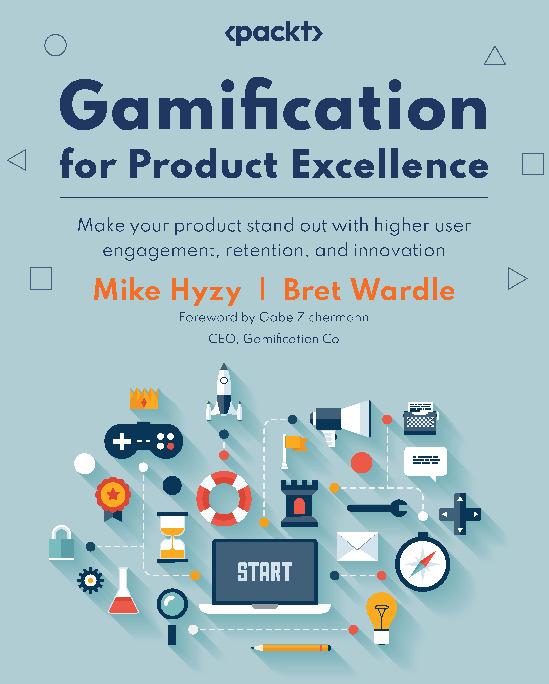
Unlocking Student Engagement: Integrating Gamification into Standard Curricula for Better Learning Outcomes
In today’s fast-evolving educational landscape,student engagement has become both a challenge and a top priority for educators. Introducing gamification into standard curricula is proving to be a game-changer—breathing life into classroom routines and paving the way for improved learning outcomes.In this article, we delve deep into the power of gamification in education, its tangible benefits, real-world case studies, and practical strategies for seamless classroom integration.
What is gamification in Education?
Gamification refers to the application of game mechanics—such as points,badges,leaderboards,challenges,and rewards—into non-game environments.In educational settings, this means incorporating these elements into lessons, assignments, and assessments to foster motivation and participation.
- points & Scores: awarding points for correct answers or completed tasks.
- Badges & Achievements: Recognizing milestones with digital badges or certificates.
- Leaderboards: Encouraging kind competition with class-wide or group-based rankings.
- Quests & challenges: Structuring lessons as missions to unlock with each success.
- Instant Feedback: Providing real-time responses to student input,enhancing learning retention.
Why Does Gamification Increase Student Engagement?
Student engagement is the glue that holds effective learning together. Traditional instructional methods often struggle to capture and retain student attention. Here’s why gamification provides a robust solution:
- Intrinsic Motivation: Gamified systems tap into students’ internal drive for accomplishment, curiosity, and competition.
- Personalized Learning: By adjusting challenges to individual skill levels, students remain engaged and avoid boredom or frustration.
- active Participation: interactive elements, immediate feedback, and tangible rewards transform passive learning into an active experience.
- Social Interaction: Collaborative and competitive aspects of gamification promote teamwork and peer support.
- Visible Progression: tracking achievements and progress boosts confidence and encourages goal setting.
Key Benefits of Gamification in Standard Curricula
Integrating gamification into the classroom extends well beyond fun—it offers measurable improvements in academic achievement and soft skill development. Let’s take a closer look at the most significant benefits:
- Boosts Retention and Recall: Game-based learning has been shown to improve memory retention through repetition and ongoing engagement.
- Promotes Deep Learning: Students are more inclined to explore, experiment, and collaborate, fostering critical thinking and problem-solving.
- Encourages Consistent Participation: Regular rewards, leaderboards, and feedback maintain sustained interest throughout the academic year.
- Supports Differentiated instruction: Gamified classrooms can offer adjustable levels of difficulty, catering to diverse learning needs.
- Enhances Technological Literacy: Leveraging game-based digital platforms prepares students for the digital world.
According to a recent Edutopia survey,over 70% of teachers who implemented gamification saw a noticeable increase in student engagement and classroom performance.
Practical Tips for Integrating Gamification into Standard Curricula
Ready to make learning more dynamic? Here are actionable strategies to help educators introduce gamification elements without overwhelming curriculum goals:
-
Start Small:
- Incorporate simple point systems for homework completion or class participation.
-
Utilize Existing EdTech Tools:
- Platforms like Kahoot!, Classcraft, and Quizizz make gamification easy with ready-to-use templates.
-
Introduce Achievement Badges:
- Reward mastery of new skills or concepts with virtual badges or certificates displayed in an online classroom hub.
-
Design collaborative Challenges:
- Encourage teamwork by setting up group quests or puzzles related to current curriculum topics.
-
Integrate Leaderboards Mindfully:
- Promote healthy competition but remember to also reward effort and enhancement—not just top scores.
-
Gather Ongoing Feedback:
- Ask students for input on what works and what coudl be better—continuous improvement is key.
Real-World Case Studies: Gamification Success in Education
Case Study 1: Gamified Mathematics at Greenwood Middle School
At Greenwood Middle School,the math department introduced a point system for participation and correct answers using the Quizizz app. Students who reached certain point thresholds won digital badges and homework passes. within one semester, teachers reported a 40% increase in homework completion rates and greater willingness among students to participate in class discussions.
Case Study 2: The Biology Scavenger Hunt
As part of a unit on ecosystems, students at Brookside High School took part in a “Biology Scavenger Hunt” using Classcraft’s digital quests. The gamified lesson not only boosted attendance but also improved content recall—as reflected in end-of-term test scores.Teachers noted that quieter students were more likely to contribute in group activities, thanks to the low-pressure, high-reward structure.
Case Study 3: Language Learning Level-Ups
A language arts teacher in an urban California elementary school embedded level-up challenges for vocabulary and grammer. Students “unlocked” the next lesson after completing mini-quests. This approach resulted in stronger language acquisition and a notable improvement in class morale and collaboration.
Tips for Overcoming Common Gamification Challenges
while gamification has many benefits, it’s important to anticipate and address potential pitfalls:
- Avoid Over-Competitiveness: Not all students thrive in competitive settings. Balance individual achievements with collaborative rewards, and provide encouragement for effort rather than just outcomes.
- Align with Learning Objectives: Ensure gamified activities enhance—not distract from—core curriculum goals.Gamification should facilitate meaningful learning, not just entertainment.
- Ensure accessibility: Design gamified activities that accommodate all learners,including those with special needs or limited access to technology.
- Monitor and Reflect: Regularly review student progress and solicit feedback to optimize your gamification strategy.
Frist-Hand Experience: A Teacher’s Outlook
“switching to a gamified classroom transformed my teaching. Previously disengaged students began turning in homework early and showed genuine excitement about new topics. Gamification made learning visible,fun,and,most importantly,attainable for every student—nonetheless of their starting point.”
– Ms. laura Martinez, 8th Grade Science Teacher
Conclusion: The Future of Student Engagement Lies in Gamification
Unlocking student engagement is essential for thriving, impactful education. Gamification in standard curricula offers a proven, flexible methodology for bringing excitement, participation, and tangible results to every classroom. By leveraging the principles of games—and adapting them to curriculum needs—educators can cultivate motivated, confident learners equipped not only with academic knowledge but also with critical life and interpersonal skills.
As you consider weaving gamification into your teaching toolkit, remember: the process can be gradual, collaborative, and tailored to your unique learning habitat. Experiment with different strategies, gather student feedback, and watch as your classroom transforms into a hub of curiosity, creativity, and genuine engagement.
Ready to unlock your students’ true potential? Start small, stay flexible, and let the power of gamification take your curriculum to new heights!