
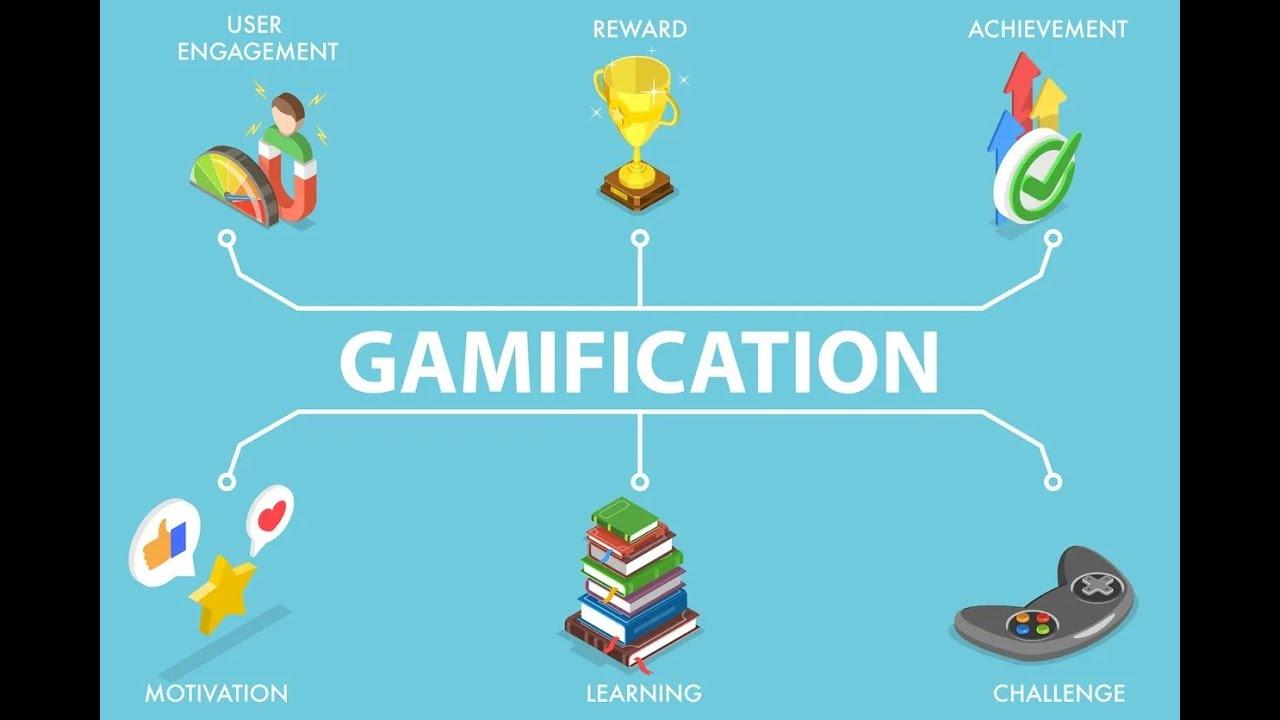
Unlocking Student Engagement: Integrating Gamification into Standard Curricula for Dynamic Learning
Student engagement is the cornerstone of effective education,yet it remains a challenge in classrooms worldwide. As technology and society evolve, educators are turning towards innovative strategies to captivate learners and encourage active participation. One such approach is the integration of gamification into standard curricula.In this comprehensive guide, we’ll uncover how gamification can unlock incredible levels of student engagement, explore its benefits and real-world case studies, and provide actionable tips for educators eager to transform their teaching methods for dynamic learning.
Understanding Gamification in Education
Gamification involves the use of game elements—like points, badges, leaderboards, and challenges—in non-game contexts, such as the classroom. By applying game mechanics to standard curricula, educators can make learning interactive, personalized, and fun.
- Points Systems: Rewarding students for completing tasks, answering questions, or displaying positive behaviors.
- Badges & Achievements: Recognizing milestones, mastery, and special accomplishments.
- Leaderboards: Encouraging healthy competition and tracking progress.
- Quests & Challenges: Assignments are presented as missions or adventures that must be completed.
The primary goal? To leverage the intrinsic motivation found in games—such as curiosity, competition, and achievement—to foster better learning outcomes.
Why Student Engagement Matters
research shows that engaged students are more likely to retain information, show enthusiasm for learning, and achieve higher academically. When students actively participate rather than passively absorb information, their deeper understanding and critical thinking skills flourish.
“Gamification isn’t just about making learning fun—it’s about making learning effective and meaningful.”
Benefits of Integrating Gamification into Standard Curricula
Integrating gamification into teaching isn’t a passing trend—it’s a proven strategy for increasing student motivation and engagement. Here are the key benefits:
- Enhanced Motivation: Students are encouraged to participate and complete assignments when progress is visible and rewarded.
- Active Learning: Gamification transforms passive lessons into interactive experiences—students engage with material, peers, and teachers directly.
- Immediate feedback: Game elements allow for instant feedback, helping students understand errors and successes in real-time.
- Social Collaboration: Group quests and challenges promote teamwork and interaction among students.
- Personalized Learning: Adaptive gamified activities can cater to varying ability levels and learning styles.
- Resilience & Persistence: Repeated attempts and “leveling up” foster a growth mindset and increased perseverance.
Practical Tips: How to Integrate Gamification into Your Classroom
Ready to get started with gamification? Here are actionable strategies you can implement in your standard curricula:
- Start Small: Begin by adding one or two game elements,such as badges for reading achievements or a class leaderboard for math challenges.
- Align with Learning Objectives: Ensure each gamified activity reinforces curriculum goals and standards.
- Use Digital Tools: Embrace platforms like Kahoot!, classcraft, and Quizizz to create interactive activities and quizzes.
- Create Quests: Reframe large assignments or projects as “quests” with clear objectives, rewards, and checkpoints.
- Encourage Collaborative Play: Design team-based competitions and group challenges to build social skills and collective knowledge.
- Provide Regular Feedback: Make feedback instant and visual—progress bars, leveling up, and digital certificates.
- Celebrate Achievements: Highlight student progress with classroom displays, online showcases, or parent-newsletters.
Case Studies: Gamification’s Transformative Power in Education
Let’s examine real-life examples where gamification has revolutionized classroom engagement and learning effectiveness:
1.Classcraft in Middle School Science
A middle school in Illinois replaced customary homework assignments with Classcraft missions.Here, students formed teams and completed quests—solving science problems and simulations. The result? Homework completion rates soared from 60% to 95%, and classroom participation doubled. Teachers reported higher engagement, improved peer collaboration, and fewer behavior incidents.
2. Mathematics with Kahoot!
An elementary school introduced weekly Kahoot! quizzes to reinforce math concepts. Students earned points and badges for speed and accuracy. Test scores increased by 15% over two months, while students expressed greater enthusiasm for math as a subject.
3. University Language Learning via Duolingo
At a major university, beginner language courses incorporated Duolingo for homework. Leaderboards motivated students to practice regularly, and competitive tournaments added excitement. The result was a meaningful increase in vocabulary acquisition and completion rates compared to previous semesters.
First-Hand Experience: Educator Perspectives
to illustrate the impact of gamification, we gathered insights from teachers who have adopted these strategies:
“Gamification changed the energy in my classroom. Students who where previously shy or disengaged became team leaders and creative problem-solvers. Our class quests built more than academic skills; they built confidence and community.” — Emily R., 5th Grade Teacher
“I used leaderboards and points to reward participation and homework. Students started working together, and those who struggled academically felt included. It transformed the learning surroundings entirely.” — Mark S., High School Math Instructor
Best Practices and Potential Pitfalls
While the benefits are numerous, effective gamification requires mindful implementation. Here’s what to watch for:
- Equity & Inclusion: Ensure all activities are accessible and engaging for diverse learners, avoiding competition that discourages teamwork or participation.
- Balance Fun & Learning: Game elements should not overshadow core educational objectives.
- Feedback & Review: Regularly solicit student feedback and be willing to adapt game mechanics as needed.
- Privacy & Safety: Protect student data when using digital tools and platforms.
Gamification Tools and Resources for Educators
- Kahoot! – Create engaging, competitive quizzes for all ages.
- Classcraft – Turn your classroom into a role-playing adventure.
- Quizizz – Interactive quizzes with real-time feedback and leaderboards.
- Duolingo – Gamified language learning platform.
- google Classroom & Microsoft Teams: Integrate badges, rewards, and interactive assignments using built-in features or add-ons.
Conclusion: Charting the Future of Dynamic Learning
Unlocking student engagement through gamification represents a dramatic shift towards dynamic learning and greater academic achievement. By thoughtfully integrating game-based elements into standard curricula, educators can foster intrinsic motivation, collaboration, and curiosity.The evidence is clear—gamification not only makes learning enjoyable but also enhances outcomes and builds stronger classroom communities.
Whether you’re an experienced educator or just starting your teaching journey,now is the time to experiment with gamification. By embracing new strategies and tools, you’ll transform passive learners into active participants—unlocking a world of dynamic, meaningful education for every student.
Ready to level up your classroom? Integrate gamification today,and witness the difference in student engagement and achievement!