
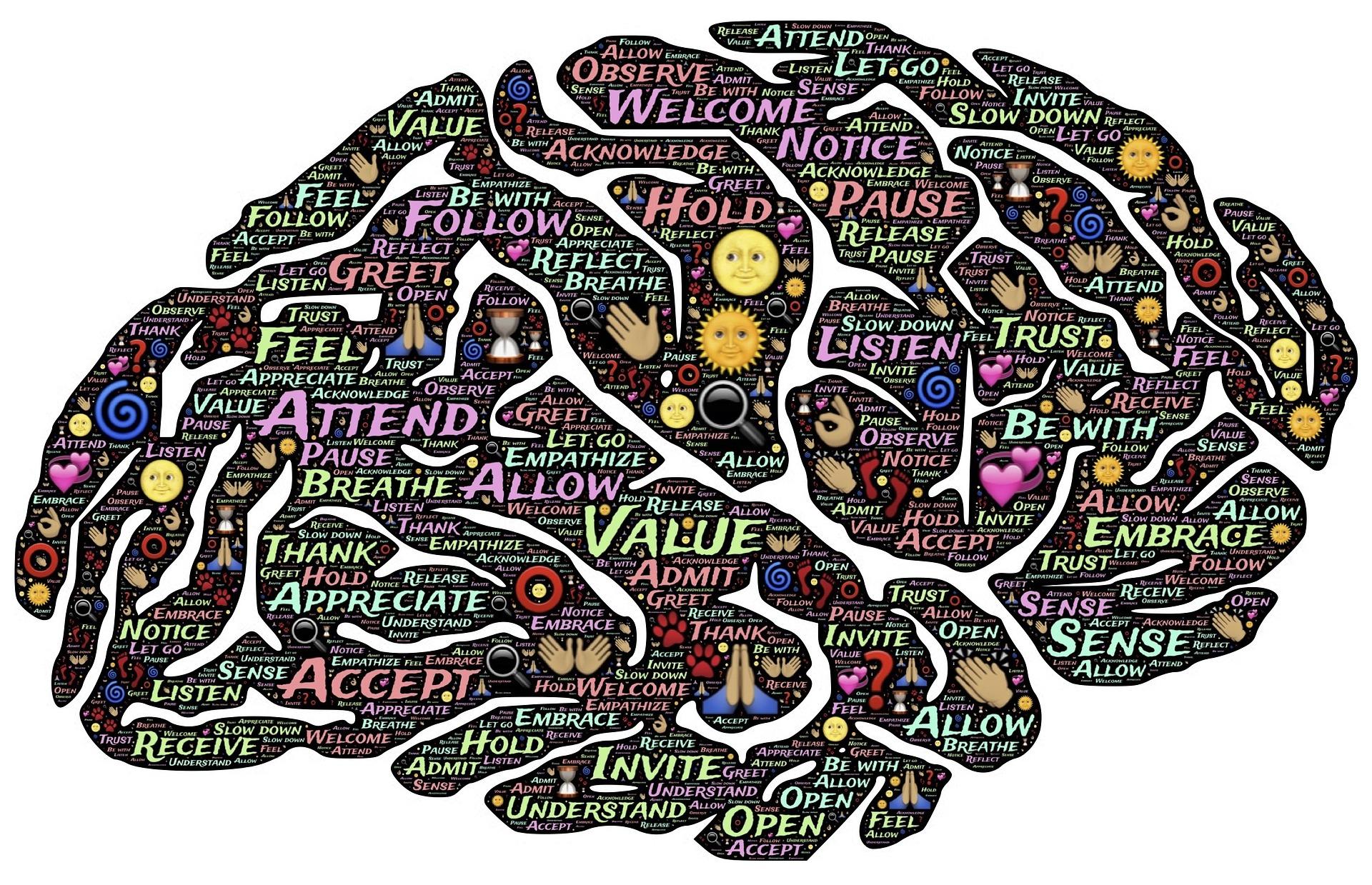
Unlocking student Potential: The Powerful Role of Mindfulness in Education
In the fast-paced and often high-pressure world of modern education, students face mounting academic and social demands. Despite the proliferation of new teaching strategies and technologies,one timeless approach is making a profound impact: mindfulness in education. In this article, we’ll explore the science-backed benefits, practical implementation strategies, and real-world success stories that prove mindfulness is a cornerstone to unlocking student potential.
What Is Mindfulness in Education?
Mindfulness refers to the practice of bringing one’s attention to the present moment in a non-judgmental way. Within educational settings, mindfulness encompasses techniques and activities designed to help students become more aware of their thoughts, feelings, and environment. By fostering a culture of presence, mindfulness supports academic achievement, emotional resilience, and positive school climates.
The Science-Backed Benefits of Mindfulness for Students
A growing body of research confirms that integrating mindfulness practices into schools can yield a wide range of benefits for students of all ages. Here’s how mindfulness empowers learners:
- Improved Academic Performance: studies show that mindfulness in classrooms can enhance concentration, working memory, and cognitive versatility—key components of academic success.
- Reduced Stress and Anxiety: Mindful breathing and focus exercises help students manage the stress and anxiety common in high-stakes educational environments.
- Enhanced emotional Regulation: Mindfulness teaches children to recognize and process their emotions, leading to better decision-making and conflict resolution skills.
- Greater Engagement and Motivation: Students who practice mindfulness are more engaged,motivated,and present during lessons.
- Positive Classroom Environment: Mindful schools report fewer disciplinary issues and improved relationships among peers and teachers.
Key Takeaway: Mindfulness is a powerful tool for both academic and social-emotional progress, making it a top priority for educators aiming to unlock student potential.
Mindfulness Techniques and Best Practices in the classroom
Incorporating mindfulness does not require a complete curriculum overhaul. Here are some practical, easily-adopted strategies:
- mindful Breathing: Guide students in short, focused breathing exercises at the start or end of class to center their minds.
- Body Scan Meditations: Lead students in a brief check-in with their physical sensations to foster the mind-body connection.
- Gratitude journaling: Encourage students to write what they’re thankful for, to cultivate a positive mindset.
- Mindful Movement: Integrate yoga or simple stretches to help students release tension and refocus their attention.
- Listening Activities: Practice active listening in pairs or groups to enhance empathy and dialogue skills.
tip: Consistency is key. Even brief, daily mindfulness activities can yield long-term benefits for students and teachers alike.
Case Studies: Schools Unlocking Student Potential with Mindfulness
Case Study 1: Mindful Schools Programme
One district in california partnered with the Mindful Schools program, training staff to deliver mindfulness lessons. Over the school year, classrooms reported a 58% decrease in behavioral problems and noticeable improvements in academic engagement.
Case Study 2: urban Elementary School Success
At a busy New York City elementary school, teachers introduced morning mindfulness circles. Within a semester,there was a significant reduction in disciplinary referrals,and both students and teachers reported feeling calmer and more connected.
Case Study 3: High School Mindfulness Integration
A Chicago public high school made mindfulness part of their health curriculum. After one year, students showed improvements in standardized test performance and described feeling better equipped to handle academic pressures and peer conflicts.
First-Hand Experiences: Educators and Students Share Their Insights
“Since starting each day with a five-minute breathing exercise, my students settle in faster and are more focused when it’s time to learn. Even the most anxious kids seem more at-ease.”
– Mrs. Rodriguez, 4th grade Teacher
“I used to get really nervous before tests. Practicing mindfulness helped me breathe,calm down,and remember what I studied.”
– Jordan, High School Student
How to Begin Your Mindfulness Journey in Education
If you’re an educator, parent, or school leader keen to harness the power of mindfulness in education, here’s how to get started:
- Start Small: Begin with short mindfulness exercises—just a few minutes each day can make a big difference.
- train Staff: Consider attending professional development workshops or online courses to build mindfulness facilitation skills.
- Involve Families: Share mindfulness resources and tips with parents to reinforce the practice at home.
- Measure Impact: Track changes in student behavior, engagement, and well-being to evaluate effectiveness.
- Use Evidence-Based Programs: Explore established programs such as MindUP, .b (pronounced “dot-be”), and Inner Explorer.
Resources:
Frequently Asked Questions About Mindfulness in Education
Is mindfulness scientifically proven to benefit students?
Yes. Numerous peer-reviewed studies highlight improvements in attention, behavior, and emotional regulation among students practicing mindfulness.
How much time does mindfulness require?
Even a few minutes daily can yield significant benefits. Schools often start with brief activities and build up gradually.
Can mindfulness replace traditional social-emotional learning?
Mindfulness complements, rather than replaces, broader social-emotional learning (SEL) frameworks. It enhances core SEL skills such as self-awareness, self-regulation, and empathy.
Conclusion: A Mindful Revolution in Education
In today’s dynamic educational landscape, mindfulness isn’t just a trend—it’s a transformative practice that unlocks the vast potential within each student. From boosting academic achievement to fostering emotional intelligence and resilience,mindfulness in education offers considerable,science-backed advantages.by embracing mindfulness, schools empower students to thrive academically, socially, and personally. Now is the time to cultivate a mindful generation of learners—one breath, one moment, and one classroom at a time.
Ready to unlock the full potential of your students? Start integrating mindfulness into your educational community today and witness the results for yourself!