
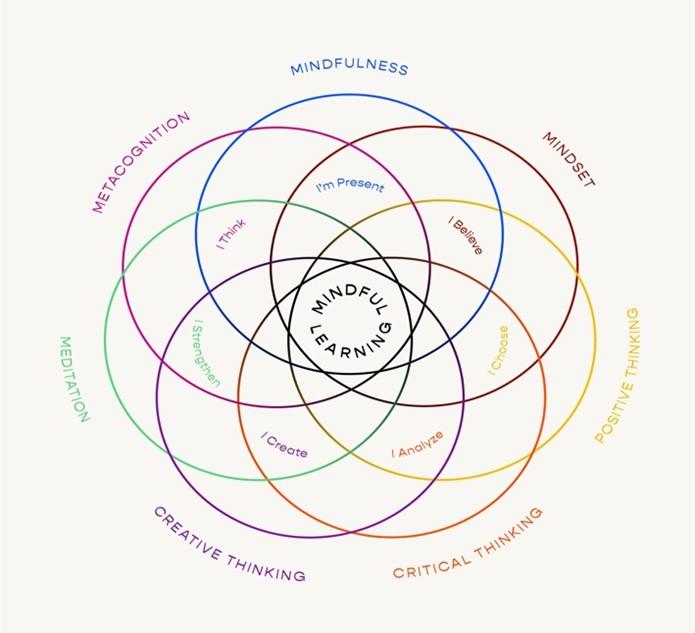
Unlocking Student Potential: The Role of Mindfulness in Education for Enhanced Learning and Well-Being
In today’s fast-paced, high-demand academic world, educators and parents alike are searching for innovative and effective strategies to empower students.One approach—gaining momentum worldwide—is integrating mindfulness in education. When implemented thoughtfully, mindfulness unlocks student potential, boosts academic achievement, and supports lifelong emotional well-being. In this comprehensive guide, we’ll explore how mindfulness shapes the modern classroom, examine its lasting benefits, and offer practical tips to nurture mindfulness for enhanced learning.
What is Mindfulness in Education?
At its core,mindfulness involves intentionally focusing one’s attention on the present moment with openness,curiosity,and without judgment. In educational settings, mindfulness programs teach students to recognize their thoughts and emotions, manage stress, and cultivate greater self-awareness—all key components in promoting a positive learning environment.
- Practices include deep breathing, guided visualization, mindful listening, and body scans.
- Activities are often integrated into daily classroom routines or as dedicated mindfulness sessions.
- students learn to pause, reflect, and respond thoughtfully rather than react impulsively.
why Mindfulness matters: Key Benefits for Students
Mounting research highlights the profound impact of mindfulness in education. Incorporating these practices into classrooms unlocks student potential in several critical ways:
1. Enhanced Academic Performance
Mindfulness cultivates attention control and memory retention, setting students up for academic success. By training their minds to focus, students are less distracted and better able to absorb new details.
- Improved test scores and reading comprehension
- Increased motivation and engagement in learning
- Fewer classroom disruptions and off-task behaviors
2. Emotional and Social Well-Being
Self-regulation and emotional intelligence are crucial for lifelong well-being. Mindfulness fosters positive social interactions and reduces symptoms of anxiety, stress, and depression.
- Heightened self-awareness and empathy for others
- Reduction in bullying and conflict among students
- resilience in the face of challenges and setbacks
3. Improved Teacher-Student Relationships
Not only does mindfulness support students, but it also enhances teachers’ well-being. Educators who practise mindfulness report less burnout and stronger, more positive connections with their students.
real-World Success Stories: Case Studies
Schools across the globe have witnessed remarkable transformations after embracing mindfulness in education. Let’s look at a few inspiring case studies:
Mindful Schools, California, USA
The Mindful Schools program provided mindfulness training to over 2,000 students and teachers. Evaluations revealed:
- Reduction in suspensions and office referrals
- Improved emotional regulation and classroom focus
- Positive feedback from both students and staff regarding school climate
Reach High, UK
In the UK, the Reach High project integrated daily mindfulness exercises into the school day for high-needs students. The result?
- Decreased test anxiety and heightened exam readiness
- Greater sense of belonging and self-worth among students
- Teachers noted a calmer,more focused classroom atmosphere
Practical Tips: Introducing Mindfulness Practices in Schools
Ready to unlock student potential through mindfulness? Here’s how educators and school leaders can get started:
Integrate Short Mindfulness Breaks
- Begin or end each class with a 2-5 minute breathing or visualization exercise.
- Use chimes or calming music to signal transition into “mindful mode.”
Model Mindful Behavior
- Teachers should practice mindfulness themselves,modeling presence and emotional regulation.
- Create a supportive environment that honors pauses and reflection.
Create Safe Spaces for mindfulness
- dedicate a classroom corner as a “calm zone” with sensory tools, books, and guided meditation recordings.
- encourage students to use these areas when overwhelmed or stressed.
Leverage Technology
- Apps like Headspace for Educators or calm Schools provide age-appropriate guided meditations.
- Set up a mindfulness resources page on your school website for students and parents.
Engage Families and Communities
- Host parent mindfulness nights or share take-home activities.
- Partner with local organizations for mindfulness workshops or speaker events.
First-hand Experience: The student Perspective
Many students report that mindfulness made a tangible difference in their school experience. Here are a few common themes:
- “I use belly breathing now before tests. It helps calm my nerves and I remember more.”
- “When I get angry with my friends, I take a minute to notice how I feel rather of yelling.”
- “Our class feels nicer. We help each other more and don’t argue as much.”
These anecdotal accounts echo research findings: regular mindfulness practice leads to meaningful improvements in academic focus, classroom harmony, and student well-being.
Mindfulness in Education: SEO-Driven FAQs
- What age group benefits most from mindfulness in education?
- Mindfulness is effective across all age groups—from early childhood through high school and beyond. Activities can be tailored for developmental appropriateness.
- How frequently enough should mindfulness practices be used in the classroom?
- Starting with short, daily sessions (2-10 minutes) is optimal. Consistency is key for lasting benefits.
- Are there risks associated with mindfulness in schools?
- Mindfulness is generally safe and beneficial. Ensure practices are inclusive, secular, and voluntary to respect all backgrounds.
Conclusion: The Future is Mindful
By unlocking student potential with mindfulness, schools invest not only in academic achievement but in the holistic well-being of their students. As ongoing research and firsthand experiences reveal, mindful education transforms classrooms into thriving, compassionate communities where every student has the tools to learn, cope, and excel. Now is the time to embrace mindfulness in education—and watch students shine,both in and out of the classroom.
Ready to foster a brighter, more resilient future? Start integrating mindfulness in education and help students realize their true potential today!