
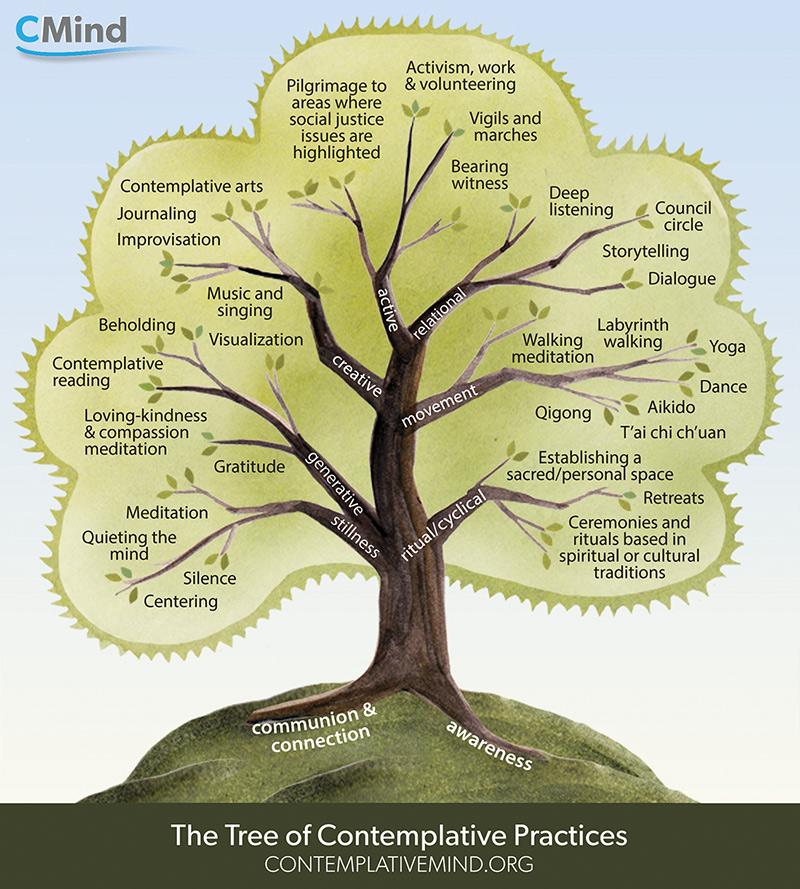
Unlocking Student Potential: The Role of Mindfulness in Modern Education
In an era defined by rapid technological advancements and ever-evolving educational paradigms, educators are relentlessly searching for impactful ways to unlock student potential. Among the most promising approaches is integrating mindfulness in education. this innovative practice offers a holistic path to academic excellence, emotional strength, and lifelong success, reshaping the modern classroom into a haven for growth and wellbeing.
What is Mindfulness in Education?
Mindfulness refers to the practice of being present, aware, and attentive in the current moment, without judgment. When applied to the educational setting, mindfulness encompasses techniques and activities designed to help students focus, regulate their emotions, and respond skillfully to academic challenges. This transformative approach is not just a fleeting trend—it’s backed by research demonstrating its effectiveness in boosting academic performance and nurturing personal development.
Key Benefits of Mindfulness for Students
Adopting mindfulness practices in the classroom delivers a wide range of advantages, both academically and emotionally. Here are some compelling reasons why educators are embracing mindfulness in modern education:
- Improved Focus and Attention: Mindfulness exercises help students enhance their concentration, making it easier to absorb and retain data.
- reduced Stress and Anxiety: Techniques such as mindful breathing can lower stress levels, promoting a calm and positive learning environment.
- Better Academic Performance: Numerous studies reveal that students practicing mindfulness show increased test scores and intellectual engagement.
- Enhanced Emotional Intelligence: Mindfulness fosters self-awareness, empathy, and better peer relationships.
- Resilience and Coping Skills: Students learn to manage setbacks constructively and recover from challenges efficiently.
Mindfulness Practices Used in Modern Classrooms
There are various mindfulness strategies for students that educators incorporate into daily routines. The following practices are easy to implement, effective, and adaptable for diverse age groups:
- Mindful Breathing: Short breathing exercises guide students to center their attention and regulate emotions, perfect for transitions between subjects or before assessments.
- body Scans: Encourages students to notice physical sensations, helping them relax tension and build self-awareness.
- Gratitude Journaling: Writing about things for which students are grateful helps cultivate positivity and resilience.
- Guided meditation: Audio or video meditations can be integrated into classroom routines to foster calmness and self-regulation.
- Mindful Movement: Gentle yoga stretches or movements encourage connection between mind and body, promoting energy and relaxation.
- Focused Listening: Activities that involve careful listening to sounds or music can sharpen concentration and presence.
Practical Tips for Implementing Mindfulness in Education
- Start Small: Begin with brief, simple activities like mindful breathing for 2-3 minutes at the start of class.
- integrate Daily: Consistency is key. Introduce mindfulness at routine intervals—before tests, after lunch, or during transitions.
- Encourage Voluntary Participation: Allow students to opt-in and respect those who are hesitant about new techniques.
- Use Multisensory Approaches: Combine visual, auditory, and movement-based mindfulness to cater to different learning styles.
- Professional Development: Teachers should attend workshops and training to deepen their understanding of mindfulness and its benefits.
- Create a Supportive Environment: Foster a classroom culture that values openness, respect, and self-care.
Case Studies: Mindfulness in Action
Schools around the globe have reported remarkable changes in overall well-being and academic results after integrating mindfulness into their curricula. Here are a few inspiring examples:
Baltimore’s Robert W. Coleman Elementary School
Rather of customary detention, disruptive students are sent to a dedicated mindfulness room where they practice deep breathing and meditation. The result? Notable decreases in suspensions and improved classroom behavior.
MindUP Program (global)
Implemented in over 1,000 schools worldwide, the mindup curriculum blends neuroscience with mindfulness exercises. Outcomes include better focus, increased empathy, and higher academic achievement.
San Francisco Unified School District
Students and teachers participate in twice-daily mindfulness sessions, reporting reduced stress and improved resilience against academic pressure.
First-Hand Experiences: Voices from the Classroom
Teachers and students alike testify to the transformative impact of mindfulness in education.
“Mindfulness gives me tools to handle stressful tests.I feel calmer and more confident now.” – Emily, 10th Grade Student
“Introducing daily mindful breathing in my classroom has reduced conflicts and anxiety. Students are more willing to listen and collaborate.” – Mr. Chen, Middle School Teacher
Challenges and Considerations
While mindfulness offers considerable benefits, its accomplished integration requires careful planning. Teachers may face skepticism, lack of training, or limited time within already-packed schedules. Addressing thes concerns involves:
- Providing Education: Inform faculty and parents about scientific evidence supporting mindfulness.
- Allocating time: Embed short activities rather than lengthy sessions to fit tight schedules.
- Inclusive Practices: Adapt exercises for students from diverse backgrounds and learning abilities.
Gradual adoption,ongoing support,and community engagement are vital for lasting success.
Conclusion: Building the Future with Mindfulness
Mindfulness in modern education is no longer a novelty—it’s a powerful strategy to unlock every student’s potential.By fostering emotional intelligence,enhancing focus,and cultivating resilience,mindfulness prepares learners not just for exams,but for life’s broader challenges. As schools embrace this holistic vision, they shape environments where every child can thrive academically, socially, and personally.
To truly transform education, the commitment must extend beyond short-term interventions. Continuous teacher training, curriculum integration, and supportive school policies are essential. The journey toward mindfulness is ongoing,but its profound impact on student potential is clear—with calm minds,open hearts,and focused spirits,the possibilities are limitless.