
Unlocking Success as a Data Visualisation Specialist in EdTech: Skills, Roles & Career Path
Are you passionate about turning data into powerful stories that drive educational outcomes? With the rise of digital transformation in education, institutions are increasingly relying on data-driven decisions. One of the moast in-demand roles in this landscape is the Data Visualisation Specialist in EdTech. Whether you aim to work at universities, colleges, or schools, mastering the art of visualizing educational data can open doors to exciting and impactful career opportunities.In this comprehensive guide, we’ll explore the skills required, key responsibilities, career growth prospects, benefits, and actionable advice for job seekers looking to make their mark in this dynamic field.
Why Data Visualisation Matters in EdTech
With the explosion of data in education—from student performance metrics to institutional analytics—transforming raw data into insightful, actionable visualizations has become paramount. Universities, colleges, and schools depend on Data Visualisation Specialists to:
- Understand and improve student learning outcomes
- Evaluate the effectiveness of online and blended learning tools
- Optimize resource allocation and administrative effectiveness
- Monitor and report on institutional goals and compliance
EdTech leaders recognize that data visualization bridges the gap between complex datasets and practical, informed decision-making among educators, administrators, and policy makers.
Who is a Data Visualisation Specialist in EdTech?
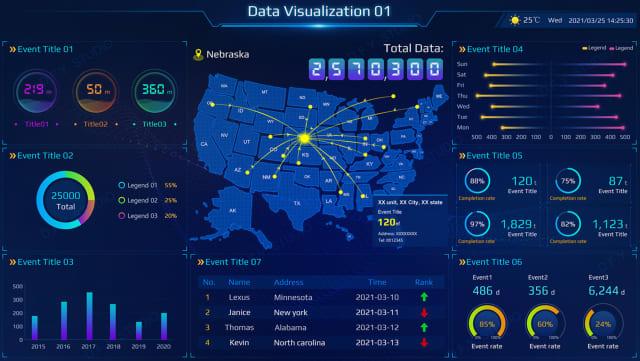
A Data Visualisation Specialist in educational technology is responsible for designing, developing, and maintaining dashboards, charts, and interactive reports that turn complex educational data into comprehensible visual stories. They work closely with academic staff, IT professionals, and decision-makers to support data-driven strategies across all levels of an educational institution.
Key Work environments
- Universities and colleges: Supporting institutional research, academic performance analysis, and strategic planning.
- K-12 Schools: Tracking student progress, attendance, and programme effectiveness.
- EdTech Companies: Developing analytics dashboards for learning management systems and other educational platforms.
Essential Skills for a Data Visualisation Specialist in EdTech
Standing out as a Data Visualisation Specialist in the EdTech industry requires a well-rounded blend of technical abilities,analytical thinking,and communication skills. Here are the most sought-after competencies:
Technical Skills
- Data Analysis: Strong grasp of educational data structures,analytics,and data mining methodologies.
- Visualization Tools: Expertise in leading platforms like Tableau, Power BI, Google Data Studio, and D3.js.
- programming Languages: Proficiency in Python, R, SQL, or JavaScript for data processing and automation.
- Database Management: Familiarity with SQL databases (e.g., MySQL, PostgreSQL) and data warehousing concepts.
- Data Cleaning: Ability to preprocess, cleanse, and validate diverse educational datasets.
Analytical & Soft Skills
- Critical Thinking: Translating educational challenges and institutional goals into effective visualization solutions.
- Attention to detail: Ensuring data accuracy and meaningful insights without misinterpretation.
- Storytelling: Presenting data-driven narratives tailored to different audiences (educators, administrators, students).
- Collaboration: Working in multidisciplinary teams across IT, academic departments, and governance.
- Project Management: Handling multiple analytics requests and adhering to timelines and priorities.
Key Responsibilities of a Data Visualisation Specialist in EdTech
While responsibilities may vary depending on the institution and its size, here are the core duties typically associated with this role:
- Collecting and analyzing diverse educational datasets (enrollment, performance, engagement, retention rates, etc.)
- Designing and maintaining dynamic dashboards and reports for real-time institutional insights
- Collaborating with academic and administrative staff to identify visualization needs and opportunities
- Translating complex analytics into accessible graphics and visual aids for non-technical users
- Ensuring data privacy, security, and compliance with institutional and legal standards (e.g., FERPA, GDPR)
- Staying updated with EdTech trends, best practices, and cutting-edge visualization techniques
- Training staff and stakeholders to interpret and leverage data visualizations effectively
Career Path and Advancement Opportunities
The demand for Data Visualisation Specialists in the education sector is on the rise, providing excellent career mobility. Here’s how you can advance in this field:
- Entry-Level: Start as a Junior Data Analyst or Assistant Data Visualisation Specialist, helping senior staff with data gathering and basic dashboard creation.
- Mid-Level: Progress to Data Visualisation Specialist or Data Analytics Lead, owning projects and collaborating deeply with institutional leaders.
- senior-Level: Move into roles such as Analytics Manager, Head of Institutional Research, or Chief Data Officer, leading analytics strategy across the organization.
- Specialization: Diversify into data science, machine learning, or EdTech product management for broader opportunities.
Continuous learning through courses, certifications, and EdTech conferences can further accelerate your growth.
Benefits of Becoming a Data Visualisation Specialist in EdTech
Pursuing a career as a Data Visualisation Specialist in universities, colleges, or schools comes with multiple rewards:
- High Impact: Enable positive change in educational outcomes by facilitating evidence-based decisions.
- Career Mobility: Opportunities to work in various educational settings, edtech startups, or consulting roles.
- Competitive Salaries: Specialists with strong visualization and analytical skills are highly valued and well-compensated.
- Work-Life Balance: Many academic institutions offer flexible schedules,hybrid work,and generous benefits.
- Personal Fulfillment: Satisfaction from supporting educational missions and student success.
Practical Tips for Job Seekers in Data Visualisation for EdTech
If you’re aiming to land a role or excel as a Data Visualisation Specialist in EdTech, here are some actionable strategies:
Build a targeted Portfolio
- Showcase real or simulated projects (e.g., interactive dashboards, student performance analyses) tailored to educational audiences.
- Highlight your ability to transform raw data into visually engaging, user-friendly reports.
Stay tech-Savvy
- Keep up with the latest visualization tools relevant to the edtech market.
- Explore open-source libraries and experiment with integrating visualizations into learning platforms.
Network in the Education Sector
- Join professional groups related to EdTech analytics and educational data science.
- Attend industry webinars, workshops, or local meetups to connect with potential employers and stay current with trends.
Emphasize Communication Skills
- Practice presenting visualization insights to non-technical audiences in a clear and compelling manner.
- Develop guides or documentation that make it easy for stakeholders to interpret dashboards.
Pursue Continuous Learning
- Enroll in online courses or certifications in data visualization, educational analytics, or EdTech software.
- stay updated with education policies influencing data usage and privacy.
Conclusion: Shaping the Future of Learning with Data
The role of a Data Visualisation Specialist in EdTech offers a unique and rewarding pathway for professionals who enjoy merging technology, education, and analytics.As universities, colleges, and schools continue to embrace digital transformation, your skills in bringing clarity to complex data will be vital to supporting educators and learners alike. By mastering technical tools, honing analytical thinking, and developing a strong portfolio, you can unlock impactful career opportunities while making a tangible difference in the world of education.
If you’re ready to embark on this journey, start building your skills and connections today—the future of EdTech needs visual storytellers like you!