
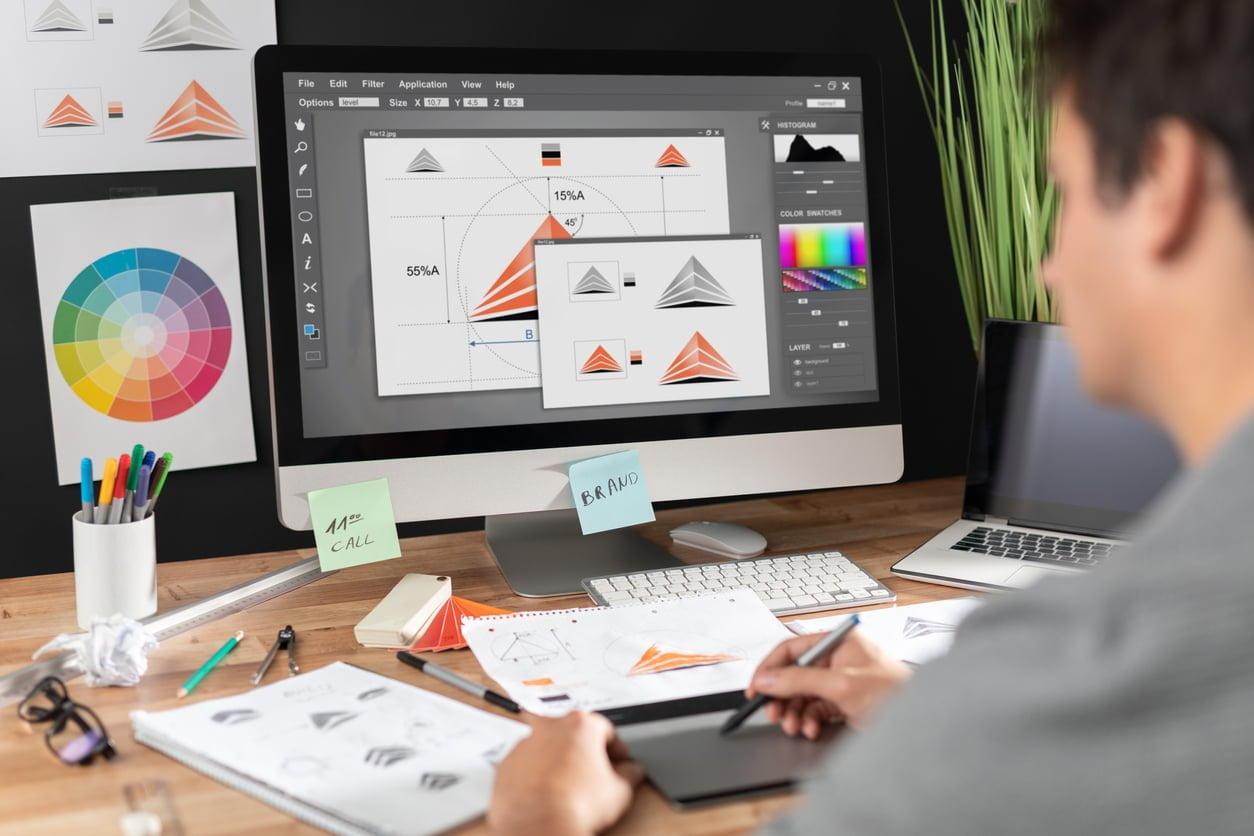
Unlocking Success as a Visual Designer in E-Learning: Essential Skills & Trends for 2024
Are you passionate about design,education,and technology? Visual designers in e-learning play a crucial role in shaping compelling,accessible,and impactful digital educational experiences at universities,colleges,and schools. With the rapid growth of education technology, mastering the latest visual design skills and staying ahead of key trends is the perfect way to unlock a rewarding career in 2024. This guide explores the essential abilities, industry trends, benefits, and practical tips for job seekers looking to thrive as visual designers in edtech.
Why Visual Design matters in E-Learning
Effective visual design elevates e-learning by merging creativity with pedagogy. A skilled visual designer enhances educational platforms through:
- Engagement: stimulating attention and fostering interactivity.
- Clarity: Presenting complex information in a clear,digestible manner.
- accessibility: Ensuring content is usable for diverse learners.
- Brand Consistency: Reflecting institutional identity across digital assets.
Modern universities, colleges, and schools prioritize compelling visuals to boost student motivation and improve learning outcomes, making the visual designer role integral to EdTech teams.
Essential Skills for Visual Designers in Education Technology
Prosperous visual designers in e-learning possess a blend of technical proficiency, pedagogical awareness, and creative flair.The following skills are in high demand for 2024:
1. Expertise in Graphic Design Tools
- proficiency in Adobe Creative Suite (Photoshop, Illustrator, Premiere Pro, After Effects)
- Experience with Figma, Sketch, or Canva for rapid prototyping
- SVG, infographic, and icon creation for digital environments
2. UI/UX design fundamentals
- Wireframing, prototyping, and user testing
- Understanding of responsive design and mobile-first principles
- Designing for learning management systems (LMS) like canvas, Moodle, or Blackboard
3.Accessibility and Inclusive Design
- Knowledge of WCAG guidelines and ADA compliance
- Designing for colour-blindness,screen readers,and different device types
- Creating equitable experiences for all students
4. Motion Graphics and Multimedia Production
- Animation for microlearning modules
- Video editing and integration
- Branded educational media for social platforms
5. Visual Storytelling for education
- Infographics, diagrams, and explainer graphics
- Narrative-driven layouts that support learning objectives
- Designing interactive content that guides students through lessons
6. Collaboration and Communication Skills
- Working with educators, instructional designers, and software engineers
- Translating educational goals into visual solutions
- Comfort with project management and iterative feedback
Top Visual Design Trends in E-learning for 2024
Keeping up with visual design trends ensures yoru work stands out and remains relevant. Here are the most influential trends shaping EdTech visual design in 2024:
- Personalized Learning Interfaces: Customizable dashboards and adaptive visuals for unique learning paths.
- Microlearning Visuals: Brief, focused graphic modules supporting just-in-time learning.
- Immersive Media: Integration of AR, VR, and 360-degree videos to provide experiential learning.
- Minimalist and clean Design: Simple layouts, ample white space, and clear typographic hierarchy for better focus.
- Dark Mode and Custom Themes: Catering to learner preferences and accessibility needs.
- Interactive Elements: Clickable infographics, animated feedback, and gamified learning visuals.
- Data Visualization: Refined charts, dashboards, and visual analytics to aid comprehension.
- Inclusive design and Multicultural Imagery: Reflecting diverse users and global perspectives in visual content.
benefits of Working as a Visual Designer in Education Technology
For those aiming to make an impact in academia, a career as a visual designer in EdTech delivers unique professional and personal rewards.
- Purpose-Driven Work: Directly contribute to positive learning experiences and student success.
- Creativity Meets Impact: Every design decision can improve educational outcomes.
- Job Stability and Growth: Demand for EdTech professionals remains strong as digital learning expands.
- Continuous Learning: Exposure to new tools, methods, and subject matter fuels ongoing growth.
- Collaborative Environment: Work with diverse teams in innovative, forward-thinking settings.
Practical Tips for Landing a Visual Designer Job in E-Learning
How can aspiring visual designers stand out in the competitive landscape of education technology? Follow these strategic steps to boost your career prospects:
1. Build an Education-Focused Portfolio
- Showcase e-learning modules, LMS interfaces, infographics, or student-centric content
- Highlight projects demonstrating accessibility, strong UI/UX, and learning goals
- Provide context for each design: what educational challenge did it address?
2. Gain Experience with EdTech Tools and Platforms
- Volunteer, freelance, or intern with schools, colleges, or non-profits
- Experiment with LMS platforms and create sample layouts or templates
- Take online courses in instructional design and digital accessibility
3. Stay Current with Industry Trends
- Follow EdTech blogs, podcasts, and news for the latest design developments
- Attend conferences and webinars focusing on visual design in education
- Network with professionals using LinkedIn or academic communities
4. Master Collaboration skills
- Work closely with educators, administrators, and progress teams
- Practice presenting your design concepts to non-design stakeholders
- Seek feedback to iterate and improve user experience
5. Highlight Transferable Skills on Your Resume
- Include proficiency in graphic and UI/UX tools (Adobe, Figma, etc.)
- Mention any experience with e-learning, accessibility, or instructional design
- Emphasize problem-solving, communication, and project management abilities
Preparing for Visual Designer Interviews in EdTech
Interviewing for a visual designer role at a university, college, or school? Here’s how you can prepare to impress:
- review their existing digital learning resources and suggest improvements.
- Demonstrate knowledge of educational standards and accessibility requirements.
- Present real-life examples showing how your work improved learner outcomes.
- discuss how you stay on top of EdTech design trends and adapt to changing needs.
- Show readiness to collaborate and address feedback constructively.
Growth and Advancement Opportunities
A visual designer in educational technology can shape their own growth trajectory. Options for advancement include:
- Transitioning into Instructional Designer or UX Lead roles
- Specializing in motion design, multimedia production, or content strategy
- Becoming a design manager or EdTech product owner overseeing digital conversion
- Pursuing certifications in accessibility, UI/UX, or educational technology
Conclusion: Shaping the Future of Learning Through Design
Visual designers are vital change-makers in modern education technology, shaping how students learn, engage, and succeed in universities, colleges, and schools.by honing essential skills, embracing trends, and pursuing growth opportunities, you can unlock a dynamic career that blends artistry, technology, and purpose.If you’re ready to make a meaningful difference in EdTech, start building your portfolio, stay ahead of the latest innovations, and bring your passion for learning and design to the heart of the classroom—online or on campus.
The future of education is visual, interactive, and accessible.Are you prepared to design it?