
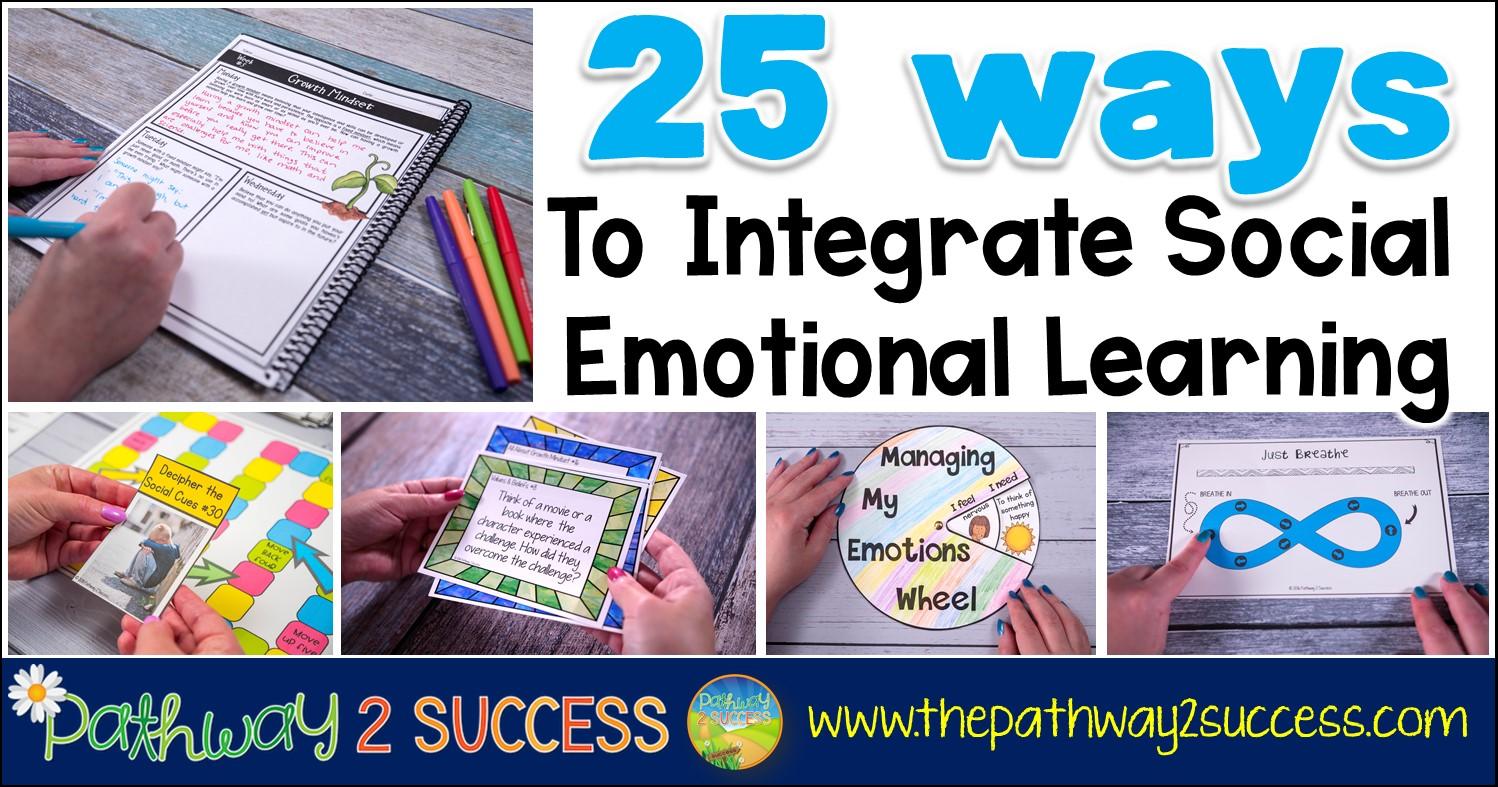
Unlocking Success: effective SEL Strategies for Students with Special Needs
Empowering educators and caregivers with proven Social-Emotional Learning (SEL) strategies designed for students with special needs,fostering inclusive academic and emotional growth.
Introduction
In today’s diverse classrooms,educators are constantly seeking ways to support the academic,social,and emotional needs of all students. Students with special needs often face unique challenges that require tailored approaches to thrive. Social-Emotional Learning (SEL) has emerged as a critical framework to unlock the potential within every learner,providing tools to navigate emotions,build relationships,and make responsible decisions.In this article,we dive deep into effective SEL strategies for students with special needs,offering evidence-based insights,practical tips,and inspiring case studies for educators,parents,and stakeholders.
Understanding SEL and Special Needs
What is Social-Emotional Learning (SEL)?
Social-Emotional Learning is the process through which individuals acquire and apply knowledge, skills, and attitudes to understand and manage emotions, set and achieve goals, feel and show empathy, establish positive relationships, and make responsible decisions. SEL is essential for overall student success and well-being.
Why SEL Matters for Students with Special Needs
- Enhanced self-awareness and self-regulation for students with learning disabilities, autism, ADHD, and other special education needs.
- Improved communication and interpersonal skills for building friendships and collaborating in group settings.
- Reduced behavioral challenges and increased engagement in academic activities.
- Greater resilience in the face of social and academic adversity.
Benefits of SEL for Students with Special Needs
when appropriately implemented,SEL strategies for special needs students can lead to transformational outcomes. Key benefits include:
- Improved Emotional Regulation: Students learn how to recognize and appropriately express their feelings, reducing outbursts and frustration.
- Increased Social Engagement: SEL fosters communication, cooperation, and the ability to build and sustain relationships.
- Greater Academic Participation: By addressing emotional barriers, students feel safer and more motivated to participate and learn.
- Personalized Support: SEL allows educators to address individual strengths and challenges beyond academics, promoting holistic advancement.
Effective SEL Strategies for Students with special Needs
1. Use Visual Supports and Social Stories
- Visual schedules help ease transitions and reduce anxiety by showing what to expect throughout the day.
- Social stories use simple narratives and images to demonstrate social expectations and positive behaviors.
2. Explicit Instruction and Modeling
- Teach SEL skills directly through role-playing, modeling, and practise.
- Break down skills such as recognizing emotions, making friends, or resolving conflicts into manageable steps.
3.Incorporate Assistive Technology
- Utilize apps and interactive tools designed for communication and emotion regulation.
- Adaptive devices can personalize communication for nonverbal students or those with limited verbal skills.
4.Foster Safe and inclusive Learning Environments
- Establish predictable routines to create a sense of safety and consistency.
- Promote a culture of acceptance where differences are valued, and every student feels seen and heard.
5. collaboration and Family Engagement
- Partner with families, therapists, and specialists to reinforce SEL skills at school and at home.
- encourage families to use common language and strategies, ensuring consistency and mutual support.
6.Emotional check-ins and Personalized Support
- Integrate daily emotional check-ins using visuals or mood meters so students can express how they feel.
- one-on-one support with counselors, special educators, or SEL coaches to address unique needs as they arise.
Practical Tips for Implementing SEL in special Education
- Differentiation is key: Adapt activities to each student’s developmental level and preferences.
- use multi-sensory approaches: Combine visual, auditory, and tactile elements for more effective learning.
- Encourage peer interaction: Pair or group students for collaborative tasks, fostering inclusion and friendship.
- Integrate SEL across the curriculum: Incorporate emotional and social learning into daily lessons, not just seperate activities.
- Monitor progress: Use checklists,observations,and student self-assessments to track SEL growth and adjust strategies.
Case Study: SEL in Action for a Student with Autism
Meet Daniel, a 9-year-old student diagnosed with autism spectrum disorder (ASD). In the conventional classroom, Daniel struggled with unpredictable changes and engaging with peers, resulting in frequent meltdowns and social withdrawal.
Implementation of SEL Strategies:
- visual supports: Teachers provided Daniel with a visual daily schedule and used social stories for upcoming events or transitions.
- Emotional check-ins: Daniel used a “feelings chart” every morning, selecting a face that matched his mood. This nonverbal tool gave him a safe way to communicate emotions.
- Explicit instruction: Staff modeled appropriate ways to join in group activities and problem-solve minor conflicts.
- Family engagement: Daniel’s parents received resources and training for reinforcing these SEL concepts at home.
Outcome: Over six months, Daniel’s ability to navigate changes improved, his meltdowns decreased, and he formed his frist friendship—showcasing the profound impact of consistent SEL strategies tailored to his needs.
First-Hand experience: Educator Perspective
“Integrating SEL strategies in my special education classroom transformed not only my students’ academic outcomes but their confidence and joy in learning. Visual routines,daily check-ins,and collaborative problem-solving paved the way for a supportive and inclusive environment. Every small SEL victory is a giant leap for my students.”
— Amanda R., Special Education Teacher
Conclusion: Building a Future of Inclusion and Growth
The journey of supporting students with special needs extends far beyond academics.By integrating effective SEL strategies into daily routines and curriculum, educators and families can empower every child to build meaningful relationships, regulate emotions, and achieve personal milestones. SEL is not a one-size-fits-all approach; it thrives on personalization, patience, and collaboration. As we continue to prioritize inclusive education, let’s unlock the full potential of every learner—nurturing not only smarter but also kinder, more resilient individuals.
For more resources, tips, and success stories on SEL for students with special needs, subscribe to our newsletter and join the conversation in creating classrooms where every student can shine.