
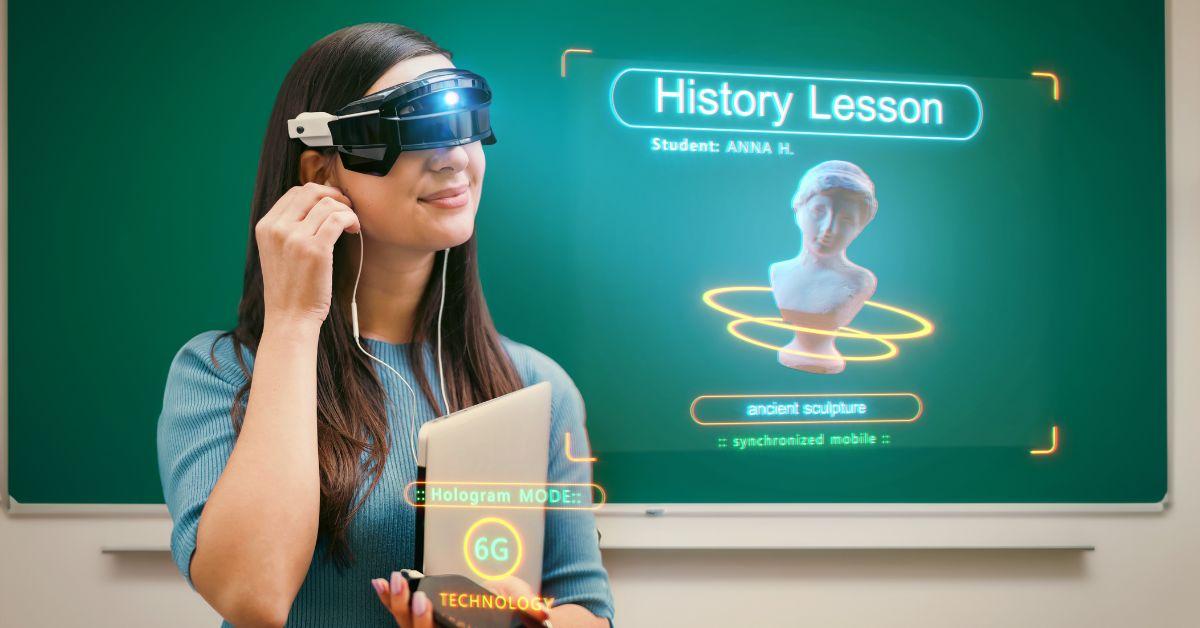
Unlocking Success: effective Training strategies for Teachers Using VR/AR Tools
the landscape of education is evolving rapidly, and immersive technologies like Virtual Reality (VR) and Augmented Reality (AR) are at the forefront of this transformation. As schools and institutions increasingly adopt these powerful digital tools, it becomes essential for educators to receive effective training in VR/AR to unlock their full teaching potential. In this article, we explore practical strategies and best practices for training teachers to integrate VR/AR tools confidently into their classrooms, enhancing both teaching and learning experiences.
Why VR/AR in Education Matters
VR and AR technologies are more than innovative tech trends—they are reshaping how teachers engage with students and present complex concepts. by providing immersive and interactive learning environments, VR/AR:
- Enhances student engagement through realistic simulations and gamified learning experiences.
- Bridges the gap between theory and practice by allowing students to explore and experiment beyond the limits of a customary classroom.
- Supports personalized learning for diverse learners by catering to different learning styles.
Key Benefits of Training Teachers in VR/AR Tools
Teacher training in VR/AR offers numerous advantages not onyl for educators but also for students, schools, and the broader educational community:
- Improved Instructional Techniques: teachers gain skills to create, deploy, and manage immersive lesson plans.
- Confidence in Technology Use: Targeted training boosts educators’ comfort level with integrating emerging technologies.
- Collaboration and Innovation: VR/AR training encourages peer collaboration, sharing of best practices, and continuous innovation in teaching methods.
- Better Learning outcomes: Trained educators can leverage VR/AR to foster deeper understanding, critical thinking, and retention in their students.
Effective Training Strategies for Teachers Using VR/AR Tools
to unlock the full benefits of VR and AR in the classroom, a structured and comprehensive training approach is essential. Here are some proven strategies for preparing educators to succeed with immersive technology:
1.Begin with a Strong foundation
- Overview of VR/AR Concepts: Introduce basic principles, devices, and terminology to ensure all participants have a shared understanding.
- Safety and Accessibility: Teach best practices for using VR/AR hardware safely and making lessons accessible for all students.
2. Hands-On, Experiential Learning
- Interactive Workshops: provide live demonstrations and let teachers explore VR/AR applications in a guided setting.
- Sandbox Environments: Allow educators to experiment freely without the pressure of performing in a real classroom.
3. Integrate Real Classroom Scenarios
- Lesson Plan Development: train teachers to design and adapt lesson plans that incorporate VR/AR elements aligned with curriculum standards.
- Peer Collaboration: Promote group activities where educators collaboratively create immersive lesson experiences.
4.Offer Ongoing Support and Resources
- Continuous Professional Development (CPD): Establish regular training sessions, webinars, and refresher courses.
- Online Resource Libraries: Curate a repository of lesson plans, tutorials, and troubleshooting guides.
- Mentorship Programs: Pair novice VR/AR users with experienced mentors for personalized guidance and knowledge sharing.
5. Address Assessment and Feedback
- Assess Implementation: Utilize qualitative and quantitative methods to evaluate how well teachers are integrating VR/AR tools.
- Gather Student and Teacher Feedback: Use surveys and interviews to collect insights for further advancement.
Best practices for Teacher Training in VR/AR
Implementing VR/AR-based teacher training successfully requires attention to several best practices:
- Start Small, Scale gradually: Launch pilot programs before full-scale adoption to refine training approaches.
- Personalize Training: Offer differentiated learning pathways to accommodate various skill levels and teaching subjects.
- Encourage Reflective learning: Prompt teachers to reflect on their VR/AR teaching experiences to identify areas for growth.
- Promote Inclusivity: Ensure accessible resources and guidance for educators with varying tech proficiency and backgrounds.
- Foster Community: Build supportive learning communities where teachers can share tips, resources, and success stories.
Case Studies: Real-World Impact of VR/AR Teacher Training
Several educational institutions have successfully implemented VR/AR training for teachers, reaping measurable benefits:
lincoln Middle School, Texas
- Initiative: Launched a semester-long VR/AR training program for science and history teachers.
- Results: Teachers reported higher student engagement and proficiency in complex subjects such as biology and ancient civilizations.
Tower Hill School, UK
- Initiative: Adopted an integrated digital training approach with self-paced AR modules and peer group workshops.
- Results: Teachers felt empowered to blend AR apps with traditional teaching, leading to improved subject comprehension and more dynamic lesson delivery.
Practical Tips for Sustained Success
- Stay Updated: Follow trends and updates in VR/AR technology to incorporate the latest tools into your teaching.
- solicit Ongoing Feedback: Regularly ask students and colleagues for feedback to refine your VR/AR classroom strategies.
- Leverage Online Communities: join professional forums and social media groups focused on educational technology and immersive learning.
- Create a Support Network: Collaborate with IT staff and fellow teachers to troubleshoot and innovate together.
- Reflect and revise: After each VR/AR lesson, reflect on what worked well and adjust your approach as needed.
First-Hand Experience: A Teacher’s Journey with VR
“Initially, I felt intimidated by VR technology,” shares Sarah Johnson, a high school biology teacher. “But after hands-on training and support from my colleagues, I quickly realized its potential for transforming my lessons. Guiding students through a virtual journey inside the human heart made anatomy come alive in a way I could never achieve with textbooks alone. My students became more curious, asked deeper questions, and remembered concepts far better.”
Sarah’s experience exemplifies how effective teacher training in VR can empower educators, foster creativity, and inspire a genuine love of learning among students.
conclusion
In a rapidly digitizing educational ecosystem, training teachers in VR/AR tools is crucial for maximizing the impact of immersive learning.Through foundational skills, hands-on experience, peer collaboration, and ongoing support, educators can harness VR and AR to unlock student engagement, comprehension, and achievement. By implementing the training strategies outlined above, schools can ensure teachers are well-equipped to lead the next generation of learners into an exciting future powered by immersive technology.
Ready to begin your journey? Embrace VR/AR professional development and join a community of educators at the forefront of educational innovation!