
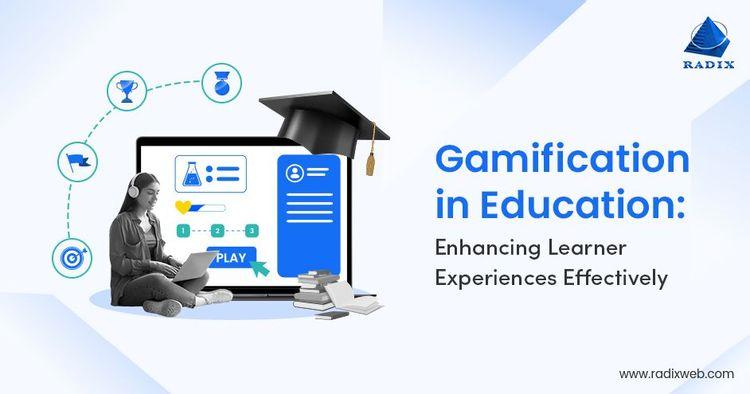
Unlocking Success: Exploring the Future of Educational Gamification in Learning
Introduction
The landscape of education is rapidly evolving, with digital transformation paving the way for innovative teaching methodologies. One of the most transformative trends is educational gamification, which blends proven gaming mechanics with learning objectives to enhance student engagement and achievement. As classrooms become more interactive and student-focused, understanding the future of gamification in education is essential for educators, administrators, and learners alike.
In this article, we dive deep into the future of educational gamification, exploring its benefits, best practices, real-world case studies, and practical tips for implementation. Whether you are an educator seeking to motivate yoru students or a technology enthusiast curious about the latest e-learning innovations, read on to discover how gamification is unlocking success in learning environments globally.
The Benefits of Educational Gamification
The use of gamification in learning offers a multitude of benefits, making it a powerful strategy for 21st-century education. Here are some of the key advantages:
- Enhanced Engagement: game-like elements such as points, badges, and leaderboards turn routine tasks into exciting challenges, keeping students motivated and actively participating.
- Improved Knowledge Retention: interactive activities, progress tracking, and instant feedback help learners remember details more effectively compared to traditional methods.
- Personalized Learning Paths: Gamified platforms often allow students to progress at their own pace, adapting challenges to individual skill levels and needs.
- Collaboration and Social Learning: Many educational games encourage teamwork, fostering critical soft skills such as communication, leadership, and problem-solving.
- Safe Habitat for Failure: Gamification enables students to experiment, fail, and learn from mistakes without fear of judgment, building resilience and a growth mindset.
- Reward Systems: The use of rewards and recognition can drive positive reinforcement, encouraging continued effort and persistence.
The Future of Gamification in Learning
As technology becomes more advanced, the future of educational gamification holds even greater promise for reshaping how we teach and learn. Here are some trends to watch for:
1. Integration with Artificial Intelligence (AI)
AI-powered gamified learning platforms are capable of analyzing student performance and adapting content dynamically, creating more personalized and effective learning experiences.
2. Immersive Experiences through AR & VR
Augmented Reality (AR) and Virtual Reality (VR) are providing immersive educational games where students can learn by doing,exploring ancient worlds,conducting science experiments,or practicing soft skills in simulated environments.
3. Data-Driven Insights and Analytics
Gamification produces a wealth of user data. Advanced analytics can help educators track progress, identify learning gaps, and tailor interventions, driving continuous improvement for both students and curriculum design.
4. Broader Adoption Across All Educational Levels
From primary schools to higher education and corporate training, gamification in education is being increasingly adopted, breaking down barriers of traditional classroom models and promoting lifelong learning.
5.Mobile and Microlearning
With the proliferation of smartphones,gamified mobile learning apps and bite-sized lessons are making education more accessible and engaging for learners of all ages,anytime and anywhere.
educational Gamification Case Studies
Many institutions have already witnessed remarkable results by integrating gamification into their learning processes. Here are a few inspiring examples:
Khan Academy
Khan Academy uses badges, progress bars, and streak counters to motivate students. This gamified approach has led to increased student engagement and improved math proficiency globally.
Duolingo
The language learning app Duolingo employs points, daily goals, levels, and streaks, providing instant feedback and playful competition. Studies show that users continue practicing languages far longer on gamified platforms.
Classcraft
Classcraft transforms classroom management into a game, where students earn points for positive behavior and teamwork. Teachers have reported significant improvements in class participation and collaboration.
Practical Tips for Implementing Gamification in the Classroom
Ready to jumpstart your gamified learning journey? Here are some actionable strategies for educators and administrators:
- Define Learning Objectives: Ensure all gamified activities are tied to clear educational outcomes to maintain focus.
- Start Small: Integrate simple gamification elements, such as quizzes with point systems, before progressing to more complex games.
- Foster Healthy Competition: Use leaderboards and team challenges to encourage motivation, but be mindful of balancing competition and cooperation.
- Leverage Technology: Use platforms like kahoot! or Quizizz,which make it easy to add game-like elements to traditional lessons.
- Gather Feedback: Regularly collect student feedback to assess engagement levels and adapt your approach accordingly.
- Promote Inclusivity: Design challenges that cater to different learning styles and abilities to ensure all students benefit.
- keep It Fun and Relevant: The best gamified experiences are those that students find both enjoyable and meaningful.
First-Hand Experiences: What Educators and Students Are Saying
“introducing gamified elements in my science classroom completely changed the atmosphere. Students became more eager to participate, and their test scores improved noticeably.”
– Ms.Jessica Lee, Middle School Teacher
“I love earning badges and completing challenges. It makes learning feel like an adventure instead of a chore!”
– Miguel Alvarez, High School Student
Frequently Asked Questions About Educational Gamification
Is gamification suitable for all subjects?
While gamification is often associated with STEM education, it can be effectively applied to language learning, social sciences, arts, and more. The key is to design activities that align with your subject’s learning goals.
Does gamification require expensive resources?
Not necessarily! Many gamified activities leverage free tools or low-cost applications. creativity and thoughtful planning matter more than budget.
Can gamification help struggling students?
Yes. By offering personalized progression and positive reinforcement, gamified learning can boost confidence and motivation for learners who may struggle with conventional methods.
Conclusion
The future of educational gamification in learning is bright, with technology unlocking unprecedented opportunities for engagement, achievement, and lifelong learning. As more educators embrace these innovative strategies, the classroom experience will continue to evolve—focusing on fun, motivation, and mastery.
Whether you’re a teacher striving to create memorable lessons or an administrator looking to boost academic outcomes, integrating gamification is a proven way to foster enthusiasm, collaboration, and success in education. Start exploring the possibilities today, and join the movement that is revolutionizing how the world learns!