
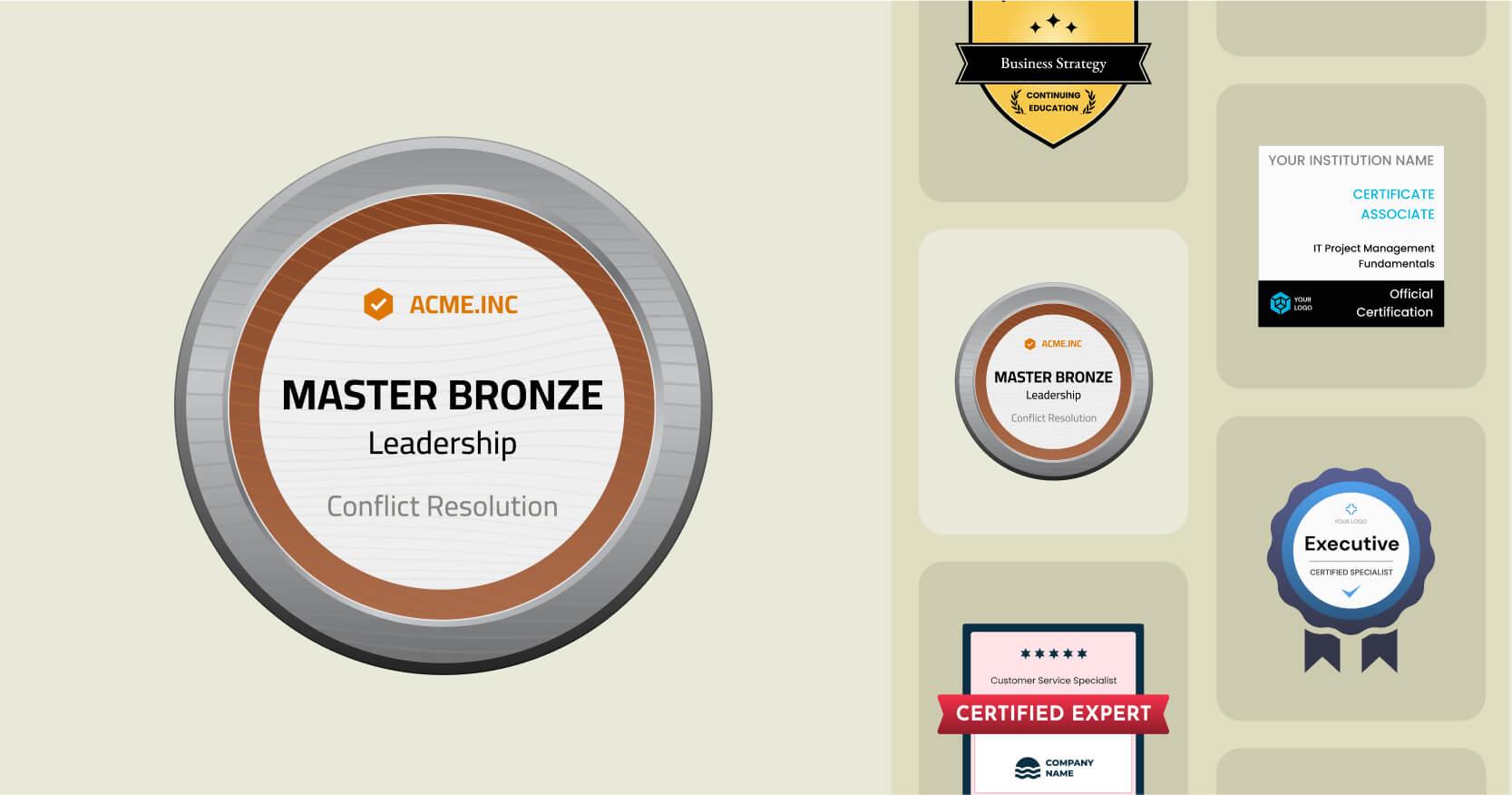
Unlocking Success: How Digital Badges Recognise and Showcase Skills and Achievements
In today’s fast-paced digital landscape, digital badges are redefining how we recognise, validate, and showcase skills and achievements. Whether you are a student, professional, or institution, understanding the power of digital badges can definitely help you unlock new opportunities, stand out from the crowd, and foster a culture of continuous learning. In this article, we’ll explore what digital badges are, how they work, their numerous benefits, and practical ways to leverage them to unlock your success.
What Are Digital Badges?
Digital badges are verified, online representations of skills, accomplishments, or credentials earned by individuals. Unlike traditional certificates, digital badges are more then just static images. Each digital badge contains rich metadata including:
- The skill or achievement recognised
- The issuing body or authority
- Criteria for earning the badge
- Date of issue and expiration (if applicable)
- Verification link to authenticate the badge
Digital badges are typically shareable across social media networks, email signatures, digital resumes, and professional profiles such as LinkedIn.
The Rise of digital Badges in Education and the Workplace
The adoption of digital badge certification has rapidly grown across both educational institutions and the professional world due to their ability to provide portable, reliable, and instantly verifiable proof of skills and accomplishments. According to a report by Credly, over 70% of leading employers now acknowledge digital badges when considering job candidates.
In education, institutions use digital badges to:
- Motivate learner engagement through micro-credentials
- Accredit informal or soft skills not captured by traditional grading
- Bridge the gap between academic achievement and real-world employability
In the workplace, companies deploy digital badges to:
- Recognise ongoing employee training and skill development
- Support career advancement and succession planning
- Foster a culture of growth and lifelong learning
Key Benefits of Digital Badges
- Verified Credibility: Each digital badge is backed by verifiable facts, reducing the risk of fraudulent claims.
- Enhanced Employability: Job seekers can showcase a portfolio of relevant badges, instantly demonstrating abilities to employers.
- Motivation for Continuous Learning: Badging systems encourage learners to pursue additional skills and training.
- Shareability: Digital badges can be displayed across personal websites, social networks, and professional platforms for maximum visibility.
- Granular Recognition: They provide precise acknowledgment of specific skills,achievements,or competencies,rather than broad qualifications.
- Real-Time Updates: Skills and achievements can be tracked dynamically, reflecting the most current status of an individual’s expertise.
Digital Badges vs. Traditional Certifications
| Feature | Digital Badges | Traditional Certifications |
|---|---|---|
| verification | Instant, online with clickable metadata | Manual or paper-based; risk of forgery |
| Portability | Shareable across multiple digital platforms | Mainly paper or static files; limited sharing |
| Detail Level | Granular, skill-specific | Often broad and general |
| Update frequency | Real-time, as skills evolve | Infrequent; new certificate required for updates |
practical Tips: How To Make the Most of Digital Badges
- Choose Reputable Platforms: Earn your digital badges from recognized and credible organisations such as Credly, Badgr, or official academic and industry bodies.
- Integrate with Professional Profiles: Link your badges to online profiles like LinkedIn to enhance your digital résumé.
- Showcase on Personal Websites: Add badges to your portfolio or blog using embedded HTML.
- keep Skills Current: Stay proactive in acquiring new badges as technologies and industry standards evolve.
- Monitor Badge Analytics: If available, use analytics to see who views your badges and track engagement.
- Network with Badge Earners: Joining communities of fellow badge-earners can provide new learning and growth opportunities.
Case Studies: Digital Badges in Action
Case Study #1: IBM’s Digital badge Program
Since launching its digital badge initiative, IBM has awarded over 3.5 million digital badges worldwide.Employees were reported to be more motivated,with measurable boosts in skill development and engagement,leading to faster promotions and enhanced career satisfaction.
Case Study #2: University Micro-Credentials
The University of Notre Dame introduced a series of digital micro-credentials, enabling students to earn badges for skills such as leadership, project management, and technology literacy. These badges provided trusted, visible proof of skills beyond the classroom, greatly enhancing graduate employability.
Case Study #3: Mozilla Open Badges Initiative
Mozilla’s Open Badges project created an open standard for badge issuance, making it easier for organisations to create, distribute, and verify badges across platforms. By 2023, the initiative had resulted in over 40 million badges being issued to learners worldwide.
First-Hand Experience: Voices from the Digital Badge Journey
“After earning several digital badges from a leading cloud platform, I noticed more recruiters viewing my LinkedIn profile. It’s opened doors to new freelancing projects and networking opportunities that I wouldn’t have had or else.”
— Emily, IT Specialist
“Digital badges motivated me to push beyond my comfort zone.Every new badge achieved felt like a meaningful milestone, not just a checkbox on my resume.”
— Daniel, Business Analyst
How Organisations Can Implement digital Badges
If you’re an employer, educator, or organisation leader, here are steps to get started with digital badge implementation:
- Define the outcomes and competencies you want to recognise.
- Select a reliable badge-issuing platform aligning with your needs.
- Design attractive, branded badges with clear earning criteria.
- communicate the value of digital badges to your audience (students or staff).
- Integrate badges with learning management systems (LMS) and digital portfolios.
- Regularly review and update the badge criteria to maintain relevance.
Conclusion: Take Your Success to the Next Level with Digital Badges
Digital badges are more than digital assets – they are powerful tools that help individuals validate their skills, share achievements, and open doors to career opportunities. By adopting digital badges, you can ensure your skills remain visible, up-to-date, and trusted in a rapidly evolving marketplace. Whether you are a learner seeking recognition, a professional aiming to stand out, or an organisation supporting growth, digital badges are the gateway to unlocking success in the digital age.
Are you ready to start your journey? Explore digital badging options today and take the next big step towards recognising and showcasing your skills and achievements!