
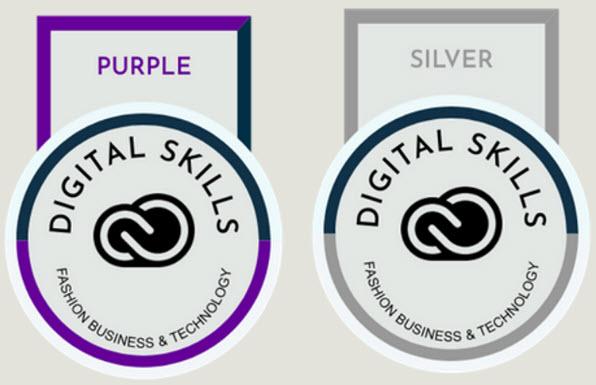
Unlocking Success: How Digital Badges Recognise Skills & Achievements
Digital badges are rapidly transforming the way skills and achievements are recognized, validated, and shared in the digital era. From education to career advancement, these innovative credentials are paving new pathways for learners and professionals worldwide. Whether you’re an educator, employer, or individual seeking to showcase your expertise, understanding the role of digital badges can unlock abundant opportunities for growth and success.
What Are Digital Badges?
At their core, digital badges are visual representations of skills, knowledge, or achievements that can be earned, stored, and shared online. Unlike traditional certificates,these badges are dynamic and metadata-rich,offering instant access to:
- Issuer details (who issued the badge)
- Criteria (What was required to earn it)
- Verification links (Proof of authenticity)
- Evidence (Examples of work or skill presentation)
By harnessing blockchain or secure platforms,digital badges provide trustworthy,tamper-proof records of achievement that can be shared across social media,resumes,LinkedIn,and ePortfolios.
How Digital Badges Recognise Skills & Achievements
Unlike generic certifications, digital badges offer a granular and transparent approach to skills recognition. Here’s how they work:
- Specificity: Each badge is tied to a distinct skill or achievement, such as project management, coding proficiency, or completion of a training module.
- Verification: The embedded metadata verifies the badge’s legitimacy, giving employers and peers confidence in your claimed abilities.
- Portability: Digital badges are universally accessible and shareable, making it easier for recipients to spotlight their capabilities in real time.
- Stackability: Learners can collect and stack badges, mapping a visible learning journey and skill progression.
The Benefits of Digital Badges
Integrating digital badges into educational or professional settings delivers a wealth of advantages. here’s how they’re unlocking new potential for everyone involved:
For Learners & Professionals
- Motivation and Engagement: The gamified aspect of earning badges can inspire continuous learning.
- Career Opportunities: Digital badges make resumes stand out and help candidates demonstrate unique, job-relevant skills.
- Ownership of Learning: Individuals curate their badge collections to reflect personal achievements and aspirations.
- Social Proof: Sharing badges on platforms like LinkedIn offers instant credibility to peers and recruiters.
For Educators & Training Providers
- Micro-credentialing: Badges capture learning at every stage, enabling granular recognition beyond diplomas or degrees.
- Enhanced Engagement: Introducing badges increases learner participation and achievement rates.
- Data-Driven Insights: Track progress and learner outcomes effectively through badge analytics.
For Employers
- Improved Recruitment: quickly verify and evaluate candidates’ practical skills.
- Upskilling Workforce: Recognise and motivate employee growth through internal badge systems.
- streamlined Onboarding: Assess new hires by reviewing their earned credentials.
Real-World Case Studies: Digital Badges in Action
Many organizations and institutions across the globe are embracing digital badge technology to enhance skills recognition.Here are some inspiring case studies:
IBM’s Open Badges Program
as launching in 2015, IBM’s Open Badges Program has awarded millions of digital credentials across AI, cybersecurity, and cloud computing. These badges are recognized by global employers and have directly contributed to increased job placements for IBM badge earners.
Mozilla Open Badges Initiative
Mozilla’s pioneering Open Badges project established an open standard for digital badges. Educational institutions, nonprofits, and companies worldwide now use this framework, fostering a universal digital recognition ecosystem.
Universities & Online Course Providers
- Leading universities are integrating badges into degree and micro-credential programs, allowing students to demonstrate specialized expertise beyond traditional grades.
- MOOCs (like Coursera and edX) issue digital badges to acknowledge skill mastery, providing learners with tangible proof of their professional development.
How to Implement and Earn Digital Badges: Practical Tips
For Individuals
- Identify badge-issuing platforms: Look for online courses, workshops, or certification programs that award badges. Common platforms include credly, badgr, and Accredible.
- Align badges with career goals: Select badges that are respected in your industry and align with your professional objectives.
- showcase your badges: Add badges to your LinkedIn profile, resume, email signature, and digital portfolios to maximize their visibility and impact.
- Stay credible: Only display badges from reputable issuers to ensure authenticity and trustworthiness.
For Organizations
- Choose established standards: Adopt recognized frameworks like Open Badges for interoperability and scalability.
- Define clear criteria: Set transparent,objective requirements for badge issuance so that each credential holds tangible value.
- Enable verification: Choose technology that allows third parties to verify badge legitimacy easily.
- promote a badge culture: Encourage employees and learners to pursue and display badges for motivation and community recognition.
First-Hand Experience: Why Digital Badges Matter
“After earning a digital badge in data analytics from a leading provider, I showcased it on my LinkedIn profile. Within a month, recruiters began reaching out about job opportunities that matched my badge’s verified skills. The digital badge acted as a powerful conversation starter and set me apart from other candidates.” – Sarah L., Data Analyst
Key Trends and Future Outlook for Digital badges
The digital badge ecosystem continues to evolve as technology advances and the future of work shifts. Here’s what to expect in coming years:
- Widespread Adoption: Both educational institutions and businesses are rapidly embracing badges for upskilling and talent recognition.
- Integration with Blockchain: Secure, decentralized verification will further enhance the trustworthiness of digital badges.
- Micro-Credentials Go Mainstream: Short, skill-focused learning experiences will supplement or, in some cases, replace traditional degrees.
- Personalized Learning Pathways: Learners curate their pathways using stackable badges tailored to their unique aspirations and industry demands.
Conclusion: Unlock Your Success with Digital Badges
Digital badges are more than just virtual icons; they are dynamic, trusted credentials that empower individuals, streamline recruitment, and foster a culture of continuous learning. By embracing digital badge technology, learners and professionals can take control of their personal growth stories—showcasing verified skills that open doors to new opportunities. Whether you’re a student, educator, or employer, now is the perfect time to unlock your next level of success with digital badges.
Ready to start your journey? Explore leading badge platforms, set your learning goals, and let your skills shine for the digital world to see.