
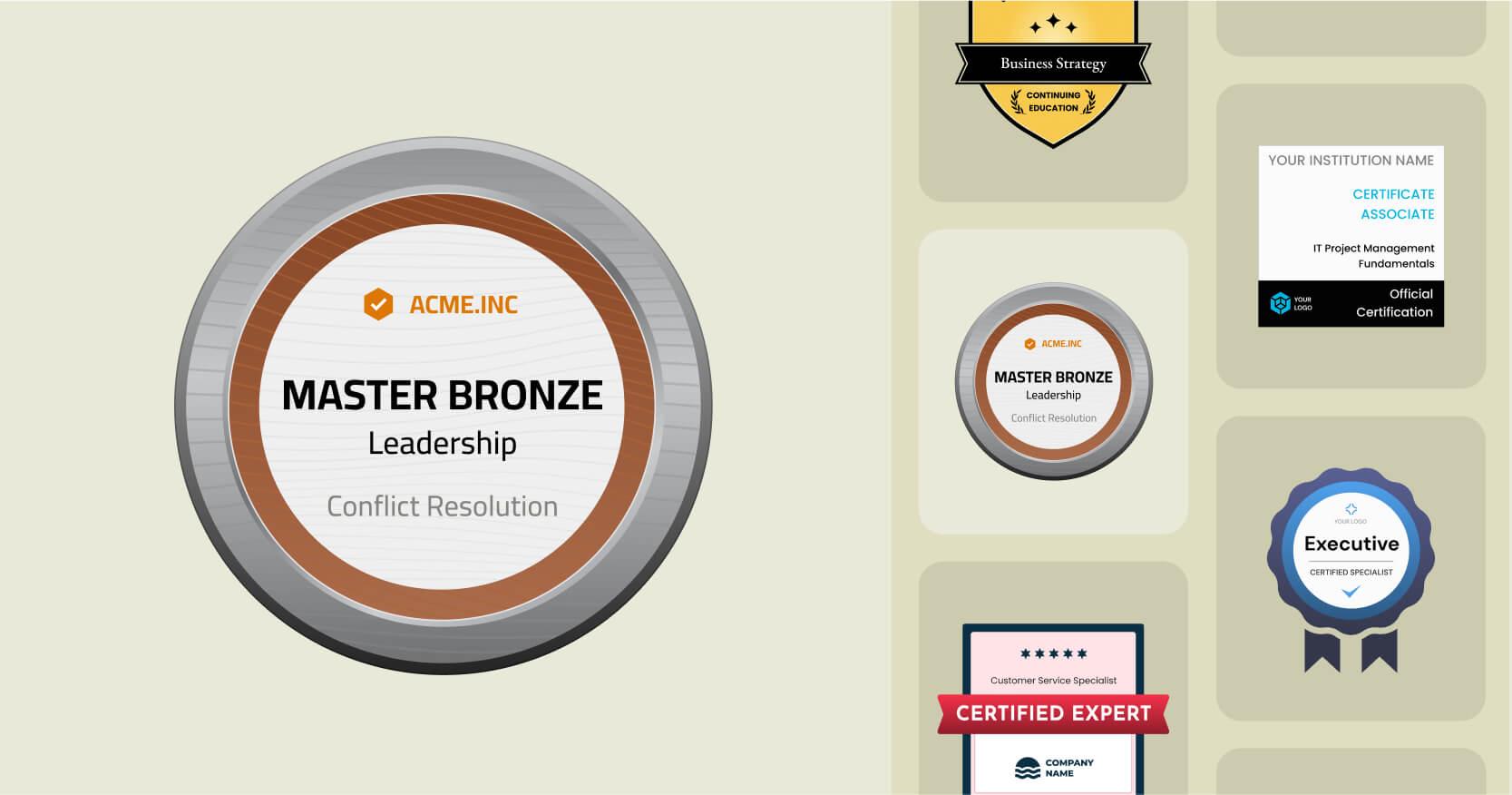
Unlocking Success: How Digital Badges Recognise Skills and Achievements
In today’s fast-paced digital world,the way we recognise and showcase skills is rapidly evolving. Digital badges have emerged as powerful tools for verifying and celebrating a wide array of competencies, from technical know-how to soft skills and beyond. Whether you’re a student, professional, educator, or employer, understanding how digital badges recognise skills and achievements can unlock new pathways to success and create tangible value in your personal and professional journey.
What Are Digital Badges?
Digital badges, also known as open badges, are visual, clickable representations of an individual’s skills, achievements, or credentials earned online. Unlike customary paper certificates, digital badges are dynamic and contain metadata that links to detailed information about the accomplishment, such as:
- The criteria required to earn the badge
- The issuer’s identity
- Date of issuance
- Evidence supporting the achievement
These badges can be shared across various platforms, including LinkedIn, online portfolios, websites, and digital resumes, making it simple to showcase verified skills to prospective employers or collaborators.
How Digital Badges Recognise Skills and Achievements
the traditional education and professional certification models often fall short in capturing the full spectrum of a person’s skills. Digital badges provide a flexible, recognized, and verifiable way to:
- Highlight micro-credentials and specific competencies
- Support lifelong learning and continuous professional progress
- Bridge the gap between formal education and workplace skills
Because each badge carries detailed data, viewers can instantly validate not onyl the badge but also the earning process. This clarity adds credibility and trust—key components for career advancement and recognition.
Key features of Digital Badges
- portability: Shareable across multiple digital platforms
- Security: Embedded with secure metadata to prevent forgery
- Transparency: Includes links to proof and assessment criteria
- Granularity: Can be awarded for specific skills or projects, not just entire degrees or long-term courses
The Benefits of Digital Badges
Digital badges offer transformative advantages for individuals, organizations, and educational institutions alike. Here are some of the most compelling benefits:
1. Enhanced Employability and Career Growth
- Stand out to employers: Badges offer instant proof of skills, making resumes more attractive and competitive.
- Highlight soft and hard skills: Employers are increasingly seeking evidence of abilities like leadership, teamwork, and critical thinking, which digital badges can validate just as effectively as technical skills.
- Accelerate promotions: Employees can use badges to demonstrate their commitment to ongoing development,supporting their case for advancement.
2. Motivation and Engagement
- Gamified learning: Earning badges adds a sense of achievement and fun to training, fueling motivation and constant learning.
- Self-assessment: Badges help individuals identify skill gaps and set personal development goals.
3. Institutional Benefits
- Track progress: Educational organizations can use badges to map students’ progress and guide curriculum improvements.
- Employer partnerships: Academic institutions and businesses can collaborate on badge creation, ensuring the skills recognized are industry-relevant.
4. Lifelong Learning and Flexibility
- Stackable credentials: Learners can accumulate badges from multiple sources,gradually building a personalized digital “skills backpack.”
- Global recognition: Digital badges are recognized internationally, breaking down barriers for global opportunities.
Practical Tips for Leveraging Digital Badges
Ready to make the most of digital badges? Here are some practical steps for leveraging these powerful credentials to unlock success:
For Individuals
- Curate a digital portfolio: Collect and organize your badges in an accessible online portfolio or platform such as LinkedIn or Credly.
- Highlight relevancy: Choose badges that match your career aspirations and showcase the skills most valued in your desired sector.
- Keep learning: Continuously pursue new badges to stay updated with emerging trends and technologies.
For Employers and Educators
- Develop badge programs: Create customized badge systems to recognize achievements,foster skill development,and drive engagement.
- Collaborate with industry experts: Design badge criteria alongside sector leaders to ensure that badges represent industry-standard skills.
- Promote recognition: Encourage employees and students to display earned badges publicly, reinforcing your institution’s or business’s culture of growth and achievement.
Case Studies: Real-World Impact of Digital Badges
Case study 1: Mozilla Open Badges Initiative
Mozilla’s pioneering Open Badges project set the stage for global digital badge adoption. By establishing a common framework, Mozilla enabled educators, businesses, and learners to create, issue, and display verifiable digital credentials. The initiative received widespread industry backing and highlighted the role of open standards in skill recognition.
Case Study 2: IBM’s Digital Badge program
IBM implemented a comprehensive digital badge program to address the skills gap in emerging technologies like AI and blockchain. As launch, millions of badges have been awarded, empowering employees to demonstrate new skills and earning the company industry recognition for workforce development.
Case study 3: Higher Education Adoption
Universities such as Purdue and Georgetown have embraced digital badges to recognize extracurricular achievement, technical skills, and even peer mentoring. These programs enhance students’ job prospects by making non-academic skills visible to recruiters.
First-hand Experiences: voices of Badge Earners
“After completing a data analytics course, I shared my badge on LinkedIn. Within weeks, I was contacted by recruiters who valued not only my certification but the transparent proof of skills provided by my badge.”
– priya S.,Analyst
“Our association implemented an internal badge system.Employee engagement and training completions soared, and staff loved seeing their achievements recognized instantly.”
– Mark R., L&D Manager
How to Get Started with Digital Badges
Curious about how to earn and issue digital badges? Here are a few steps to begin your digital badge journey:
- Explore badge platforms: Major online learning hubs like Coursera, edX, Credly, and Badgr offer badge programs aligned with industry needs.
- participate in recognized courses: Look for learning or training opportunities that issue digital badges upon completion.
- Showcase your badges: Add them to your LinkedIn profile, resume, or personal website. Make sure to highlight how each badge supports your expertise.
- Encourage your institution: If your school or workplace doesn’t offer digital badges yet, advocate for their adoption. Share this article and explain the concrete benefits!
Embracing the Future: Why Digital Badges Matter
With the rapid evolution of the workforce and the demand for lifelong learning, traditional certifications can no longer capture the full spectrum of today’s in-demand skills.Digital badges provide a forward-thinking, accessible, and flexible way to recognise talent, foster continuous improvement, and build credibility in a crowded global marketplace.
Early adopters of digital badges are reaping the rewards—stronger resumes, increased job offers, accelerated onboarding, and greater motivation to keep learning. As this movement grows, the question isn’t whether digital badges will become mainstream, but how soon.
Conclusion: Unlock Your Success with Digital Badges
Unlocking success in education,the workplace,and beyond requires the ability to prove skills—and to do so in a trustworthy,portable,and engaging way. Digital badges bridge the gap between learning and recognition, putting achievements in the global spotlight.
Start your journey with digital badges today to validate your learning, stand out in your field, and unlock the doors to new opportunities. The future of skills recognition is digital—are you ready to seize it?