
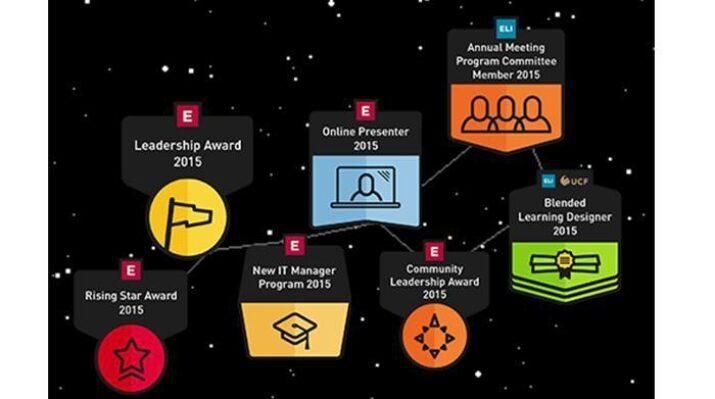
Unlocking Success: How Digital Badges Recognise Skills and Celebrate Achievements
In today’s fast-paced, digital-first world, conventional certificates and paper-based accolades are rapidly making way for modern alternatives that effectively recognise skills – digital badges. Whether you’re a student, a professional, or an educator, digital badges are revolutionising how achievements are recognised, validated, and shared. In this thorough guide, we’ll explore how digital badges unlock success, why they’re gaining popularity, the tangible benefits they offer, and how you can leverage them to chart a path to your own achievements.
What Are Digital Badges?
Digital badges are virtual representations of acquired skills, competencies, or accomplishments. Unlike traditional certificates, digital badges are designed to be easily shared online, offering verifiable proof of learning and achievement. Each badge contains metadata—such as the issuer,criteria,evidence,and expiration date—that confirms its authenticity and value.
- Verifiable: Badges are frequently enough issued through secure platforms,ensuring credibility.
- Shareable: Display on LinkedIn, personal websites, or digital portfolios.
- Comprehensive: Showcase soft skills, technical expertise, and micro-credentials.
The Rising Popularity of Digital Badges
With the digital transformation in education and the workplace, demand for skills-based recognition has skyrocketed. Organisations, universities, and online learning platforms are leveraging digital badges to:
- Recognise micro-learning: Acknowledge smaller, bite-sized achievements that often go unnoticed with traditional credentialing.
- Foster lifelong learning: Promote continuous upskilling and professional growth.
- motivate learners and employees: Celebrate every milestone, boosting engagement and retention.
- Bridge skills gaps: Highlight specific competencies that align with current labor market needs.
How Digital Badges Recognise Skills and Celebrate Achievements
Digital badges go beyond generic certifications by offering detailed, skill-specific recognition. Here’s how they work:
- Skill Mapping: Badges are mapped to specific skills or learning outcomes, ensuring recipients meet defined standards.
- Authentic Evidence: Badge metadata provides evidence of achievement, such as exam scores, project work, or peer validation.
- Personalised Success: Individuals can collect,curate,and showcase a ‘badge backpack’ tailored to their journeys.
- Instant Recognition: Recipients receive digital badges instantly after accomplishment, providing real-time recognition.
This dynamic approach helps employers,educators,and peers quickly verify and celebrate achievements both online and offline.
Key Benefits of Using Digital Badges
Adopting digital badges can unlock numerous advantages for both individuals and organizations.Here’s why they matter:
Benefits for Individuals
- Increased Employability: Stand out in competitive job markets with verifiable proof of your skills, from project management to coding and communication.
- Shareable Portfolio: Seamlessly integrate badges with your LinkedIn profile, digital CV, or personal website.
- Lifelong Learning: Motivate yourself to acquire new skills and stay ahead in a rapidly evolving world.
- Personal Branding: Curate a unique digital identity that showcases your achievements and growth journey.
Benefits for Organisations and Educators
- Enhanced Engagement: Increase motivation and participation by rewarding incremental learning.
- Data-Driven Insights: Use badge analytics to track learner progress and identify skill gaps.
- Workforce Readiness: Quickly validate skills and competencies, making recruitment and workforce development more efficient.
- Brand Differentiation: Position your institution as a forward-thinking leader in recognition and training.
Case Studies: Digital Badges in Action
The impact of digital badges is already visible across diverse sectors. Here are some inspiring examples:
- Mozilla open badges: Mozilla spearheaded the open badge movement, creating an ecosystem where badges awarded by schools, companies, and nonprofits are universally recognised and trusted.
- IBM Digital Badges: IBM has issued millions of badges to its employees and partners, covering skills in AI, cloud computing, and cybersecurity. Survey data shows that badge recipients are more likely to get promotions or new job offers.
- University credentials: Educational institutions, such as the University of New south Wales and purdue University, use digital badges to recognise co-curricular achievements, leadership roles, and unique skills not covered by traditional degrees.
- Professional Associations: The Project Management Institute (PMI) and other leading bodies use digital badges to validate continuing education, making it easier for professionals to prove their commitment to growth.
How to Get Started with Digital Badges
Ready to embrace the digital badge revolution? Here are practical steps for individuals, educators, and organizations to maximize the benefits:
For Individuals
- enroll in online courses or training programs that offer digital badges upon completion.
- actively pursue badges related to your career aspirations, such as soft skills, technical skills, or leadership.
- Curate your badges in a digital portfolio or display them on professional networking platforms to boost your profile.
- Seek out peer-reviewed or industry-recognised badges for greater credibility.
For Educators and Organisations
- Partner with reputable badge-issuing platforms (such as Credly, Open Badge Factory, or Badgr).
- Develop clear criteria and transparent standards for earning each badge.
- Integrate badges into existing learning management systems (LMS) like Moodle or WordPress with LMS plugins.
- promote badge achievements within your community to inspire others and create a culture of recognition.
Frequently Asked Questions about Digital Badges
- Are digital badges secure and trustworthy?
-
Yes, most digital badges use blockchain or secure cloud verification, making them tamper-proof and easily verifiable.
- Do employers recognise digital badges?
-
Increasingly, employers value digital badges as reliable evidence of up-to-date skills and training, especially when issued by renowned organisations.
- How do I display my digital badges?
-
Digital badges can be added to your LinkedIn profile, digital résumés, personal websites, email signatures, or shared directly with potential employers.
Conclusion: Time to Celebrate Every Achievement
Digital badges are more than just icons—they’re credentials that recognise skills and celebrate achievements in powerful new ways. By providing transparent, verifiable, and easily shareable proof of your journey, they empower people and organisations to unlock and showcase their full potential.
As the workforce and educational landscape continue to evolve, embracing digital badges is no longer optional—it’s essential for anyone seeking to stay competitive, confident, and celebrated in their field. Start your badge journey today, and let every achievement shine!