
Unlocking Success: How Digital Badges Recognize Skills and Achievements
As the digital world transforms our approach to learning and career advancement, the concept of digital badges has emerged as a powerful tool to recognize skills and achievements. From online courses to professional certifications, digital badges offer a modern, verifiable way for individuals to showcase what they know—and for organizations to identify top talent. But what exactly are digital badges, and how can they help unlock success in today’s competitive job market?
What Are Digital Badges?
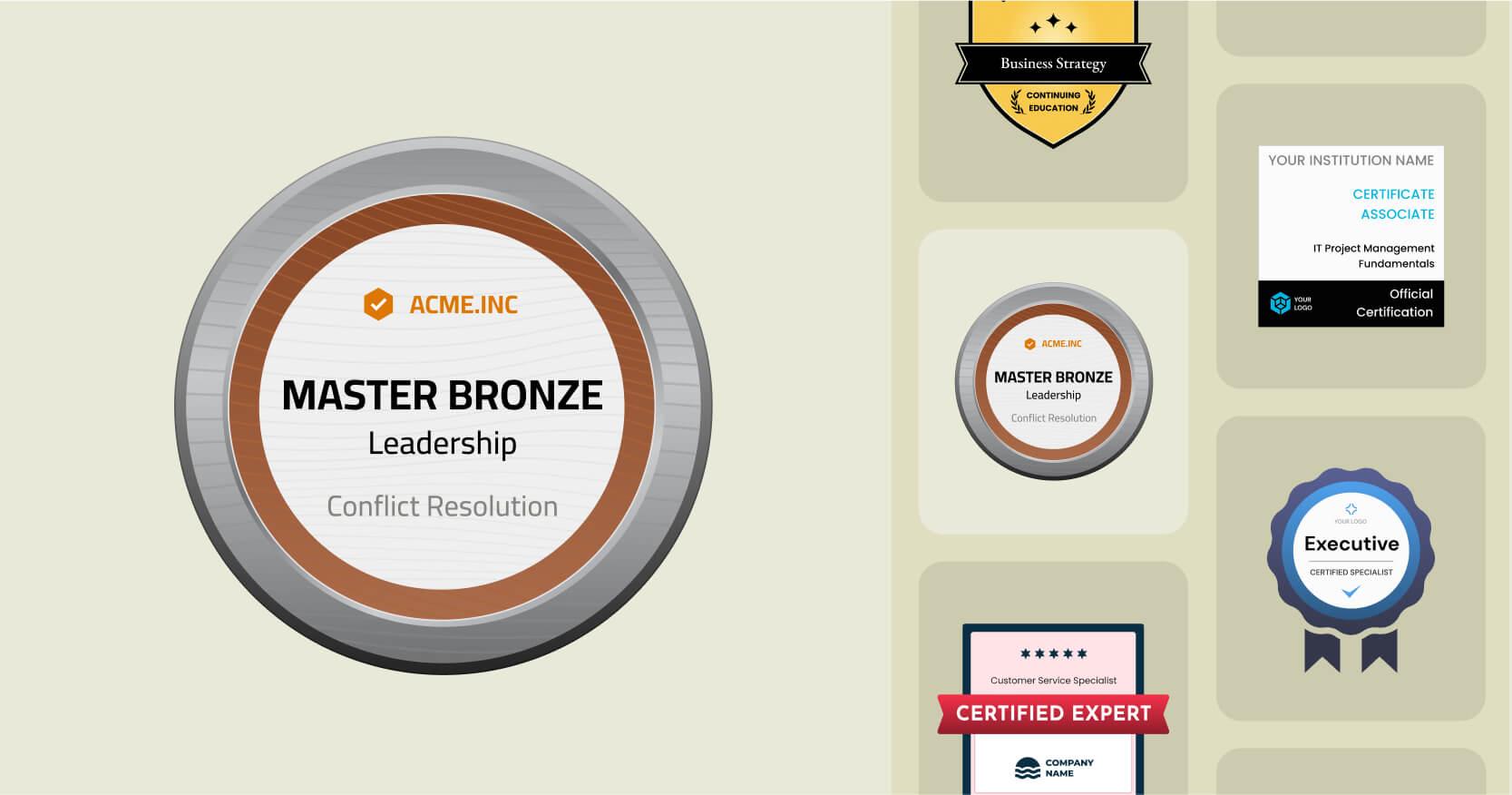
Digital badges are online representations of skills, achievements, or certifications earned through learning, training, or contribution. Think of them as dynamic micro-credentials—accessible, shareable, and easily verified across digital platforms like LinkedIn, resumes, portfolios, and educational dashboards.
- Visual Proof: Each badge includes an image, metadata, and a link to details about what was accomplished.
- verifiable: Unlike paper certificates,digital badges can be authenticated,ensuring credibility.
- Shareable: Easily displayed on social media, job applications, personal websites, and more.
How Digital Badges Recognize Skills and Achievements
Digital badges make skills recognition clear, portable, and meaningful:
- Transparent Validation: Badges outline the exact competencies demonstrated, the issuing organization, evidence of completion, and criteria for earning the badge.
- Portability: They travel with the learner, allowing for lifelong recognition regardless of institution or employer.
- Alignment with Real-world Skills: Badges can be tied to both soft and hard skills, and also specific projects or contributions.
In sum, digital badges transform the way achievements are acknowledged and interpreted by employers, educators, and peers.
Key Benefits of Digital Badges
- Increased Motivation: Learners are encouraged to acquire new skills by the promise of tangible, shareable recognition.
- Career Advancement: Professionals can showcase verified expertise and stand out in recruitment processes.
- Enhanced Discoverability: Recruiters can search badge databases to identify candidates with specific competencies.
- Support for Lifelong Learning: Badges can be earned for both formal education and informal learning,promoting continuous self-improvement.
- Data-Rich Credentials: Metadata provides details such as issuer, date, evidence, and skills, increasing reliability over traditional certificates.
Why Employers Value Digital Badges
For employers, digital badges offer clear insights into a candidate’s ongoing learning journey and specific competencies, reducing hiring risks and streamlining talent acquisition. They facilitate transparent communication of abilities—far beyond what a traditional resume can offer.
Popular Platforms for Issuing Digital Badges
Numerous organizations and educational institutions have embraced digital badges, often via established platforms such as:
- Credly (by Pearson): Used by corporations and universities for issuing verified badges for skills and certifications.
- Badgr (now part of Canvas): Popular in formal education and workforce development.
- Open Badge Factory: enables institutions to create, manage, and deliver Open Badges based on global standards.
- Mozilla Open Badges: One of the original ecosystems, providing a framework for interoperable badges.
These platforms ensure that digital badges are accessible, interoperable, and secure, establishing trust within the digital credentialing landscape.
real-World Case Studies: Digital Badges in Action
IBM launched a large-scale digital badge program to recognize skills across technical and soft skill areas, from cloud computing to leadership. As of 2024, IBM boasts over 5 million badges issued worldwide, enabling employees and learners to signal expertise and advance their careers.
ASU integrates digital badges into both degree and non-degree programs, providing students with credentials that align with in-demand job skills.Graduates report improved job prospects and employer interest due to the specificity of these micro-credentials.
Salesforce’s Trailhead platform offers digital badges for completing learning modules. These badges not onyl encourage continuous upskilling but also play a vital role in community recognition and internal promotions within enterprises.
Best Practices for Earning and Showcasing Digital Badges
- Set Specific Learning Goals: Before enrolling in badge programs, identify the key skills needed for yoru industry or career path.
- Choose Recognized Issuers: Opt for reputable platforms or institutions whose badges are widely acknowledged by employers.
- Highlight Badges on Professional Profiles: Add badges to your LinkedIn, digital resume, or portfolio to maximize visibility.
- Keep Learning: View badges as stepping stones; regularly seek new badges to demonstrate a habit of lifelong learning.
- Provide Evidence: Where possible, accompany badges with project links, published work, or endorsements for richer demonstrations of skill.
By following these practical tips, both learners and organizations can maximize the credibility and value of their digital badges.
Frequently Asked Questions About Digital Badges
-
How secure and trustworthy are digital badges?
Reputable badge platforms use robust verification techniques, making it highly difficult to falsify credentials.
-
Do employers recognize digital badges?
yes, especially within tech, healthcare, and education sectors—many recruiters now explicitly look for evidence of digital credentials.
-
Can digital badges be revoked?
Yes, if earned fraudulently or if the skill expires (for example, outdated certifications), issuers can revoke badges.
-
What’s the difference between digital badges and certificates?
Badges offer detailed metadata, are easily shareable, and are often more specific (micro-credentials), while certificates are broader and usually paper- or PDF-based.
Conclusion: Embracing the Future of Skills Recognition
Digital badges are redefining skills recognition and opening new doors for learners and professionals alike. As the modern workforce becomes more skills-based,these micro-credentials provide transparent,verifiable,and portable proof of accomplishment. Whether you’re looking to advance your career, validate new knowledge, or motivate teams to upskill, digital badges are a game-changer you can’t afford to ignore.
Start your journey today: explore digital badge programs in your field, add badges to your online presence, and watch new opportunities unlock before your eyes.