
Unlocking Success: How Microlearning Meets Modern Learner Needs
Microlearning has revolutionized the landscape of employee training and personal progress, proving to be one of the most effective learning strategies for today’s fast-paced, tech-driven world. As organizations and educators grapple with changing learner expectations, microlearning emerges as a powerful solution tailored for the modern learner. This article explores how microlearning unlocks success for students, professionals, and organizations by addressing the unique learning needs of the digital age.
Introduction: The Need for Modern Learning Solutions
The nature of work and education has changed dramatically in recent years. The rise of remote work, technological advancements, and the information overload phenomenon have made it challenging for learners to stay focused and engaged.
- Conventional, lengthy training modules often result in forgetfulness and reduced retention.
- Modern learners desire flexible, personalized, and just-in-time learning.
- Businesses require efficient upskilling to stay competitive.
Enter microlearning: a paradigm shift in how we deliver, absorb, and apply new knowledge at work and in life.
What Is Microlearning?
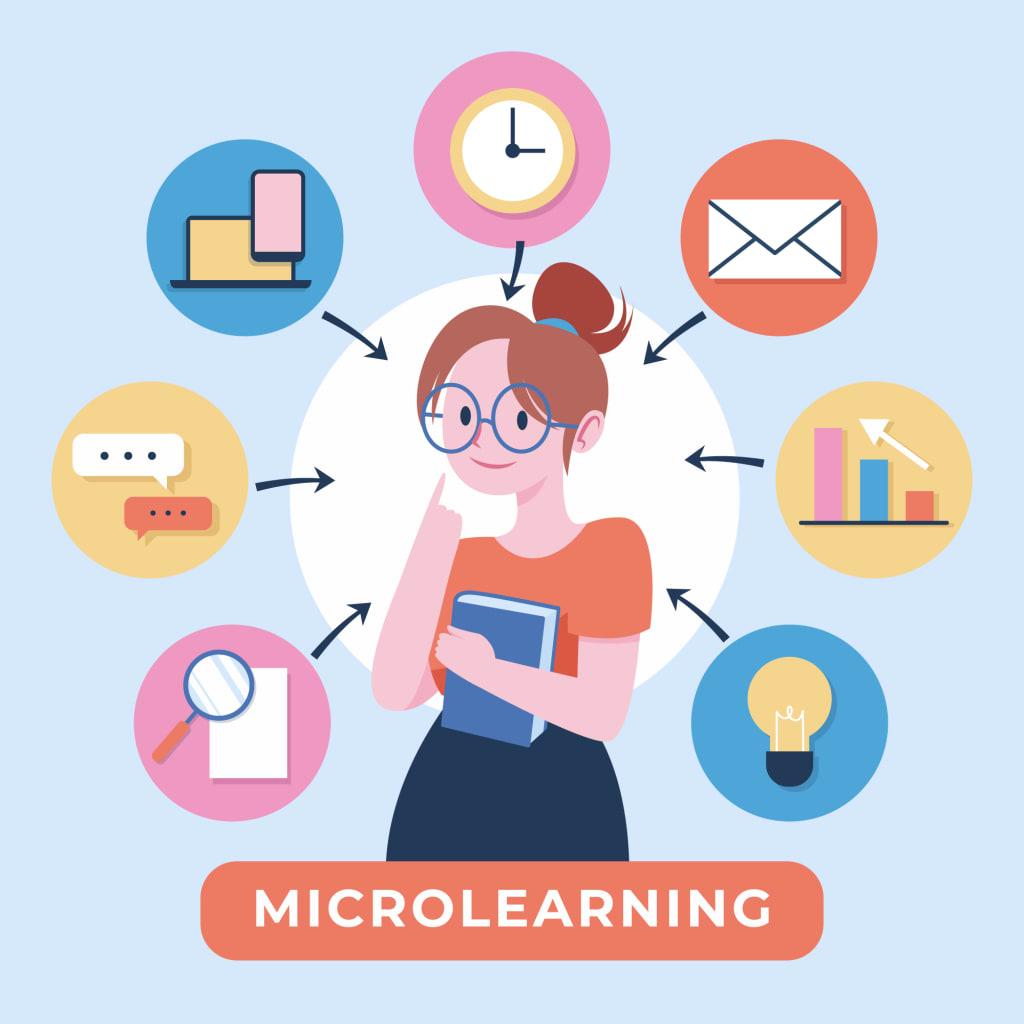
Microlearning is an approach to training and education that delivers content in small, focused segments—often referred to as “learning nuggets.” Each module typically lasts no longer than 3-10 minutes and focuses on a single learning outcome or skill.
- Format: Videos, infographics, quizzes, podcasts, games, and interactive scenarios.
- Purpose: Rapid skill acquisition, reinforcement, and on-demand learning.
- Delivery: Usually accessible from mobile devices, learning management systems (LMS), or dedicated microlearning platforms.
Why Microlearning Meets Modern Learner needs
The modern learner is stretched for time, bombarded with information, and expects seamless digital experiences. Here’s how microlearning addresses these challenges:
1. Flexibility and Accessibility
- Easily accessible on smartphones, tablets, and computers—anytime, anywhere.
- Fits effortlessly into busy schedules and remote work environments.
2. increased Engagement
- Bite-sized learning reduces cognitive overload and boosts motivation.
- Gamified elements and interactive activities make learning fun and memorable.
3. Enhanced Knowledge Retention
- Learning in short bursts aligns with brain science around attention and memory retention.
- Spaced repetition and continuous reinforcement solidify learning outcomes.
4. Personalization
- Content can be tailored for individual learning styles, goals, and paces.
- Analytics and progress tracking enable adaptive learning paths.
5. Just-In-Time Training
- Immediate access to relevant information at the moment of need, supporting problem-solving and performance.
Key Benefits of Microlearning for Organizations
- Cost-Effective Training: Reduces costs spent on lengthy, classroom-based sessions.
- Higher Completion Rates: Short modules encourage learners to finish courses.
- Measurable outcomes: Easier to track progress and analyze learning effectiveness via digital tools.
- Scalability: Content can be quickly updated and distributed enterprise-wide.
- Support for Remote and Hybrid Teams: Delivers training equally and inclusively, regardless of location.
Practical Tips for Implementing Microlearning
For those looking to harness the power of microlearning in organizational training or personal development,here are some actionable strategies:
- Define Clear Objectives: Make each module focused on a specific learning outcome.
- Mix Content Formats: Use videos,quizzes,infographics,and podcasts to cater to different preferences.
- Keep It Short and Sweet: Limit lessons to 3-7 minutes and avoid information overload.
- Leverage Mobile learning: Optimize content for mobile devices to maximize accessibility.
- encourage Social Learning: Add discussion boards or chat features to enhance peer-to-peer engagement.
- Utilize Data Analytics: Track learner progress and tweak content based on feedback and performance.
Real-World Case Studies: Microlearning in Action
Let’s look at practical examples where microlearning generated measurable impact.
Case Study 1: Global Marketing Firm
- Challenge: Employees struggled with compliance training that was lengthy and difficult to retain.
- Solution: The firm implemented a series of 5-minute microlearning modules featuring interactive scenarios and fast quizzes.
- Result: Completion rates soared by 30%, and post-training assessments showed a 25% advancement in retention.
Case Study 2: Tech Start-Up Onboarding
- Challenge: Rapid onboarding needed for growth, but new hires felt overwhelmed by dense materials.
- Solution: The start-up created a microlearning path with short videos and infographics covering essentials.
- Result: New employees ramped up to productivity 50% faster and reported higher satisfaction in onboarding surveys.
First-Hand Experience: A Learner’s Perspective
Many learners praise microlearning for its convenience and effectiveness. jane, an IT project manager, shares:
“microlearning changed the way I approach professional development. I can absorb new skills on my lunch break, and the short quizzes help reinforce what I just learned. It’s efficient, practical, and keeps me excited about learning.”
This real-world feedback illustrates that microlearning aligns perfectly with busy work schedules and personal demands.
Future Trends: How Microlearning Continues to Evolve
Microlearning is set to grow as technologies like AI, virtual reality, and adaptive learning become more widespread. Expect the following trends:
- AI-Powered Personalization: Automated recommendation systems will suggest tailored microlearning modules.
- Seamless Integration: Microlearning to be embedded in daily workflow tools—like Slack and Microsoft Teams.
- Immersive Content: VR and AR will enable immersive microlearning experiences for skill practice and simulations.
- Data-Driven Adjustments: content will adapt based on real-time performance analytics.
Conclusion: Unlocking Success with Microlearning
Microlearning is more than just a buzzword—it’s a proven solution for modern organizations and individuals who crave flexibility,efficiency,and engagement in their learning journeys. Whether you’re upskilling employees, onboarding new talent, or empowering students, microlearning meets the evolving needs of today’s learners and delivers tangible results.
By embracing microlearning, businesses and educators unlock success—boosting knowledge retention, workforce performance, and learner satisfaction.Now is the perfect time to incorporate microlearning strategies into your training repertoire and unlock success for the modern learner.