
Unlocking Success: How to Design Effective Game-Based Learning Modules for Engaged Learners
in today’s fast-paced digital world, traditional teaching methods are evolving to meet the changing needs of learners. More educators and corporate trainers are turning to game-based learning modules as a powerful tool to drive engagement, motivation, and retention. But how do you ensure your game-based learning design is truly effective? In this extensive guide, we’ll uncover the secrets to creating captivating and impactful game-based learning modules that unlock success for every learner.
What is Game-Based Learning?
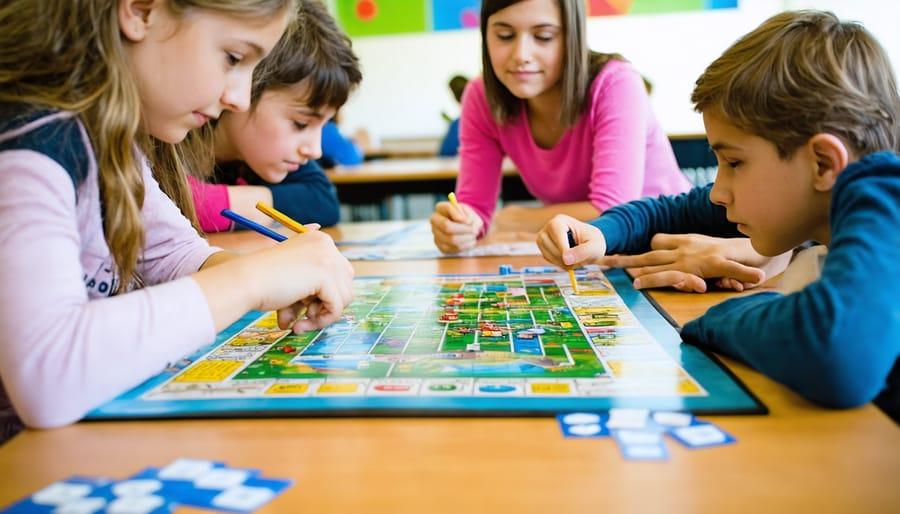
Game-based learning (GBL) integrates gaming principles, mechanics, and interactive experiences into educational content. Unlike traditional learning methods, GBL transforms lessons into dynamic, playful experiences, encouraging learners to interact, solve problems, and progress through challenges that mirror real-world scenarios.
- Interactive: Learners actively participate rather than passively consume information.
- Motivational: Game elements like levels, badges, and leaderboards foster competition and engagement.
- Feedback-driven: Instant feedback mechanisms reinforce knowlege and boost retention.
The Benefits of Game-Based Learning modules
Incorporating game-based learning into your curriculum or corporate training strategy offers numerous benefits:
- Higher Engagement: Games tap into learners’ intrinsic motivation, making the experience enjoyable and memorable.
- Improved Knowledge Retention: Active participation and scenario-based questions help anchor concepts for the long term.
- Personalized Learning Paths: Adaptive challenges and storylines let learners progress at their own pace.
- Growth of Critical Skills: Problem-solving, strategic thinking, collaboration, and digital literacy are naturally embedded in gameplay.
- Immediate Feedback: Learners instantly see the effect of their choices, enabling swift correction and mastery.
Key Principles for Designing Effective Game-Based Learning Modules
To unlock the full potential of game-based learning, intentional and research-driven design is essential. Here’s what sets successful modules apart:
1. Define Clear Learning Objectives
- Start with the end in mind: What should learners know or be able to do after completing the module?
- align game challenges and rewards to these educational or training goals.
2. Select the Right Game Mechanics
- Consider points, leaderboards, badges, levels, and storylines.
- Choose mechanics that enhance motivation, focus, and collaboration.
3. Balance Fun with Educational Value
- Ensure that gameplay elements support—not distract from—learning.
- Integrate knowledge checks, puzzles, or real-life scenarios that require submission of skills.
4. Foster Collaboration and Competition
- Design multiplayer modes or team challenges to promote dialog and social learning.
- Use kind competition (such as scoring and badges) to increase motivation.
5. incorporate Immediate and Meaningful Feedback
- Provide instant responses to learner actions—explain why a choice is right or wrong.
- Use progress bars, visual cues, and audio feedback to enhance the experience.
Step-by-Step guide: How to Design Game-Based Learning Modules
Now, let’s break down the practical process to create your own engaging learning module:
-
Identify Your Audience:
- Who are your learners? Students, employees, or professionals?
- what are their interests, technological skills, and learning preferences?
-
Set Smart Learning Objectives:
- Be specific, measurable, achievable, relevant, and time-bound (SMART).
-
Choose Your Game genre:
- Quiz games for knowledge checks, simulations for hands-on practice, role-play for interpersonal skills, or puzzles for problem-solving.
-
Storyboard the Experience:
- map out the sequence of activities,challenges,and feedback points.
- Create a narrative or context that makes learning meaningful.
-
Design Engaging Content:
- Mix media types: interactive questions, videos, audio, and graphics.
- Ensure inclusivity and accessibility for diverse learners.
-
test and Iterate:
- Pilot the module with a small group.
- Use learner feedback to refine mechanics, content, and usability.
-
Measure Success:
- Track performance, engagement, and knowledge retention with analytics.
- Collect qualitative feedback for continuous improvement.
Best Practices and Practical tips for Game-Based Learning Design
- Start Small: Integrate mini-games or interactive scenarios into existing courses before going fully gamified.
- Leverage Available Tools: platforms like Kahoot!, Quizizz, Classcraft, and custom WordPress plugins make game-based learning accessible even without advanced programming skills.
- keep Accessibility in Mind: Use readable fonts, contrasting colors, and provide alternate text for images to accommodate all learners.
- Engage Storytelling: Develop characters, missions, and story arcs to immerse learners and make content memorable.
- Encourage Reflection: Integrate debriefing sessions where learners discuss decisions, outcomes, and lessons learned.
- Iterate Based on Data: Use in-game analytics to identify points of confusion or disengagement, then optimize your module.
Case Studies: Game-based Learning in Action
Case Study 1: Middle School Science Adventure
A middle school science teacher implemented a simulation-based game where students explored a virtual ecosystem, making choices that affected population dynamics.Test scores improved by 22% and class participation soared.
Case Study 2: Corporate Onboarding Gamification
An international tech company transformed their onboarding with a gamified learning module using leaderboards, team missions, and achievement badges. Employees reported increased knowledge retention and experienced a 40% reduction in training completion time.
First-Hand Experience: An Educator’s Perspective
”integrating game-based learning into my math curriculum revolutionized my classroom. Shy students began collaborating, and absenteeism dropped. It took trial and error, but by listening to student feedback and adapting the challenges, I created a space where everyone was excited to learn.”
– Sarah T., High School Math Teacher
Conclusion: Power Up Your Learners with Game-Based Learning
effective game-based learning modules can unlock new levels of engagement and achievement for your students or employees. By combining well-defined objectives with the right game mechanics and a learner-centered approach, you’ll foster an environment where learning is not just educational—but fun, memorable, and impactful. Don’t be afraid to experiment, iterate, and gather feedback. The rewards are well worth the effort as you help learners unlock their potential and succeed in today’s dynamic world.