
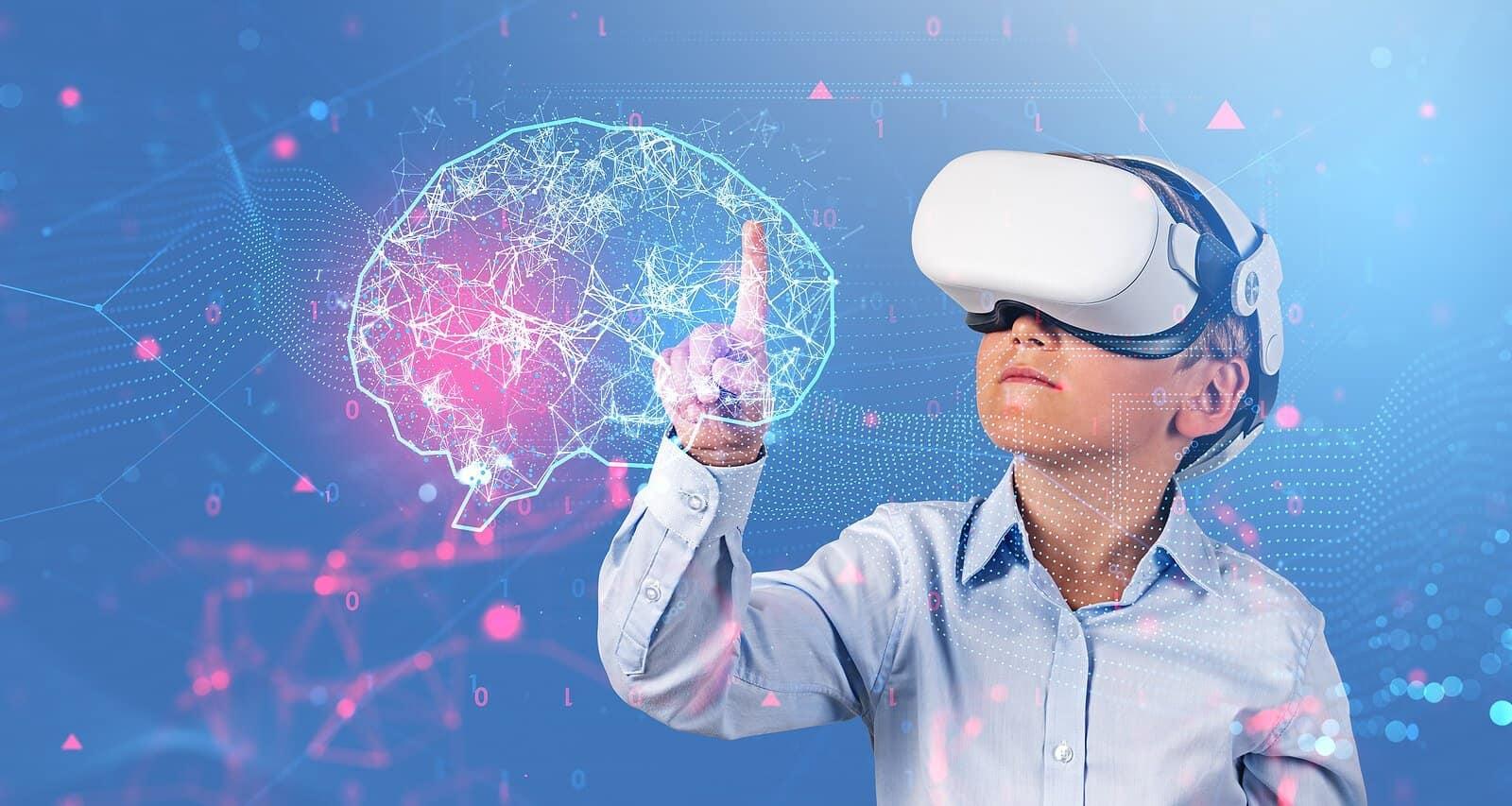
Unlocking Success: How to Overcome challenges in Integrating VR/AR into Curricula
The fusion of Virtual Reality (VR) and Augmented Reality (AR) with education is reshaping the way students learn, imagine, and explore the world around them. however, while VR/AR technologies promise transformative learning experiences, integrating them into existing curricula can pose important challenges for educators, administrators, and IT professionals. In this comprehensive guide, we reveal the key barriers, powerful solutions, firsthand insights, and actionable steps needed to unlock success in integrating VR/AR into yoru school or university curricula.
why Integrate VR/AR into Education Curricula?
- Engaged Learning: VR/AR immerses students in dynamic, interactive environments that capture attention and boost engagement.
- Experiential Understanding: Students explore concepts firsthand,improving retention and comprehension.
- Accessibility: Remote and underprivileged learners gain virtual access to labs, ancient sites, and global resources.
- Readiness for Future Careers: Exposure to immersive tech prepares students for emerging fields in STEM, medicine, architecture, and beyond.
Integrating VR/AR into curricula unlocks experiential, personalized, and deeper learning. Though, prosperous implementation demands overcoming several hurdles.
Key Challenges in Integrating VR/AR Technologies
1. Budget Restrictions and Cost of Devices
High-end VR headsets and AR devices can be expensive, while software licensing and hardware maintenance add ongoing costs. Educational institutions often struggle to allocate budgets for these advanced technologies.
2. Technical Infrastructure and Compatibility
Schools may lack the necessary network bandwidth, hardware, or IT support to operate VR/AR platforms seamlessly. Compatibility issues between devices and content can further complicate integration.
3. Lack of Teacher Training and Support
Educators need dedicated training to incorporate VR/AR effectively into lesson plans. Without proper guidance, even the best technology can go unused or lead to frustration.
4. Curriculum Alignment
Not all VR/AR content aligns perfectly with curriculum standards or learning goals, requiring careful planning and customization.
5. Device Management and Student Safety
Managing device usage, ensuring class control, and safeguarding student privacy and safety (e.g., limiting screen time, monitoring use) are critical concerns.
Proven Solutions: Overcoming VR/AR Integration Challenges
With proactive planning and strategic partnerships, educators can overcome the hurdles to VR/AR curriculum integration. Here are practical tips and approaches for success:
- Start Small & Scale Up: begin with a pilot program or a single VR/AR app. Evaluate its impact, gather feedback, and incrementally expand its use across subjects.
- Secure Funding & Partnerships: Apply for grants, collaborate with ed-tech firms, or seek community support. Many companies offer educational discounts or donation programs for hardware and software.
- Prioritize Teacher professional Progress: Host hands-on PD workshops, provide tutorial videos, and establish peer mentoring. Empower teachers to design engaging VR/AR activities aligned with curriculum goals.
- Choose Flexible, Curriculum-Ready Content: Select VR/AR resources that offer customizable lesson plans (e.g., Google Expeditions, Labster, CoSpaces Edu). Ensure content supports local or national standards.
- Utilize Web-Based & Mobile AR Solutions: Cloud-based AR applications or mobile-compatible VR platforms can lower costs and minimize infrastructure requirements.
- Implement Device Management Systems: Use classroom management software to monitor devices, restrict inappropriate content, and track usage.
- Focus on Accessibility & Inclusion: Design VR/AR experiences for learners of varying abilities and ensure content complies with accessibility standards.
Case study: Successful VR/AR Implementation
Lincoln High School’s Virtual Biology Lab
Lincoln High School, faced with limited science lab resources, partnered with a local university to launch a VR biology module. Using affordable VR headsets and free educational software, students dissected virtual frogs and explored cell structures in 3D.
Results:
- Lab engagement doubled compared to customary lessons
- Students reported higher retention and enthusiasm
- Science scores improved by 15% after one semester
- Teachers developed new interdisciplinary VR/AR lessons in collaboration with university partners
This example highlights the power of creative partnerships, resourcefulness, and starting small to drive VR/AR integration even in budget-constrained schools.
First-Hand Experience: Educator Insights
according to Sarah Martinez, a middle school science teacher, “when I first introduced mixed reality into my classroom, I was worried about technical hiccups and student distraction. But with a focused pilot program and support from my school’s tech lead, both students and staff quickly grew pleasant. Now, I see more curiosity, collaboration, and creativity in the classroom than ever before.”
Teachers who lead successful VR/AR integration efforts reccommend:
- Testing new technologies with a small group before school-wide rollout
- Co-designing VR/AR lessons where students help create or customize content
- Sharing lessons learned in educator communities and online forums
- Keep troubleshooting guides and IT support contacts readily available
Best Practices for Lasting VR/AR Curriculum Integration
- Engage Stakeholders Early: Involve teachers, administrators, IT staff, and even parents from the outset—seek input, share vision, and build enthusiasm together.
- Focus on Pedagogy, Not Just Technology: Ensure VR/AR activities enhance, not distract from, curriculum goals.Pair immersive experiences with meaningful reflection, discussion, and assessment.
- Monitor Impact, Iterate, and Scale: Measure student outcomes, collect feedback regularly, and refine your VR/AR program before expanding to more subjects or grade levels.
- Stay Updated on Trends: Join VR/AR education networks, attend conferences, and consult ed-tech blogs for the newest tools, content, and research.
- Plan for Long-Term Support: Budget for hardware upgrades, develop succession plans for tech leadership, and document implementation processes.
Conclusion: Unlocking the Future of Learning
Integrating VR/AR technologies into school and university curricula presents undeniable challenges—but with strategic planning, targeted support, and ongoing collaboration, these hurdles can be overcome. From enhanced student engagement and accessibility to future-readiness, immersive learning is transforming education.
Start your journey by piloting VR/AR experiences, securing partnerships, investing in teacher training, and monitoring student outcomes. With each step, you unlock greater potential for immersive, impactful, and truly memorable learning. Embrace the future—bring VR/AR into your classrooms and watch innovation come to life!