
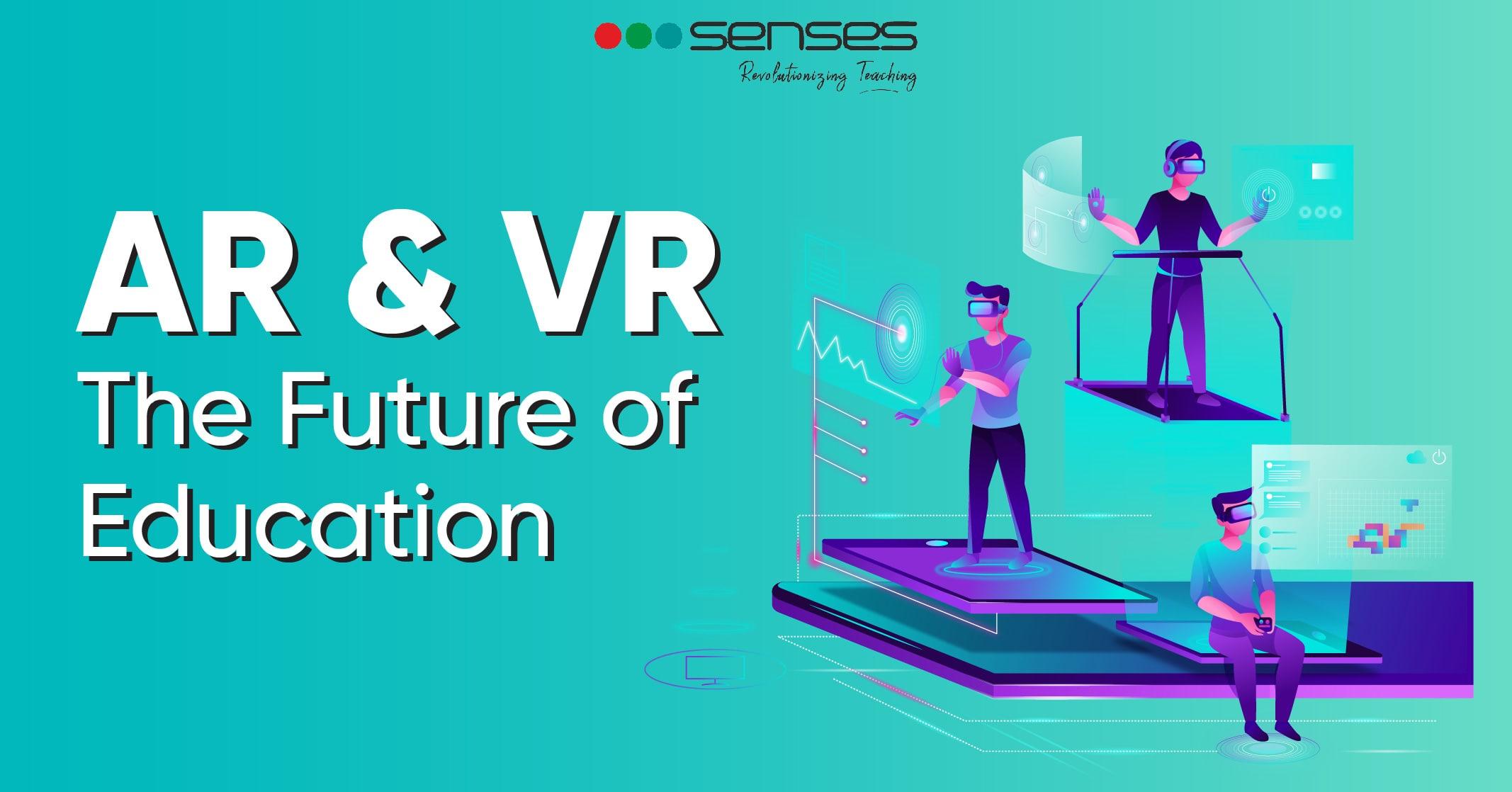
Unlocking Success: Overcoming Challenges of Integrating VR/AR into Educational Curricula
Augmented Reality (AR) and Virtual Reality (VR) are transforming education by creating immersive, interactive learning experiences tailored for digital natives. Though, despite their enormous potential, integrating VR and AR technologies into mainstream educational curricula brings a unique set of challenges. In this article, we’ll explore the hurdles educators face in adopting VR/AR, provide actionable strategies for overcoming these challenges, and share inspiring case studies and practical tips for successful implementation.
Why Integrate VR/AR into Educational Curricula?
The integration of Augmented Reality and Virtual Reality in classrooms fosters experiential learning, increases student engagement, and allows deeper understanding of complex subjects. Here’s how:
- Enhanced Visualization: Students visualize abstract concepts in 3D, making lessons more relatable.
- Active learning: Immersive environments stimulate curiosity and encourage problem-solving.
- Inclusive Education: VR and AR cater to various learning styles and abilities.
- remote Access: students can explore virtual labs, past sites, or ecosystems from any location.
Key Challenges in Integrating VR/AR into Education
Despite the benefits, embedding VR/AR in educational settings poses several challenges for schools and universities:
1.High Initial Costs and Limited Resources
- VR/AR hardware such as headsets and compatible devices can be expensive.
- Many educational institutions have limited budgets for technology adoption.
- Upgrading infrastructure to support new platforms may require notable investment.
2. Teacher Training and Skill Advancement
- Lack of training opportunities for instructors to use VR/AR effectively.
- Need for ongoing professional development to stay updated with evolving technologies.
3. Curriculum Alignment and Content Availability
- difficulty in finding or creating VR/AR content that aligns with learning standards and objectives.
- Limited availability of subject-specific VR/AR modules.
4. Technical Challenges and Accessibility
- Compatibility issues with different devices and platforms.
- Students with disabilities may face barriers to access.
- Potential for technical glitches that disrupt learning.
5. Privacy, Data Security, and Student Well-being
- Protecting sensitive student data within immersive environments.
- Preventing physical discomfort,eye strain,and disorientation linked to VR use.
Practical Tips for Overcoming VR/AR Integration Challenges
Addressing these challenges requires strategic planning, collaborative effort, and a willingness to innovate. Here are proven steps to unlock the full potential of VR/AR in education:
1. Start Small and Scale Up
- Begin with pilot programs using affordable VR/AR tools like Google Cardboard or mobile-based AR apps.
- Identify subjects or modules where immersive learning delivers the moast value (e.g., biology, history, STEM).
2. Invest in Professional Development
- Provide regular training workshops for teachers to learn VR/AR pedagogy and technical skills.
- Encourage peer-to-peer mentoring and sharing of best practices.
3. Collaborate with Industry Leaders
- Partner with educational technology companies to gain access to cutting-edge content and resources.
- participate in research projects and government grants focused on immersive technology in education.
4. Ensure Accessibility and Inclusivity
- Select VR/AR platforms with built-in accessibility features, such as screen readers and adjustable controls.
- Test new tools in diverse environments to identify and remove barriers for all students.
5.Focus on Student Safety and Data Privacy
- Implement cybersecurity measures and inform students about safe technology usage.
- Monitor usage to prevent physical discomfort and manage screen time responsibly.
Case Studies: Success Stories in VR/AR Education
Stanford University’s Virtual Anatomy Lab
stanford deployed VR simulations to revolutionize medical education. Students navigated 3D models of human organs, improving their comprehension and retention rates compared to traditional textbooks. Faculty reported higher engagement and faster skill acquisition in surgical training modules.
Australian National University’s AR Chemistry Lessons
Leveraging AR-enabled tablets, chemistry students visualized molecular structures and chemical reactions in real-time. Exam scores improved, and students became more confident in abstract problem-solving.
K-12 Classrooms in Finland Using VR for History Lessons
Elementary students used VR headsets to “travel” to ancient cities and interact with historical artifacts. Teachers found that students developed a stronger sense of time, place, and culture, with increased empathy for historical figures.
First-Hand Experience: Educators Share Insights
“Introducing VR in my classroom was daunting, but starting with manageable exercises and collaborating with colleagues made all the difference. Students love the interactive elements, and I’ve seen significant improvements in engagement and understanding.”
—Sarah L., High School Science Teacher
“Our IT department worked closely with faculty to ensure data security for VR projects. We built a policy that balances innovation with student privacy, and everyone feels more confident exploring immersive learning.”
—James W., College IT coordinator
best Practices for Effective VR/AR Integration
- Define clear educational objectives before implementing any VR/AR experience.
- Gather feedback from students and teachers to iterate and improve programs.
- Monitor outcomes using data analytics to measure impact on student achievement.
- Blend VR/AR with traditional teaching, creating a balanced learning habitat.
The Future of VR/AR in Education
As hardware costs decrease and content production scales, VR and AR will increasingly shape the next generation of learners. We foresee stronger industry partnerships, richer multimedia libraries, and more inclusive tools designed to serve diverse student populations. Educational institutions must stay adaptable, embracing immersive tech not just as a novelty, but as a critical tool for fostering innovation and lifelong learning.
Conclusion
Integrating VR/AR into educational curricula is more than just adopting new gadgets—it’s about creating richer, more personalized learning environments. While the journey presents real challenges—cost, training, content, accessibility, and security—visionary educators and tech leaders are already unlocking success through collaboration, strategic planning, and a focus on student outcomes. By applying the tips, case studies, and first-hand experience shared above, institutions can confidently overcome barriers and pave the way for a future where immersive learning is accessible to all.
Ready to transform your classrooms? Explore our website for more resources, updated guides, and expert insights on integrating VR/AR into educational curricula!