
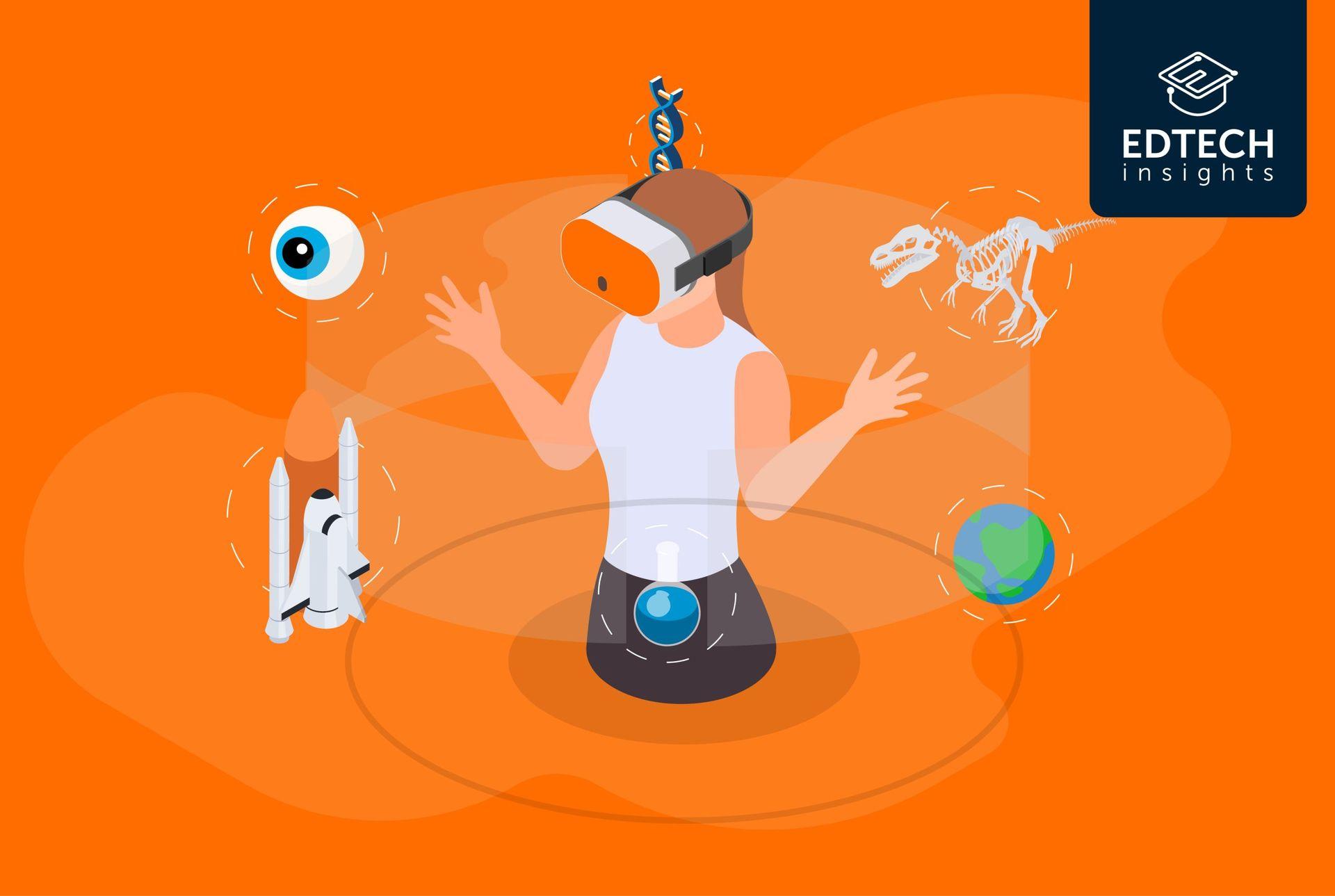
Unlocking Success: Proven Strategies for Overcoming VR/AR Integration challenges in Education
Virtual Reality (VR) and Augmented Reality (AR) are revolutionizing the education sector, transforming how students engage, learn, and interact with academic material. Though, integrating VR/AR in education brings its own set of challenges, ranging from technological barriers to issues of curriculum alignment and instructor training. In this guide, we’ll explore proven strategies to overcome common VR/AR integration challenges in education and unlock the full potential of immersive learning for students and educators alike.
Why Integrate VR/AR in Education?
As digital transformation accelerates in schools and universities worldwide, VR/AR in education offers tangible benefits:
- Enhanced Engagement: Immersive environments increase student motivation and participation.
- Experiential Learning: Complex subjects are made accessible via hands-on simulations and 3D visualizations.
- Remote Collaboration: Virtual classrooms let students and teachers collaborate irrespective of geography.
- Safe Practice Spaces: Students can practice surgeries, experiments, or public speaking in a zero-risk setting.
Common Challenges in VR/AR Integration
Before developing solutions, it’s critically importent to understand the common challenges of integrating VR/AR in education:
- High Initial Costs: Hardware, software, and content creation can require meaningful investment.
- Lack of Technical Expertise: Many educators lack training in emerging technologies.
- Curriculum Alignment: Difficulty in seamlessly bridging VR/AR content with existing learning outcomes.
- Infrastructure Limitations: Outdated devices, insufficient internet bandwidth, or lack of support.
- Accessibility Concerns: Ensuring VR/AR is usable for all students, including those with disabilities.
- Scalability: Implementing solutions across multiple classrooms or schools coherently.
Proven Strategies for Overcoming VR/AR Integration Challenges in Education
Successfully integrating VR/AR into educational settings demands a strategic and collaborative approach. Here’s how to address the primary barriers:
1. Start with Pilot Programs
- Test on a Small Scale: Implement VR/AR in a few classes or subjects initially. evaluate benefits and challenges before broader rollout.
- Collect Feedback: Involve educators and students in reviewing and refining implementation processes.
2. Invest in Ongoing Teacher Training
- Extensive Professional Growth: Offer workshops and certification programs focusing on VR/AR tools, lesson planning, and classroom management.
- Peer-to-Peer Learning: Encourage tech-savvy teachers to mentor others, sharing best practices and tips for overcoming integration issues.
3. leverage Cost-Effective Solutions
- Utilize Mobile VR: Smartphone-based VR solutions are more affordable and widely accessible compared to high-end headsets.
- Adopt Open-Source Platforms: Use free or low-cost VR/AR content libraries and development tools to minimize expenses.
- Seek Grants and Partnerships: Work with educational foundations, tech companies, or government programs to offset costs.
4. Focus on Curriculum Integration
- Align With Learning Objectives: Select VR/AR content that directly supports course goals and standards.
- Collaborative Planning: Involve curriculum designers, subject experts, and technology specialists to customize experiences.
5. Ensure Accessibility and Inclusivity
- Universal Design principles: Choose VR/AR applications that prioritize usability for individuals with disabilities (e.g.,subtitles,alternative controls).
- Flexible Content: Offer multiple ways for students to participate in VR/AR activities, including non-immersive alternatives.
6. Upgrade Infrastructure Gradually
- Network Readiness: Ensure Wi-Fi and server systems can handle high data loads typical in VR/AR environments.
- Incremental Hardware Investments: Begin with a small number of devices and expand as demand and funding increase.
7. Foster a Culture of Innovation
- Encourage Experimentation: Let teachers and students explore creative uses for VR/AR, celebrating successful projects.
- Build Support Networks: Establish communities of practice, both within your institution and with external VR/AR educators worldwide.
Case Study: VR Integration at a Leading University
The University of Oxford recently piloted VR lab simulations within their chemistry curriculum. By starting small—using mobile VR headsets and open-source content—the program kept costs low, allowing the university to:
- provide immersive chemical experiments where physical labs were unavailable.
- Train instructors through targeted workshops before scaling up.
- Evaluate accessibility and equity issues, resulting in the design of multi-modal learning pathways.
The pilot’s success has encouraged expansion into physics and medical programs, demonstrating the effectiveness of a staged, strategic approach.
First-hand Experience: Teacher Perspectives
“Initially, I was nervous about using VR in my biology class, but with proper training and support, it became an invaluable tool to illustrate complex anatomical structures. Students were more engaged, asked deeper questions, and retained facts longer. The key was starting simple and scaling gradually.”
— Lisa M., High School Science Teacher
Best Practices for VR/AR Integration Success
- Start Simple: Don’t try to overhaul your entire curriculum at once—begin with one lesson or module.
- Prioritize Student Experience: Focus on ease of use, accessibility, and engagement for all learners.
- Evaluate and Iterate: Collect ongoing feedback from students and staff to continuously improve VR/AR applications.
- Plan for Sustainability: Budget for equipment upgrades, content updates, and regular teacher training.
Conclusion: Unlocking the True Potential of VR/AR in Education
Integrating VR and AR into education can deliver unparalleled benefits—boosting engagement, deepening understanding, and democratizing access to high-quality learning experiences. While challenges exist, they are far from insurmountable. through thoughtful planning, strategic investment in training and infrastructure, and a commitment to inclusivity and innovation, schools and universities can transform VR/AR integration challenges into opportunities for educational excellence.
Ready to embark on your immersive education journey? Harness these strategies to unlock success in your institution and prepare students for a future powered by technology and creativity.