
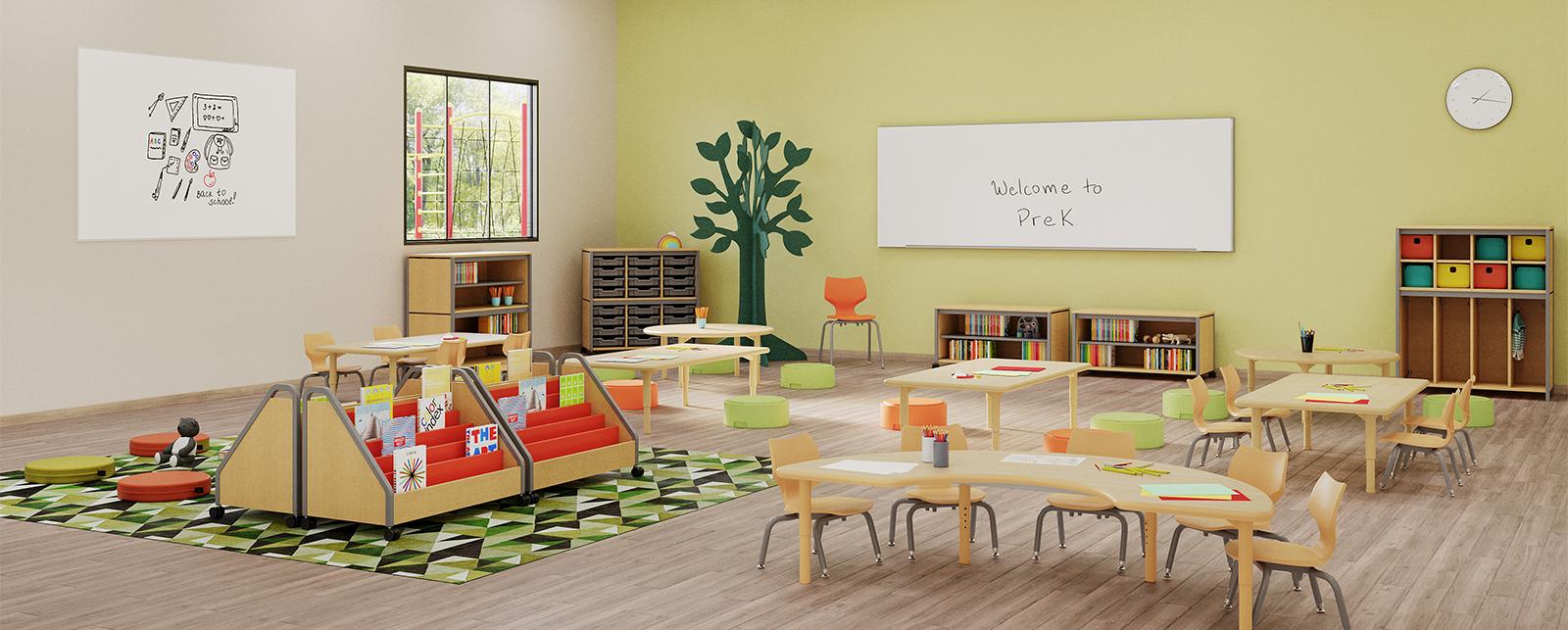
Unlocking Success: SEL Strategies for Students with Special Needs
Social and Emotional Learning (SEL) has become a cornerstone of effective education, empowering students to navigate their emotions, build healthy relationships, and make responsible decisions. For students with special needs, integrating SEL into daily instruction is not just beneficial—it’s transformative. In this extensive guide, we delve into SEL strategies for students with special needs, exploring actionable tips, practical benefits, and firsthand experiences to help every student unlock their fullest potential.
What is SEL and why is it Crucial for Students with Special Needs?
SEL, or Social and Emotional Learning, refers to the process through which individuals acquire and apply the knowledge, skills, and attitudes needed to:
- Understand and manage emotions
- Set and achieve positive goals
- Feel and show empathy
- Establish and maintain positive relationships
- Make responsible decisions
For students with special needs—including those with autism, ADHD, learning disabilities, or emotional and behavioral disorders—these skills are especially vital. SEL equips them with tools to overcome challenges, boost self-confidence, and succeed both academically and socially.
Key Benefits of SEL for Students with Special Needs
Embedding SEL in special education programs yields remarkable outcomes. Here are some key benefits:
- Enhanced Emotional Regulation: SEL strategies empower students to identify and manage overwhelming feelings, reducing anxiety and meltdowns.
- Improved Social Skills: Through structured SEL activities, students learn turn-taking, active listening, and conflict resolution.
- Increased Engagement: SEL fosters inclusion, making students feel valued and motivated to participate.
- Academic Gains: Research shows that SEL supports improved academic performance by addressing barriers to learning.
- Better relationships: Students develop trust and form friendships, which further reinforce positive behaviors.
These benefits highlight why SEL strategies for students with special needs are a crucial aspect of modern education.
Effective SEL Strategies for Students with Special Needs
Implementing SEL in special education requires a personalized approach. Here are evidence-based strategies that can be adapted for diverse learners:
1. Explicit Instruction in Social Skills
- Break down complex social concepts into manageable steps.
- Teach direct lessons on identifying emotions, perspective-taking, and appropriate responses.
- Use visual aids and role-playing to reinforce learning.
2. Visual Supports and Social Stories
- Leverage picture cues,emotion cards,and storyboards to illustrate social situations.
- Create personalized social stories to prepare students for new experiences and expected behaviors.
3. Mindfulness & Self-Regulation Exercises
- Incorporate breathing exercises, guided imagery, or sensory breaks to build awareness and control.
- Use tools like fidget spinners, weighted blankets, or quiet corners for self-regulation when needed.
4. Peer-mediated Interventions
- Pair students with peer mentors for social support and modeling.
- facilitate collaborative group work to encourage cooperation and connection.
5. Consistent Dialog with Families
- Maintain regular updates and share SEL goals with parents/caregivers.
- Encourage families to practice SEL skills at home for continuity and reinforcement.
6. Use of Technology and Adaptive Tools
- Integrate SEL apps and digital games that practice perspective-taking and empathy.
- Employ assistive technology such as speech-to-text or visual schedules to scaffold participation.
7. Positive Behavior Support Systems
- Establish clear routines and expectations, using positive reinforcement to acknowledge successes.
- Identify personalized rewards that motivate and celebrate student progress.
Practical Tips for Educators: Making SEL inclusive
For special education teachers and support staff, fostering an inclusive classroom climate enhances the effectiveness of SEL interventions. Consider the following tips:
- Differentiate Instruction: Adapt activities by varying complexity, materials, or support based on individual IEP goals.
- Build Safe Spaces: Create an environment where mistakes are treated as learning opportunities and diversity is celebrated.
- Model SEL Skills: Demonstrate emotional regulation, active listening, and empathy in daily interactions.
- Monitor Progress: Use regular check-ins, observations, and student self-assessments to track SEL growth.
- Promote student Voice: Involve students in setting their own SEL objectives and reflecting on progress.
Real-Life Examples: SEL in Action with Special Needs Students
Let’s explore some inspiring, real-world examples where SEL strategies made a tangible difference for students with special needs:
Case Study 1: Supporting a Student with Autism Spectrum Disorder (ASD)
Mrs. Gill, a special education teacher, noticed that one of her students with ASD struggled with group activities and emotional outbursts. She implemented visual schedules and personalized social stories to help the student anticipate changes.Through weekly ‘emotion check-ins’ and role-playing, the student gradually improved in identifying feelings and handling transitions. By the end of the year,the student was participating more confidently in group lessons and had formed a new friendship.
Case Study 2: Building empathy in a Multi-Needs Classroom
At Lincoln elementary, the teaching team introduced mindfulness exercises and empathy games during morning meetings. Students with ADHD, learning disabilities, and physical challenges practiced ‘mindful listening’ and shared stories of kindness. Over time, educators reported fewer conflicts and more peer support, fostering a truly inclusive learning community.
Overcoming Common Challenges in SEL for Special Needs
Despite the benefits, implementing SEL with students who have special needs presents unique challenges:
- Communication Barriers: Students with limited verbal abilities may require AAC devices or option communication methods.
- Generalization: Students may master SEL skills in one setting but struggle to transfer them. Collaboration with families and specialists can enhance generalization.
- Time Constraints: Balancing academic and SEL instruction can be difficult. Integrate SEL into existing routines for seamless implementation.
Firsthand Perspectives: Teachers and Families Speak Out
Teachers and families are invaluable partners in SEL for special needs. Here’s what they have to say:
“Incorporating SEL into our IEP goals has been life-changing. My son is more confident and interacts better with classmates.”
- Parent of a student with learning disabilities
“Morning check-ins with emotion cards help my students understand how they feel—and how to ask for help when they need it.”
– Special education teacher
Frequently Asked Questions About SEL Strategies for Special Needs Students
- Q: Can SEL strategies be adapted for older students with special needs?
A: Absolutely! Tailor activities to be age-appropriate and relevant, focusing on self-advocacy and transition skills.
- Q: are SEL and behavior support different?
A: They complement each other.SEL builds foundational emotional skills, while behavior support offers structured interventions for challenging behaviors.
- Q: How can schools measure success in SEL for special education?
A: Use qualitative and quantitative tools, such as student self-reporting, behavioral data, and IEP goal progression.
Conclusion: Fostering Lifelong Success Through SEL
Implementing SEL strategies for students with special needs can transform classrooms, nurture independence, and set the stage for lifelong achievement. By focusing on individualized supports, collaboration, and inclusion, educators and families can ensure every student is empowered to thrive. Remember: social and emotional skills are as essential as academic skills—unlock them, and you unlock your students’ potential for success.