
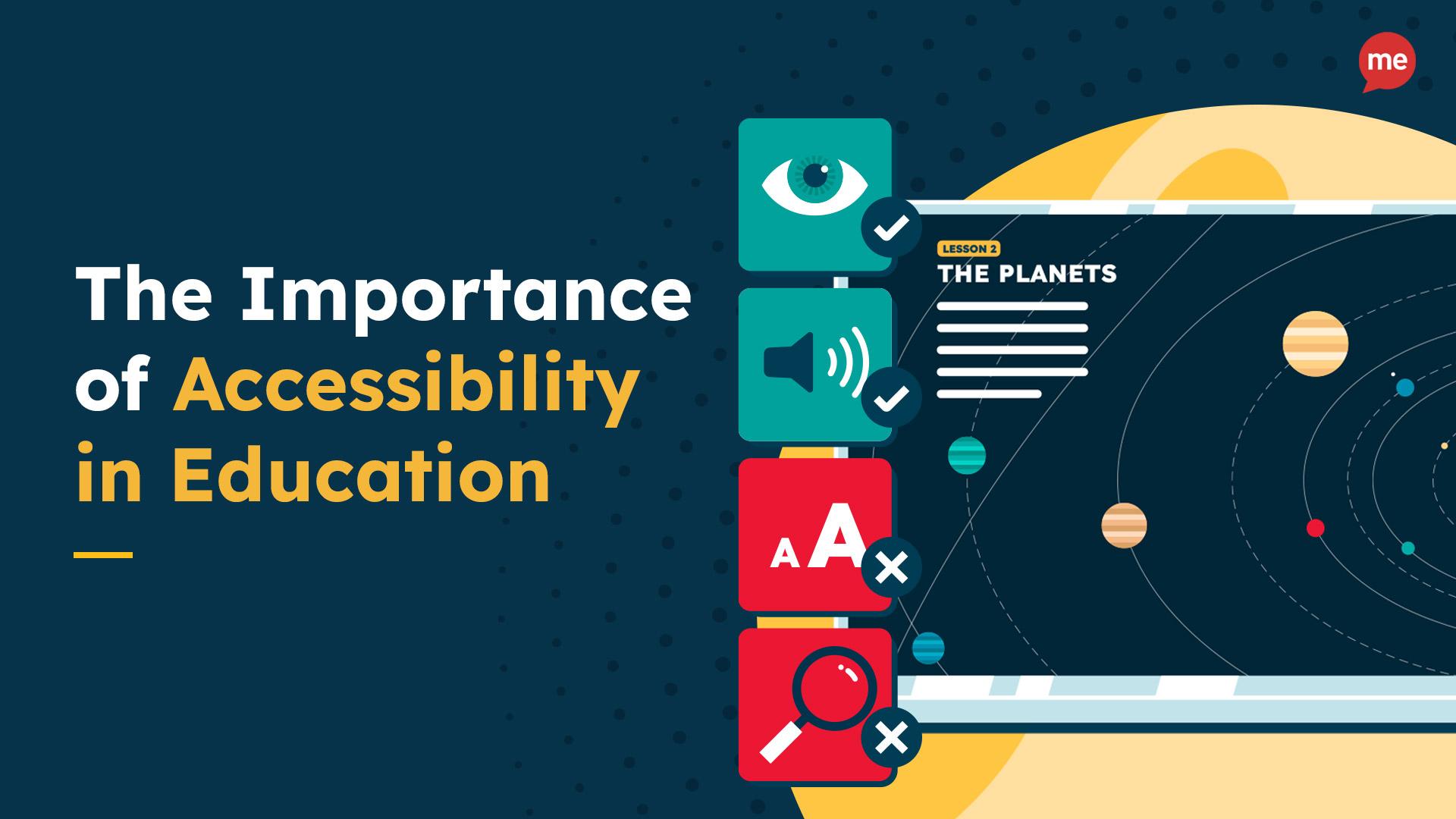
Unlocking Success: The Essential Role of an Accessibility Specialist in Learning Tools
Are you passionate about making education accessible to all? Do you dream of a career where your skills in education technology can dramatically influence learners’ experiences? If so,the role of an Accessibility Specialist in Learning Tools might be your ideal career path. In this comprehensive article, we’ll delve into the vital responsibilities of accessibility specialists, explore the benefits of this in-demand profession, and offer expert tips for landing a rewarding job in universities, colleges, or schools.
Introduction: The Rise of Accessibility in Education Technology
Today’s educational landscape is increasingly digital. Online courses, virtual classrooms, and interactive learning tools have transformed how students engage with knowledge. Though,ensuring that these technologies are accessible to all learners—irrespective of physical,cognitive,or sensory abilities—requires dedicated professionals. accessibility specialists bridge the gap between innovative learning solutions and the diverse needs of students, creating inclusive environments that empower everyone to succeed.
What is an Accessibility Specialist in Learning Tools?
An Accessibility Specialist in education technology is an expert who ensures that digital learning tools meet accessibility standards and guidelines. Their primary mission is to guarantee that educational resources are usable by all students, including those with disabilities. These professionals play a crucial role in higher education institutions and K-12 schools, collaborating with instructional designers, software developers, and educators to embed accessibility best practices into every aspect of digital learning.
Key Responsibilities
- Conducting accessibility audits of learning management systems (LMS), course materials, interactive apps, and websites.
- Implementing and monitoring compliance with standards like WCAG (Web Content Accessibility Guidelines), Section 508, and ADA (Americans with Disabilities Act).
- Advising curriculum developers and faculty on accessible content design, such as the use of alternative text for images, proper video captioning, and navigable interfaces.
- Providing training and resources to educators and designers about inclusive practices and assistive technologies.
- Testing learning tools with real users—students with disabilities—to identify practical barriers.
- Collaborating in the procurement and development process to ensure new technologies meet accessibility standards from the outset.
Why Accessibility Matters in Education Technology
Accessibility isn’t just a legal requirement—it’s an ethical imperative. When digital learning environments are designed with accessibility at the forefront, universities, colleges, and schools can:
- Ensure equitable access to education for students with disabilities.
- Reduce barriers and improve student engagement across diverse populations.
- Meet regulatory compliance, avoiding legal ramifications and reputational risk.
- Foster innovation and enhance overall usability for all learners.
With an estimated one in five students experiencing some form of disability, the demand for qualified accessibility specialists in education technology continues to rise. If you’re considering this career path, you’re entering a field with purpose, growth potential, and rewarding outcomes.
benefits of Becoming an Accessibility Specialist in Learning Tools
Pursuing a job as an education technology accessibility specialist offers advantages for both personal growth and societal impact. Here are some of the top benefits:
Professional Fulfillment
- Work on meaningful projects that directly empower students.
- Be at the forefront of technology, innovation, and educational best practices.
- Develop expertise in accessible web development, inclusive curriculum design, and assistive technologies.
Diverse Career Opportunities
- In-demand roles at universities, colleges, schools, and EdTech companies.
- Potential for advancement into management or policy-making positions within student services, IT departments, or academic affairs.
Competitive Compensation and Stability
- With increasing legal and institutional focus on accessibility, these positions often command competitive salaries.
- Long-term job security as accessibility becomes integral to education technology strategies.
Required Skills and qualifications
accessibility specialists in learning tools typically have a blend of technical, instructional, and advocacy skills. Common qualifications and proficiencies include:
- Degree in instructional design, computer science, education technology, data systems, or related fields.
- Experience with accessibility standards (e.g., WCAG, Section 508).
- Technical expertise in HTML5, ARIA landmarks, CSS, and popular Learning Management Systems.
- Familiarity with assistive technologies such as screen readers, braille displays, and voice recognition tools.
- Strong interaction skills, able to translate technical concepts for non-technical audiences.
- Certification in accessibility (such as IAAP CPACC or WAS) is highly beneficial.
Practical Tips for Job Seekers: How to Become an Accessibility Specialist
1. Gain Relevant Experience
- Seek internships, volunteer roles, or freelance projects that allow you to work on accessibility initiatives.
- Build a portfolio demonstrating your ability to audit, design, and improve accessible learning tools.
2. Stay Current with Accessibility Trends
- Subscribe to websites and publications focused on accessibility in education technology.
- Regularly review updates to WCAG and related legislation impacting higher education.
3. Network with Industry Professionals
- Join accessibility and EdTech user groups, attend conferences, and participate in online forums.
- Engage with accessibility specialists at universities and colleges to learn about typical job duties and application processes.
4. Develop Technical Skills
- Master accessibility testing tools, such as Axe, WAVE, or JAWS.
- Learn how to create accessible documents, presentations, online courses, and multimedia content.
5.Tailor Your Application Materials
- Customize your resume and cover letter to showcase accessibility-related skills and achievements.
- Highlight your experience collaborating with diverse teams,implementing accessible solutions,or conducting trainings in inclusive practices.
6. Prepare for Interviews
- Be ready to discuss real-world accessibility challenges and how you addressed them.
- Mention your familiarity with compliance laws and practical assessment techniques.
Challenges and Opportunities
Working as an accessibility specialist in learning tools isn’t without its challenges. Advocating for change,educating colleagues,and staying ahead of evolving technology demands a growth mindset. However, these challenges pave the way for significant professional rewards:
- Opportunity to lead strategic initiatives on accessibility at your institution.
- Contribute to organizational conversion, embedding inclusivity into educational culture.
- Be recognized as a thought leader in both education technology and accessibility.
Conclusion: Shaping the Future of Accessible Learning
The essential role of an Accessibility Specialist in Learning Tools is only getting more vital as universities, colleges, and schools expand their digital offerings.By championing inclusion, ensuring compliance, and embracing technological innovation, accessibility professionals make a lasting difference in education. If you’re eager to unlock a rewarding career in education technology, now is the time to build your skills, grow your network, and pursue a job that truly shapes the future of accessible learning for all.