
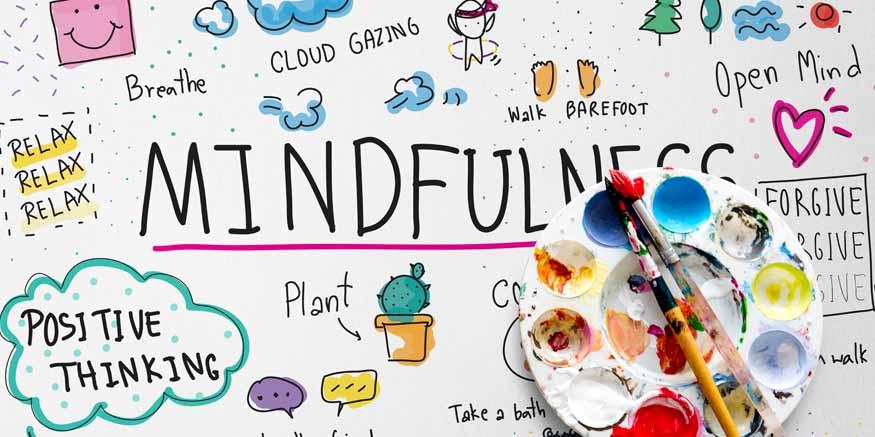
Unlocking Success: The Essential Role of Mindfulness in Modern Education
In today’s fast-paced, technology-driven world, both students and teachers face unprecedented stress and distractions. As educators and parents search for effective ways to improve academic performance and student well-being, mindfulness in modern education emerges as a powerful solution. More than a buzzword, mindfulness is a scientifically-backed strategy with the potential to transform classrooms and unlock lasting success for learners. In this article, we’ll explore the essential role of mindfulness in education, its key benefits, practical tips, and insights from real-world applications.
What is Mindfulness?
Mindfulness is the practice of paying purposeful, non-judgmental attention to the present moment. When applied in educational settings,it encourages students and teachers to stay centered,aware,and open to their experiences—reducing anxiety,improving focus,and promoting emotional intelligence. But how exactly does mindfulness relate to academic achievement and the well-being of our future generations?
Why Mindfulness Matters in Modern Classrooms
Classroom environments are becoming more complex, with increasing academic pressures, standardized testing, and digital distractions. According to research, the mental health of students—at all levels—has become a growing concern. Mindfulness acts as an antidote to these challenges by:
- Reducing stress and anxiety
- Improving concentration and cognitive function
- Boosting emotional regulation and resilience
- Enhancing classroom relationships and empathy
- Supporting overall student and teacher well-being
These benefits contribute substantially to both student success and a healthier, more inclusive school culture.
Key Benefits of Mindfulness in Education
1.Academic and Cognitive Growth
Integrating mindfulness practices into daily routines can optimize the brain’s ability to absorb, retain, and apply new facts. Studies show that regular mindfulness exercises improve memory, executive function, and creative thinking—critical factors for academic achievement.
2.Emotional intelligence and Resilience
Mindfulness teaching encourages students to recognize and accept their emotions, leading to better self-regulation, reduced aggression, and increased patience. As a result, students develop emotional intelligence—a cornerstone for personal success in and outside the classroom.
3. Improved Social Connections
When mindfulness is practiced as a community, it promotes compassion, active listening, and empathy among peers. Stronger social bonds create a supportive learning environment that enhances motivation, collaboration, and inclusivity.
4. Enhanced Teacher Well-Being
Teachers benefit profoundly from mindfulness as well. It helps reduce burnout,fosters job satisfaction,and improves classroom management,enabling educators to model calmness and resilience for their students.
Practical Ways to Incorporate Mindfulness into Classrooms
Introducing mindfulness doesn’t require overhauling your curriculum. Here are simple,effective ways to implement mindfulness practices in modern education:
- Mindful Breathing: Start each class with two minutes of deep,guided breathing to calm the mind and set a positive intention.
- Body Scans: Encourage students to bring awareness to their bodies, releasing physical tension and grounding themselves in the present.
- Gratitude Journals: Dedicate time each week for students to write down what they are thankful for,cultivating optimism and positive thinking.
- Mindful Listening: Practice attentive listening during group discussions to build mutual respect and better interaction skills.
- Movement Breaks: Incorporate short yoga or stretching sessions to re-energize and refocus students between academic tasks.
Integrating these simple exercises can help build a routines of mindfulness that support both learning and emotional health.
Case Studies: Mindfulness in Action
To better understand the transformative power of mindfulness, let’s examine several real-world examples where educational institutions have embraced these practices:
Case Study 1: San Francisco Unified School District
The San Francisco Unified School District launched the “Mindful Schools” program across several campuses. Teachers reported noticeable improvements in student behavior, emotional self-regulation, and academic engagement.Suspensions dropped, and classrooms became calmer, more inclusive spaces.
Case Study 2: Bangor university,UK
At Bangor University,students participating in the “mindfulness-Based Student Training” course displayed reduced stress levels during exams and higher overall academic performance compared to their peers. The program also noted increased self-confidence and lower dropout rates.
Case Study 3: south Burlington School District, Vermont
Schools in South Burlington integrated mindfulness practices with daily classroom activities and staff professional development. Both teachers and students reported greater well-being, enhanced focus, and improved conflict resolution skills, confirming the far-reaching impact of a mindful school culture.
First-Hand Experience: A Teacher’s Perspective
Sarah Edwards, an elementary school teacher with over a decade of experience, shares her insights:
“introducing mindfulness to my classroom transformed not only my students’ learning but also my teaching style. We start each day with a short mindful moment. I’ve noticed fewer behavioral disruptions, more meaningful class participation, and a happier, more motivated group of students.Mindfulness is now an integral part of our classroom culture.”
Mindfulness and Digital Learning: Cultivating Focus in a Hyper-connected World
With remote learning and screens becoming central to education, maintaining attention and reducing distractions is more challenging than ever. Mindfulness provides strategies to boost focus and digital well-being:
- Screen Breaks: Promote intentional pauses away from devices to refocus and reduce digital fatigue.
- Mindful Transitions: Encourage students to take 30 seconds of deep breathing before and after online lessons, helping them mentally shift between activities.
- Single-Tasking: Reinforce the importance of focusing on one task at a time, diminishing the urge to multitask.
Educators and parents can use apps and guided meditations specially designed for students to further enhance these practices in a digital age.
Tips for Schools and Parents: Fostering Mindfulness Beyond the Classroom
- encourage mindful moments at home—practice gratitude, mindful eating, or guided meditations as a family.
- Organize staff mindfulness training sessions to build resilience among teachers and equip them with self-care strategies.
- Create mindfulness corners or quiet spaces in schools and at home for relaxation and reflection.
- Incorporate mindfulness resources and books into the school library for easy access.
Conclusion: The Future of Mindfulness in Education
The integration of mindfulness in modern education is more than a temporary trend—it’s an essential strategy for unlocking the full potential of students and educators alike. With proven benefits for academic performance, emotional well-being, and classroom dynamics, mindfulness stands out as a vital tool in building resilient, compassionate, and successful learners for the future.
By embracing mindfulness in classrooms and beyond, we empower the next generation to thrive—academically, emotionally, and socially. Let’s unlock success, one mindful moment at a time.