
Unlocking Success: The Future of Educational Gamification in Learning
Educational gamification is rapidly redefining how knowledge is shared and absorbed in today’s fast-paced, digital world. By blending the thrill of games with tactile learning, educators are unlocking a realm of unprecedented engagement, retention, and success.But what does the future hold for gamified learning environments, and how can schools, instructors, and learners prepare for the next big leap?
Introduction: The Power of Play in Education
Gone are the days when games were seen as mere distractions from serious studies. The future of educational gamification is about harnessing the motivational principles found in games—think competition, rewards, and immediate feedback—to supercharge learning both inside and outside the classroom.As digital platforms and AI-powered learning tools evolve,gamification is not just a trend—it’s shaping into a permanent cornerstone of effective education.
What Is Educational Gamification?
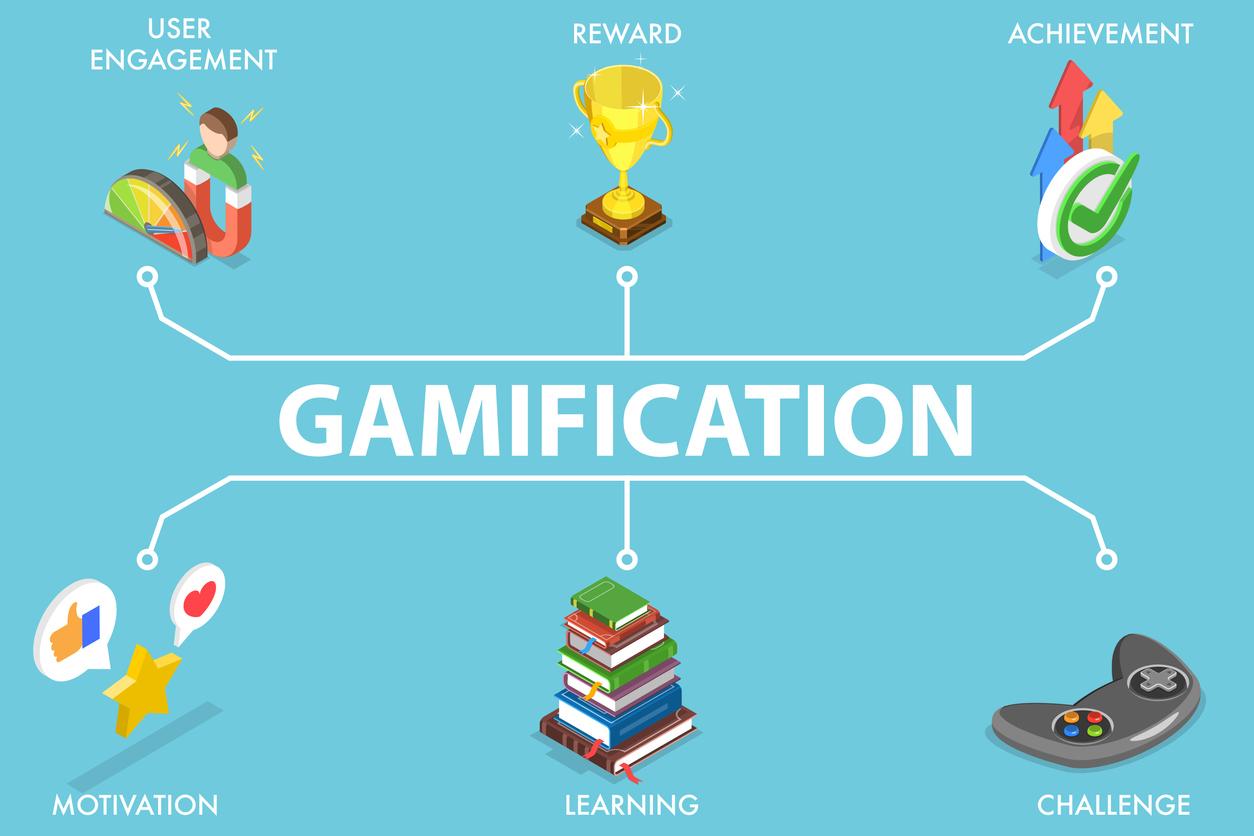
Educational gamification refers to the strategic integration of game mechanics and elements—like points, badges, missions, and leaderboards—into traditional learning activities. the aim is to:
- Increase learner engagement and motivation
- Promote active problem-solving
- Enhance knowledge retention and recall
- Foster healthy competition and collaboration
With the rise of online education and EdTech,gamification is now accessible like never before,making learning interactive,social,and fun.
Benefits of Gamification in Learning
Integrating gamification in education comes with a host of advantages for learners and educators alike. The key benefits include:
1. Enhanced Engagement and Motivation
- Game elements such as points, rewards, and levels tap into learners’ intrinsic motivation.
- Interactive storylines and challenges make lessons more compelling and encourage active participation.
2. Immediate Feedback and Progress Tracking
- Gamified platforms provide real-time feedback, helping learners quickly spot misconceptions and improve.
- Progress badges and completion charts stimulate a sense of achievement.
3. Improved Knowledge Retention
- Interactive challenges and repetition mechanics help cement new concepts into long-term memory.
- Gamification encourages students to revisit topics,boosting learning retention.
4. Inclusive and Adaptive learning
- Personalized game tasks adapt to different learning styles and paces.
- Collaborative leaderboards foster social learning and community spirit.
5. Developing Key Skills for the Future
- Enhances skills such as critical thinking, collaboration, and digital literacy.
Future Trends in Educational Gamification
The future of gamification in education is radiant and brimming with possibility. Here are some of the emerging trends that are transforming classrooms worldwide:
1. Artificial Intelligence and adaptive learning
Personalized learning powered by AI and machine learning is enabling customized game mechanics,adapting challenge levels,and curriculum based on student performance and preferences.
2. Augmented and Virtual Reality (AR/VR)
Immersive experiences—such as virtual science labs or historical adventures—make abstract concepts tangible, deepening understanding and increasing recall.
3. Integration with Learning Management Systems (LMS)
Popular platforms like Moodle,Google Classroom,and Canvas are integrating gamified elements,allowing seamless tracking of progress and rewards without disrupting existing curricula.
4. Social and Collaborative Gaming
Learning is becoming more community-driven, with multiplayer quizzes, peer challenges, and shared achievements fostering teamwork and accountability.
5. Microlearning through Game Mechanics
Short, bite-sized learning activities embedded in mobile apps or digital platforms make learning easier and more accessible, catering to the ever-decreasing attention span of modern learners.
Real-World Case Studies: Gamification Success stories
Let’s take a look at how educational gamification is transforming actual learning environments:
- Kahoot! – A game-based learning platform used by millions worldwide. Teachers create quizzes, and students participate using mobile devices. Result: Increased classroom engagement and improved test scores.
- Classcraft – Turns lessons into adventure games. students customize avatars, form teams, and earn rewards for academic achievements and positive behavior. Result: Increased collaboration and reduced classroom disruptions.
- Duolingo – This language learning app uses badges, streaks, and playful challenges to encourage consistency. Result: High levels of daily usage and continuous skill acquisition among learners of all ages.
Practical Tips: How to Implement Gamification in Your Learning Environment
Ready to unlock the full potential of educational gamification? Here are actionable tips to get started:
- Start Small – Integrate mini-competitions or point systems into current lesson plans before rolling out full platforms.
- Set Clear Goals – Establish what success looks like (higher participation, improved scores, better collaboration).
- Select the right Tools – Research user-friendly gamification platforms, such as Kahoot!, Quizizz, or TriviaMaker, that align with your curriculum needs.
- personalize the Challenge – Adapt difficulty levels and rewards to keep all learners engaged.
- Encourage Healthy Competition – Leaderboards and team challenges increase motivation when used positively.
- Collect feedback – Regularly ask students for input to refine game elements and maximize impact.
First-Hand Experience: Teacher and Student Perspectives
Many educators who have adopted gamification in the classroom report:
- Students displaying higher attendance and participation rates.
- Quieter students gaining confidence and joining discussions more actively.
- Improved academic results, especially in subjects previously seen as “arduous” or “boring”.
- Reduced behavioral problems as students focus their energy on achieving learning goals within the gamified structure.
Students frequently enough say they feel more “in control” of their learning, boosting their self-motivation and enjoyment.
Challenges and Considerations
While the future of educational gamification is promising, it is vital to consider:
- Ensuring equity—access to tech and internet for all students.
- Balancing fun with genuine learning objectives.
- Avoiding overwhelming students with too many competitive elements.
- Designing inclusive challenges catering to diverse skills and interests.
Conclusion: The Next level of Learning awaits
The future of educational gamification in learning is filled with promise, innovation, and opportunity. As classrooms become more digital, and new tools emerge, gamification will continue to unlock success for learners of all ages—igniting passion, boosting achievement, and building the skills necessary for tomorrow’s world.
Whether you’re a teacher eager to breathe new life into your curriculum, a student looking for more engaging ways to learn, or an EdTech developer driving the next great tool—embracing the principles of gamified learning is a move toward a brighter, more effective educational future.
Ready to unlock success? start small, experiment boldly, and discover how educational gamification can level up your learning experiences today!