
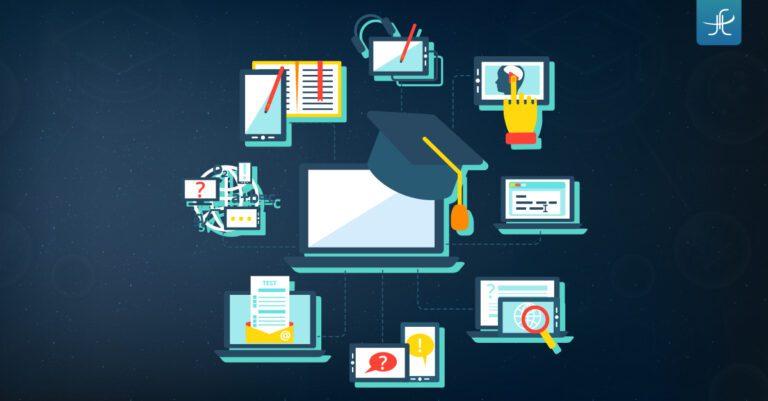
Unlocking success: The Future of educational Gamification in Transforming Learning
In today’s fast-paced digital world,the customary classroom is undergoing a dramatic makeover. Gamification in education is revolutionizing how students engage, learn, and succeed. By integrating game-based elements into learning, educators are unlocking amazing potential—and the future of educational gamification promises even more transformational change. This in-depth article will guide you through the evolving landscape of gamified learning, its proven benefits, the latest trends, and practical strategies to harness its power.
What is Educational Gamification?
Educational gamification refers to the application of game design principles and elements—such as point scoring, competition, rules of play, and rewards—to traditional learning environments. The aim? To foster motivation, participation, and retention among students of all ages.
- Game mechanics (points, badges, leaderboards)
- Incentives (virtual rewards, certificates, progression bars)
- Challenges and quests to increase engagement
- Instant feedback mechanisms
By transforming passive content into interactive experiences, educational gamification enhances both the enjoyment and efficacy of learning.
top Benefits of Gamified Learning
The impact of gamification in education extends far beyond just making lessons fun. Leading education technology (EdTech) research highlights a range of measurable benefits:
- enhanced Motivation: Game-like elements trigger intrinsic motivation, keeping learners engaged for longer periods.
- Improved Retention: Interactive and practical engagement helps cement knowledge and aids memory recall.
- Personalized Learning: Adaptive challenges and real-time feedback cater to diverse learner needs.
- Collaboration & Social Skills: Multiplayer features and group quests promote teamwork and dialog.
- Safe Space for Failure: Gamified environments encourage experimentation without real-world consequences, fostering resilience and a growth mindset.
Emerging Trends: The Future of Educational Gamification
as the future of educational gamification unfolds, several key trends are defining the next wave of transformational learning experiences:
-
Artificial Intelligence (AI) and Analytics:
Advanced AI algorithms are shaping adaptive learning paths and offering personalized game scenarios based on real-time performance data.
-
Virtual Reality (VR) and Augmented reality (AR):
Immersive technologies enable educators to create fully interactive, multi-sensory environments—from historical re-enactments to 3D science labs.
-
Blockchain for Credentialing:
Secure,transparent record-keeping ensures achievements and badges are transferable and verifiable across multiple institutions and platforms.
-
Microlearning with Gamified Content:
Bite-sized, focused learning modules paired with game mechanics cater to shorter attention spans and busy schedules.
-
social Learning through Esports and Competitive events:
Tournaments, challenges, and live leaderboards boost motivation and peer-to-peer connection.
Case Studies: Real-World Impact of Gamification in Learning
Duolingo: Language Mastery through Gamified Microlearning
Duolingo, a world-leading language learning platform, epitomizes accomplished educational gamification. Users progress through modules, earn badges, and compete with friends. Consequently, millions worldwide experience higher motivation, regular practice, and improved proficiency.
Classcraft: Turning the Classroom into an Adventure
In classrooms from the US to Europe,Classcraft transforms academic lessons into multiplayer quests. Teachers note improved attendance, collaboration, and participation.The platform’s real-time feedback lets students see the direct impact of their choices—promoting ownership of learning.
Kahoot!: Driving Engagement with Amiable Competition
Kahoot! is a celebrated quiz-based platform that leverages timed challenges and live leaderboards. Educators report enhanced excitement and faster knowledge acquisition across age groups, from elementary students to adult learners.
Practical Tips: Implementing Gamification in Modern Learning
To effectively unlock the transformative power of gamified education, educators and institutions can follow these practical strategies:
- Start Small: Introduce basic elements—like badges for attendance or point systems for homework completion—before scaling up.
- Focus on learning Outcomes: Align game mechanics directly with lesson goals, ensuring fun never outweighs substance.
- Gather Feedback: Solicit input from students to tailor experiences to their interests and needs.
- Combine Technology & Traditional Methods: Use a blend of digital tools and real-world activities to maximize engagement.
- Showcase Achievements: Create digital portfolios or public leaderboards to celebrate successes and inspire friendly competition.
First-Hand Experiences: Voices from the Frontlines
“Using gamification with my middle school students changed the classroom dynamic fully. Grades improved, but more importantly, my students became genuinely excited about learning and collaborating with one another.”
- Susan hill, Science Teacher
“Earning digital badges kept me motivated to keep going, even when things got tough. I felt proud of my achievements and eager to keep moving up the leaderboard.”
– Aiden, College Student
Challenges and Considerations in Gamified Education
While the advantages are compelling, it’s essential to navigate the limitations and challenges of educational gamification:
- Equity in Access: Not all students have equal access to devices or high-speed internet, perhaps widening the digital divide.
- Overemphasis on Rewards: Extrinsic motivators may overshadow intrinsic learning interest if not carefully managed.
- Content vs. Competition: For some learners, competition can cause anxiety or disengagement.
- Teacher Training: Effective gamification requires professional development and ongoing support.
To address these concerns, educators should balance game elements with a focus on inclusivity, flexibility, and ongoing assessment of student needs.
Conclusion: Embracing the Future—Transforming learning Through Gamification
Educational gamification is much more than a trend—it’s a dynamic tool for unlocking student potential, making learning more interactive, and preparing learners for the digital future. as technology evolves,so too will the opportunities to create truly personalized,engaging,and effective learning experiences.
By embracing gamified learning with thoughtful planning and inclusive practices, schools, educators, and EdTech innovators are set to transform education for generations to come.
The future of learning is here—play to learn, and learn to win.