
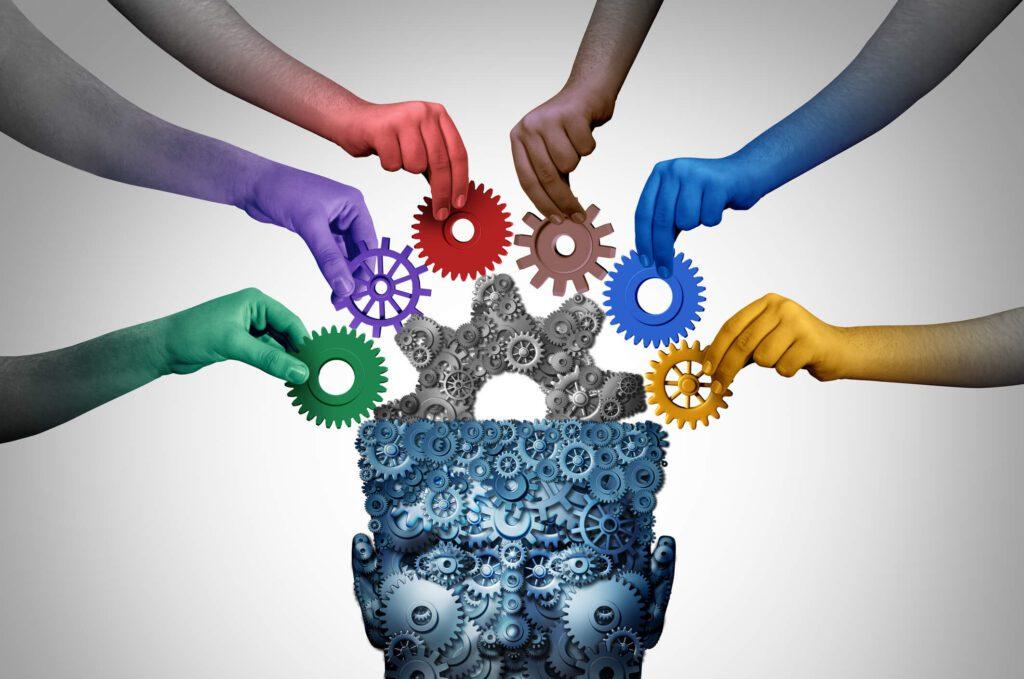
Unlocking Success: The Future of Microlearning in Education
In the rapidly evolving landscape of education, customary learning models are being reimagined to fit the digital era. Microlearning has emerged as a game-changer, providing bite-sized, focused learning experiences that cater to modern learners’ attention spans and busy lifestyles. As schools, universities, and organizations increasingly embrace technology, the future of microlearning in education looks brighter than ever.This article explores the impact, benefits, evolving trends, and future potential of microlearning, offering a extensive perspective for educators, students, and decision-makers looking to unlock new routes to success.
what is Microlearning?
Microlearning refers to the delivery of education in small, easily digestible units or modules. These units typically focus on a single learning objective and can be completed in just a few minutes. Whether delivered through videos, quizzes, infographics, or brief articles, microlearning enables learners to absorb information quickly and efficiently, often using mobile devices or learning management systems (LMS).
- Bite-sized content: Each module covers one concise topic.
- Just-in-time learning: Learners access the information when they need it most.
- Flexible formats: Microlearning utilizes multimedia, quizzes, podcasts, flashcards, and gamified lessons.
- Mobile-friendly: Accessible on smartphones, tablets, or desktops, anytime, anywhere.
why Microlearning is Gaining traction in Education
The shift towards digital conversion in education has brought microlearning to the forefront. Here’s why educators, trainers, and learners are embracing microlearning as a central component of modern education strategies:
- Shorter Attention Spans: Learners today, especially Gen Z and Millennials, prefer quick, focused content over lengthy lectures or textbooks.
- Increased Retention: Studies show that microlearning can boost knowledge retention by breaking information into manageable pieces and enabling frequent review.
- Adaptive Learning Paths: Microlearning can be tailored to individual learning speeds and styles, supporting personalized education.
- Higher Engagement: Interactive, bite-sized lessons keep learners motivated and prevent cognitive overload.
- Cost-Effectiveness: faster to produce and update, microlearning modules reduce content development costs for schools and businesses.
Benefits of Microlearning in Education
- Accessibility: Learn anytime and anywhere,breaking down barriers of location and time.
- Scalability: Easy to scale across classrooms, institutions, or global enterprises.
- personalization: Data-driven learning paths can be customized to fill knowledge gaps.
- Just-in-Time Support: On-demand access to information for instant application of knowledge.
- Improved Performance: Case studies indicate higher exam scores and better professional competency via microlearning implementation.
- inclusivity: Flexible formats provide equitable learning for students with diverse backgrounds and needs.
“According to a 2023 LinkedIn Learning report, organizations that adopt microlearning see a 17% increase in learner engagement and a 22% boost in knowledge retention rates.”
How Microlearning is Shaping the Future of education
As technology continues to influence pedagogical methods, several microlearning trends stand out as pivotal for the future:
- Artificial Intelligence (AI) and Adaptive Learning: AI-powered platforms personalize microlearning paths, automatically adjusting content based on learner progress and preferences.
- Gamification: Microlearning modules increasingly incorporate game design elements—points, badges, leaderboards—making learning fun and competitive.
- Micro-Credentials and Digital Badges: Short, targeted microlearning courses award digital badges or micro-credentials, validating learners’ skills instantly.
- Integration with Augmented Reality (AR) and Virtual Reality (VR): Immersive microlearning experiences engage students with hands-on, realistic scenarios.
- Social learning Integration: Platforms now support collaboration,discussions,and peer learning in micro-spaces.
- Mobile-First Approach: learners increasingly expect responsive,mobile-friendly microlearning accessible on-the-go.
Practical Tips for Implementing Microlearning
- Define Clear Objectives: Ensure each module targets one skill or concept for maximum impact.
- Mix Content Formats: Use videos, infographics, quizzes, and interactive elements to cater to various learning styles.
- Keep It Short: Limit lessons to 2-7 minutes for optimal attention and retention.
- Leverage Technology: Use Learning Management Systems (LMS) or mobile apps optimized for microlearning delivery.
- Encourage Active recall: Incorporate short assessments and prompts to strengthen memory retention.
- Foster Collaboration: Support group discussions or challenges to boost engagement and team learning.
- Track and Analyze: Use analytics to monitor learner progress and refine modules for continuous enhancement.
Case Studies: Microlearning Success Stories
1. Corporate Training at Google
Google adopted microlearning for its internal employee development programs. By condensing compliance and technical training into short, engaging modules, Google saw a 25% increase in course completion rates. Employee feedback highlighted improved knowledge recall and less time away from daily tasks.
2. Higher Education at Arizona State University (ASU)
ASU integrated microlearning units into several online degree programs. Students reported greater engagement, and course analytics revealed a notable improvement in quiz scores. The flexible format made learning more inclusive for working adults and non-traditional students.
3. K-12 Education with EdTech Startups
EdTech platforms like Duolingo and Kahoot! implement microlearning principles to teach language and reinforce core subjects in elementary and secondary schools. Their game-based, bite-sized lesson designs have sparked students’ enthusiasm for learning and demonstrated considerably higher retention rates.
first-Hand Experience: The Learner’s Perspective
Manny learners attest to microlearning’s positive impact:
- “Microlearning modules allowed me to review concepts during short breaks, fitting seamlessly into my busy college schedule.”
- “I found myself recalling information more easily right before exams, thanks to frequent quizzes and flashcards.”
- “The interactive elements made dry topics much more engaging and fun to explore.”
The Role of Educators and Institutions
For prosperous microlearning integration,educators and institutions play a pivotal role:
- Curriculum Alignment: Ensure microlearning modules connect to broader educational objectives and standards.
- Faculty Training: Provide teachers with guidance and resources for designing effective microlearning experiences.
- Continuous Feedback: Collect and act on learner feedback to refine content and delivery methods.
- Assessment Strategies: Develop formative assessments to measure skill acquisition in real-time.
- Technology Partnerships: Collaborate with EdTech providers to access cutting-edge microlearning tools and platforms.
the Future Outlook for Microlearning in Education
The future of microlearning is characterized by continued innovation and expansion:
- Global Adoption: From K-12 to higher education and corporate training, microlearning will become standard practise.
- Global Accessibility: As Internet access grows,microlearning will reach learners in remote and underserved regions.
- Data-Driven insights: AI and analytics will fine-tune microlearning experiences for maximum efficacy and learner satisfaction.
- Lifelong Learning: Microlearning enables individuals to continually upgrade skills, adapting to the ever-changing workforce demands.
“By 2027, more than 60% of learning content in organizations is expected to be delivered via microlearning platforms, reflecting a paradigm shift in education and professional development.” – Global Microlearning Market Research
Conclusion: Unlocking Success with Microlearning
Microlearning is not just a trend—its a fundamental shift in how knowledge is delivered,received,and retained. Its flexibility, accessibility, and proven effectiveness make it an indispensable tool for students, educators, and institutions striving for success in the modern world.By embracing the future of microlearning in education, we are unlocking boundless opportunities for growth, engagement, and achievement—one bite-sized lesson at a time.
as we look to the future, integrating microlearning strategies into educational practice will be essential to keep pace with changing learner needs and technological advancements. Whether in the classroom, online, or the workplace, microlearning promises to empower learners and educators to reach their fullest potential.
Are you ready to unlock success with microlearning?