
Unlocking Success: The Impact of Parental Involvement in Social-Emotional Learning
Introduction
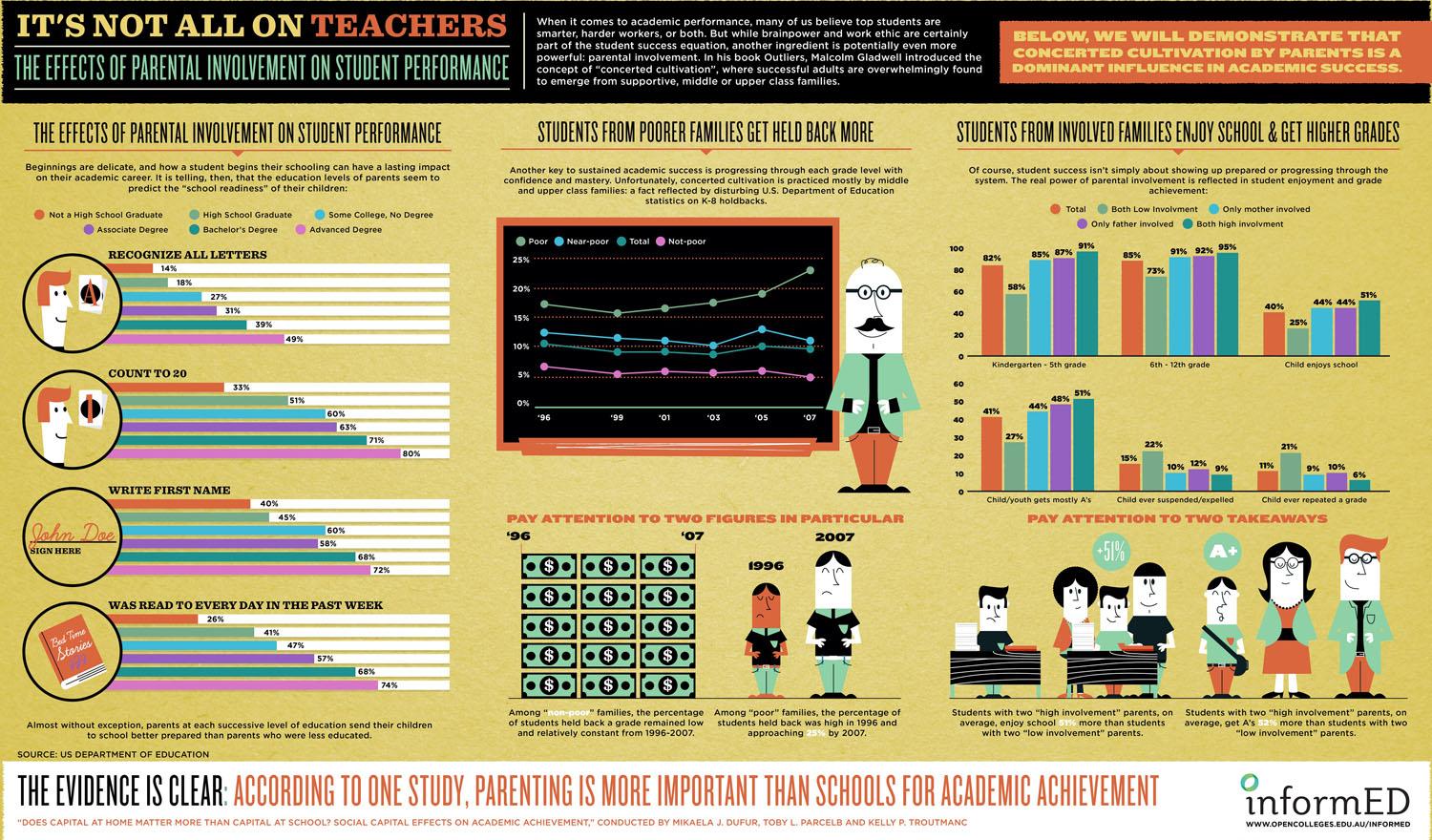
As the world becomes increasingly complex, social-emotional learning (SEL) has emerged as an essential pillar in children’s growth and education. While schools play a crucial role, research consistently shows that parental involvement in social-emotional learning considerably amplifies positive outcomes for students. When families and educators join forces, children thrive—developing resilience, empathy, self-regulation, and healthy relationships that pave the way for lifelong success. This article explores the critical impact of parental involvement in SEL, highlights the benefits, showcases best practices, and arms parents with actionable strategies to empower their children.
What Is Social-Emotional Learning (SEL)?
Social-emotional learning refers to the process by which children and adults acquire and apply the knowledge, attitudes, and skills needed to:
- Understand and manage emotions
- Set and achieve positive goals
- Feel and show empathy for others
- Establish and maintain healthy relationships
- Make responsible decisions
Core SEL competencies, as defined by CASEL (Collaborative for Academic, Social, and Emotional Learning), include self-awareness, self-management, social awareness, relationship skills, and responsible decision-making. While SEL is ofen integrated into curricula, its true power unfolds when families extend these lessons at home.
Why Parental Involvement in Social-Emotional Learning matters
Parental involvement in social-emotional learning is more than homework help—its about modeling, teaching, and reinforcing crucial life skills. when parents actively engage in their children’s SEL journey, several positive impacts are observed:
- Enhanced Emotional Intelligence: Children learn to identify, express, and regulate their emotions more effectively.
- Better Academic Achievement: SEL skills support focus, perseverance, and collaboration—key drivers of academic performance.
- Increased Resilience: Kids better navigate setbacks, stress, and change.
- Stronger Relationships: Effective communication and empathy foster healthy peer and family bonds.
- Reduced Behavioral Issues: Proactive SEL reduces bullying, conflicts, and emotional outbursts.
Key Takeaway: SEL is most effective when parents, caregivers, and schools create a united front, forming a network of consistent support around the child.
Benefits of Parental Involvement in Social-Emotional Learning
Unlocking a child’s full potential requires more than academic rigor.here’s how parental engagement in social-emotional learning pays off for children, families, and communities:
- Improved Communication Skills: home is where children practice emotional expression and active listening.
- Increased Confidence and Self-Esteem: Consistent encouragement from parents helps children believe in themselves and take healthy risks.
- Greater Empathy and Compassion: Family discussions about feelings and experiences foster understanding of others.
- Consistent Behavior Expectations: Reinforcing SEL values at home and school reduces confusion about appropriate social conduct.
- Deeper Parent-Child Bonds: Collaborative SEL activities strengthen family relationships and mutual trust.
- Long-Term Life Success: SEL is linked to improved mental health, job satisfaction, and healthier adult relationships.
How Parents Can Support Social-Emotional Learning: Practical Tips
Whether your child’s school already uses SEL programs or not, parents play an essential, irreplaceable role in nurturing social and emotional growth. here are actionable ways to get involved:
1. Model Healthy Emotional Expression
- Let your child see you expressing emotions constructively (“I feel frustrated,but I know I can calm down.”)
- Discuss your feelings openly—show that all emotions are valid and manageable.
2. Practice Active Listening
- Give your child undivided attention during conversations.
- Repeat back what you’ve heard to show understanding (“It sounds like you’re upset about what happened at recess. Can you tell me more?”)
3.Role Play Social Scenarios
- Act out real-life situations—challenging friendships, sharing, apologizing—for practice and guidance.
- Encourage problem-solving: “What could you do differently next time?”
4. Encourage Reflection
- After big emotions or events, discuss what happened, how it felt, and what could be learned.
- Use open-ended questions to guide self-awareness (“how did that make you feel? What might help next time?”)
5. celebrate Effort and Progress
- Acknowledge growth in skills like patience, kindness, and conflict resolution.
- praise the process, not just outcomes (“I’m proud of how you worked through that tough moment.”)
6. Collaborate with Educators
- Communicate regularly with teachers about SEL initiatives in school.
- Align home routines with classroom strategies for consistency.
7. Access SEL resources
- Utilize books, games, apps, and videos designed for social-emotional learning at home.
- Seek out local SEL workshops or family engagement events.
Case Studies: The Transformative Power of Parental Involvement
Real-life examples highlight the substantial difference parental involvement can make:
The Anderson family started weekly “emotion check-ins” where family members shared highs and lows. As a result, their son—previously prone to emotional outbursts—became more self-aware and learned to communicate frustration without escalating conflict. His teacher noted fewer classroom disruptions and greater willingness to resolve disagreements peacefully.
After attending an SEL parent workshop, Mrs. Garcia began role-playing coping skills with her daughter during stressful homework sessions. Not only did her daughter’s academic performance improve, but she also expressed feeling “braver” at school and was more willing to participate in group activities.
First-hand Experience: A Parent’s Outlook
“When our son’s school added SEL lessons,we were skeptical at first.But after partnering with teachers and practicing these skills at home—like breathing exercises and respectful disagreement—we saw a real change. He’s not only getting better grades but has become more thoughtful and resilient overall. As a parent,being proactive in SEL made a world of difference not just for our child,but for our family dynamic.”
— Lisa T., Parent and SEL Advocate
Conclusion: Empowering Children for Lifelong Success
The evidence is clear: parental involvement in social-emotional learning is pivotal for nurturing emotionally healthy, academically capable, and socially responsible children.By embracing your role as an SEL champion—through modeling, open communication, and collaboration with educators—your impact extends well beyond the classroom. Together, we can unlock every child’s potential and lay the foundation for brighter, more compassionate futures.
Ready to start? Explore more SEL resources, attend local workshops, and most importantly—keep the conversation going at home. Your support today can shape your child’s happiness and success for a lifetime.