
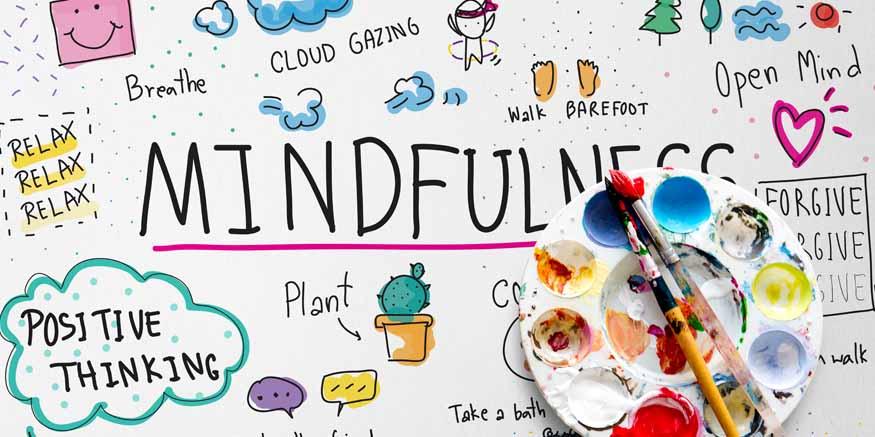
Unlocking Success: The Powerful Role of Mindfulness in Modern Education
Modern education is rapidly evolving to address the dynamic needs of students and educators. In the pursuit of academic excellence and holistic growth, mindfulness in education has emerged as a game-changer. But what exactly is mindfulness, and how does it empower students and educators? This article delves deep into the powerful role of mindfulness in modern education, exploring its transformative benefits, practical integration strategies, real-world case studies, and actionable insights for unlocking student success.
What Is mindfulness and Why Does It Matter in Education?
At its core, mindfulness is the practice of paying attention to the present moment with openness, curiosity, and without judgment. In educational settings, mindfulness supports students and teachers in:
- Managing stress and emotional challenges
- Enhancing focus and concentration
- Improving emotional intelligence and self-awareness
- Creating a compassionate, inclusive classroom atmosphere
With rising academic pressures and the complexities of the modern world, mindfulness offers a vital toolkit to nurture resilience, creativity, and authentic engagement. Integrating mindfulness into modern education systems paves the way for both academic achievement and lifelong wellbeing.
The Science-Backed Benefits of Mindfulness in Modern Education
Extensive research highlights the far-reaching advantages of mindfulness-based approaches within educational contexts.Here are some key benefits enjoyed by both students and educators:
For Students
- Improved Academic Performance: Regular mindfulness practices are linked to sharper attention and better memory retention, directly influencing academic success.
- Lower Stress and Test Anxiety: mindfulness helps students manage pre-exam nerves, making assessments less daunting and more manageable.
- Higher Emotional Resilience: Mindfulness cultivates emotional awareness, enabling students to navigate social and personal challenges with greater confidence.
- Greater empathy and Social Skills: practicing mindfulness nurtures empathy and positive peer interactions, reducing instances of bullying and conflict.
For Educators
- Reduced Burnout: Mindfulness supports self-care, helping teachers recharge and avoid emotional exhaustion.
- Enhanced Classroom management: Calmer, more focused educators foster a supportive and respectful learning environment.
- Stronger student-Teacher Relationships: Mindfulness helps teachers become more present and attentive,building trust and rapport with students.
Integrating Mindfulness into the Modern Classroom: Practical Tips
Ready to bring mindfulness to your classroom or educational institution? Here are actionable steps for embedding mindfulness into daily routines:
- Start Small: Begin with short mindful breathing or body scan practices at the start or end of the school day.
- Use Mindfulness Apps: leverage digital tools like Headspace for Educators or Calm Schools to guide meditation sessions.
- Create a Mindful Space: Dedicate a corner of the classroom for quiet reflection or guided mindfulness breaks.
- Model Mindfulness: Educators practicing mindfulness set a positive example, encouraging students to follow suit.
- incorporate Mindful Moments: Pause before exams, during transitions, or after recess with quick 1-2 minute grounding exercises.
- Integrate into Curriculum: align mindfulness initiatives with existing lessons, such as using breathwork to foster focus during reading time.
- Encourage Journaling: Reflective writing exercises help students notice and process their thoughts in a non-judgmental way.
Case Studies: Mindfulness in Action
1.Oakland Unified School District, California
This district pioneered mindfulness programs in over 60 schools, resulting in a decrease in suspensions and notable improvements in student behavior and academic focus. Teachers reported feeling more equipped to handle classroom stress and conflict.
2. Warwick University Mindfulness in Schools Project, United Kingdom
Through an 8-week mindfulness curriculum, participants demonstrated lower levels of mental distress, increased attentiveness, and improved emotional regulation. Many schools reported sustained positive effects in school culture long after the formal program ended.
3. Individual Testimony: Ms. Aria Robertson, Elementary School Teacher
“Implementing five-minute mindful breathing every morning in my classroom changed the way my students approach learning. I witnessed a dramatic shift in their ability to listen, engage, and resolve peer conflicts. It also helped me become a more patient,reflective teacher.”
Mindfulness in Education: Common Misconceptions
Despite its well-documented benefits, several myths persist about mindfulness in education. Let’s clarify:
- Myth: Mindfulness is time-consuming and distracts from curriculum goals.
Fact: Mindfulness practices can be brief and are shown to enhance focus, thus supporting academic achievement.
- Myth: Mindfulness is religious or spiritual.
Fact: Mindfulness in schools is secular, evidence-based, and suitable for diverse populations.
- Myth: Only certain age groups benefit from mindfulness.
Fact: Mindfulness practices can be adapted to students from early childhood to high school and beyond.
Long-Term Impacts: Building Lifelong Skills
Mindfulness in education goes beyond immediate outcomes, laying a foundation for personal and professional success. Research shows that students who adopt mindfulness skills demonstrate:
- Increased Self-Regulation: Better management of impulses and emotions, crucial for academic and career excellence.
- Greater Adaptability: enhanced ability to cope with change and setbacks, significant for success in a fast-changing world.
- Promotion of Growth Mindset: Mindfulness fosters non-judgmental awareness, helping students embrace challenges as learning opportunities.
Actionable Steps: Bringing Mindfulness to Your school or Institution
- Professional Development: Support teachers and staff with mindfulness training and workshops.
- Parent Engagement: Offer mindfulness resources or workshops for families to extend benefits beyond the classroom.
- Collaborate with Experts: Partner with organizations and certified mindfulness coaches for tailored program design.
- Measure Impact: Collect feedback and monitor outcomes to adjust practices and highlight successes.
Conclusion: Mindfulness as a Catalyst for Success in Modern Education
Unlocking student success and educator wellbeing in the 21st century requires innovative, research-backed approaches. Mindfulness in modern education is not another passing trend—it is indeed a vital ingredient for sustainable achievement, emotional resilience, and compassionate school communities. By investing in mindfulness, schools and educational institutions plant the seeds for a more focused, empathetic, and thriving future generation.
Ready to embark on your mindfulness journey? Start small, stay consistent, and watch as your classroom transforms into a space where every student—and teacher—can flourish.