
Unlocking Success: The Role of Mindfulness in Education for Enhanced Learning and Wellbeing
In today’s fast-paced world,educators and students alike face mounting pressures—from standardized testing to increasing workloads and digital distractions. As schools strive to unlock success and boost student achievement, one essential tool is gaining traction: mindfulness in education. Extensive research now highlights how integrating mindfulness practices in the classroom not onyl enhances academic performance but also promotes student wellbeing, emotional regulation, and resilience. In this complete article, we delve into the impact, benefits, and practical strategies for cultivating mindfulness in educational settings, paving the way for enriched learning experiences and healthier school communities.
What is Mindfulness in Education?
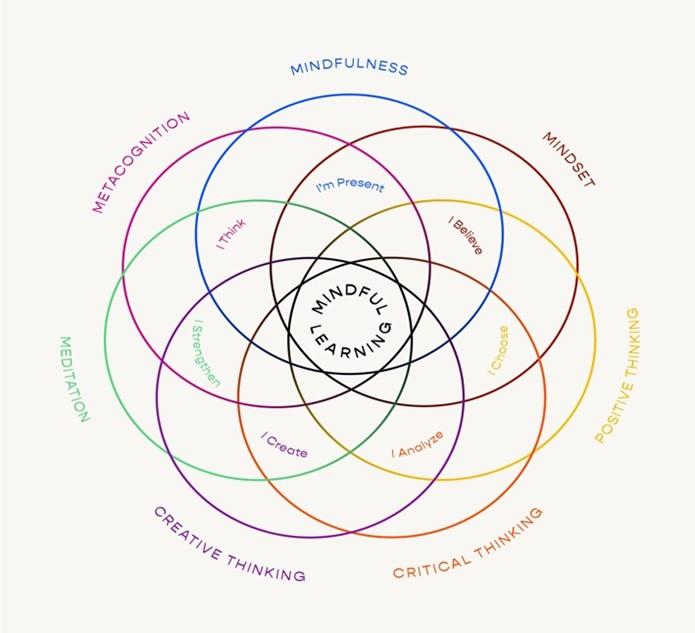
Mindfulness refers to the practice of paying deliberate attention to the present moment with an open and non-judgmental attitude. In the context of education, mindfulness involves fostering awareness in students and educators, helping them stay engaged, focused, and emotionally balanced throughout the learning process.
- For students: Mindfulness can mean pausing to notice their thoughts, feelings, and body sensations before reacting.
- For teachers: It entails being present, mindful of student needs, and maintaining calm under pressure.
By weaving mindfulness into daily classroom routines, schools create an surroundings conducive to enhanced learning and student wellbeing.
The Benefits of Mindfulness in Education
implementing mindfulness in education has shown to yield far-reaching benefits for students, teachers, and educational institutions alike.
Academic benefits
- Improved Concentration: Mindfulness techniques enhance focus and attention span, crucial for effective learning and exam performance.
- Better Memory Retention: Regular mindfulness practices boost short- and long-term memory, aiding in information recall.
- Enhanced Problem-Solving: Calmer, more focused minds are better equipped to tackle complex problems and think creatively.
Wellbeing Benefits
- Reduced Stress and Anxiety: Mindfulness practices lower cortisol levels, helping students cope with academic and social pressures.
- Emotional Regulation: Students learn to manage emotions, respond thoughtfully, and maintain positive relationships.
- Greater Resilience: Mindfulness fosters grit and perseverance in the face of setbacks or failures.
Classroom Environment Benefits
- Improved Classroom Climate: Mindful classrooms exhibit increased cooperation, empathy, and respect among peers.
- Reduced Behavioral Issues: Teachers report fewer disruptions and greater student self-control.
- Enhanced Teacher Wellbeing: Mindfulness also supports teacher mental health, reducing burnout and improving job satisfaction.
real-World Case Studies: Mindfulness Transforming schools
The impact of mindfulness in schools is supported by compelling real-world examples from around the globe.
Case Study 1: San Francisco Unified School District
In San Francisco, a mindfulness program known as “Quiet Time” was introduced to several public schools. After just four years, schools reported:
- Reduction in suspensions by up to 45%
- Important improvements in student attendance and GPA
- Reports from teachers highlighting better classroom engagement and student cooperation
Case Study 2: Inner Explorer Program
The Inner Explorer program, implemented in over 800 U.S. schools, provides daily mindfulness audio practices.Schools participating in the program have seen:
- 10% betterment in reading and math proficiency
- Decreases in disciplinary referrals
- Heightened student and teacher wellbeing according to participant surveys
Educators’ Testimonials
“Bringing mindfulness into my classroom has changed the way my students learn and interact. They’re calmer, kinder, and more engaged. Even just a few minutes a day makes a big difference.” – Ms.Lina, 4th grade Teacher
Practical Strategies for Incorporating Mindfulness in Education
Integrating mindfulness into the school day doesn’t require extensive resources or time. Here are some effective ways to nurture mindfulness for enhanced learning and wellbeing:
simple Mindfulness Activities for the Classroom
- Mindful Breathing: begin each lesson with 2-3 minutes of guided deep breathing to center attention.
- Body Scan: Guide students through a swift body awareness exercise to release tension and foster focus.
- Gratitude Journals: Encourage writing about positive experiences or things they’re thankful for each day.
- Mindful Listening: Practice active listening with partners to build empathy and communication skills.
- Movement Breaks: Integrate mindful stretching or yoga to refresh minds and bodies during long lessons.
Tips for Teachers and School Leaders
- Start Small: Introduce brief mindfulness practices and build gradually as students become familiar.
- Model Mindfulness: Teachers who openly practice mindfulness set a powerful example for students.
- Leverage Technology: Utilize mindfulness apps and audio guides to support daily practice.
- Seek Training: Attend workshops or online courses focused on mindfulness in education for practical guidance.
- Create a Supportive Environment: Encourage mindfulness practice throughout the school community, including staff and families.
Addressing Common Challenges in Implementing Mindfulness
While the benefits are clear, schools may encounter obstacles when bringing mindfulness into classrooms. Here’s how to overcome common challenges:
- Time Constraints: Fit short, 1-3 minute practices into transitions between activities or first thing in the morning.
- Student Skepticism: Engage students by explaining the science-backed benefits and making activities fun and relatable.
- Lack of Training: Encourage participation in professional growth programs or connect with external mindfulness educators.
- Inconsistent Implementation: Assign a mindfulness champion or team to support ongoing integration and track progress.
Frequently Asked Questions About Mindfulness in Education
- Is mindfulness in education evidence-based?
- Yes, decades of research have documented the positive effects of mindfulness programs on learning, student wellbeing, and classroom dynamics.
- How much time per day is recommended?
- Even just 5-10 minutes daily can yield significant benefits for students and teachers alike.
- Is mindfulness appropriate for all age groups?
- Absolutely. mindfulness practices can be adapted for early childhood, primary, secondary, and even higher education settings.
Conclusion: Unlocking Student Success with Mindfulness
As schools seek ways to cultivate resilient, accomplished, and well-rounded students, mindfulness in education stands out as a transformative approach.By harnessing simple yet powerful mindfulness strategies,educators can foster enhanced learning,greater emotional balance,and lasting wellbeing.Weather you’re an administrator, teacher, parent, or student, embracing mindfulness paves the way for a brighter, more mindful educational journey and future success.
Start small, stay consistent, and witness the positive ripple effect of mindfulness in your classroom and beyond.