
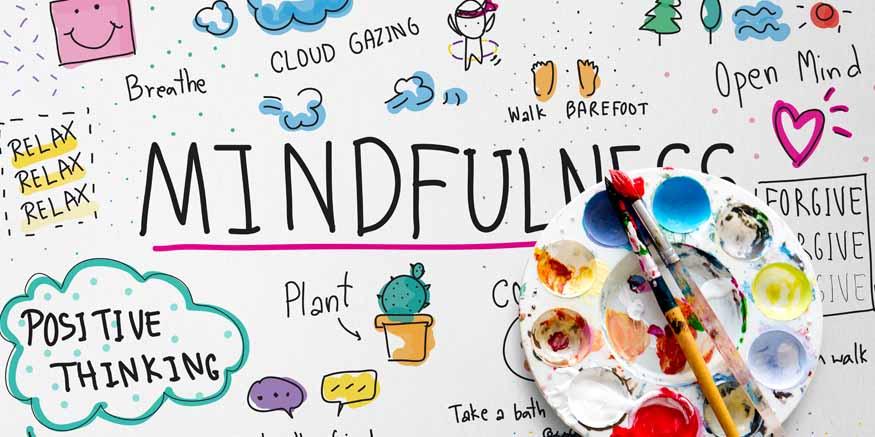
Unlocking Success: The Role of Mindfulness in Education for Improved learning and Well-Being
In an ever-evolving educational landscape, schools and educators are seeking effective strategies to enhance learning, mental health, and overall well-being among students. One powerful and increasingly popular approach is mindfulness in education. But what exactly does it entail, and how does it support improved learning outcomes and student wellness? In this in-depth article, we’ll explore the essential role of mindfulness in education, highlight it’s scientifically backed benefits, review compelling case studies, and provide practical tips for integrating mindfulness practices into classrooms and daily life.
What Is Mindfulness in Education?
Mindfulness in education refers to the intentional incorporation of mindful awareness practices into the classroom environment. At its core, mindfulness means focusing one’s attention on the present moment, with openness, curiosity, and without judgment. In schools, this often translates into guided breathing exercises, mindful movement, and reflective classroom activities that encourage students and educators to slow down, observe their thoughts and feelings, and respond thoughtfully rather than react impulsively.
- Formal mindfulness exercises: Breath awareness, guided meditations, body scans.
- Informal mindfulness: Paying attention during routine activities such as transitions, eating, or recess.
- Social and emotional learning (SEL): Integrating mindfulness with SEL programs fosters emotional regulation and interpersonal skills.
The Benefits of Mindfulness in Education
Implementing mindfulness practices in educational settings offers measurable advantages for both students and educators. Here are some of the most impactful benefits:
1. Enhanced Academic Performance
- Improved focus and concentration,leading to better retention of details.
- Stronger executive functioning skills, like planning and institution.
- Reduced test anxiety and procrastination.
2. Emotional and Mental Well-Being
- Lower levels of stress, anxiety, and symptoms of depression.
- Greater emotional regulation and resilience.
- Improved mood and positivity in the classroom.
3. Better Social Relationships
- Enhanced empathy and compassion among peers.
- Reduced conflict and improved classroom climate.
- Stronger student-teacher relationships and collaboration.
4. Positive Teacher Well-Being
- reduced burnout and increased job satisfaction.
- Better classroom management and presence.
- Greater patience, self-awareness, and joy in teaching.
Science Supporting Mindfulness in Education
A growing body of research supports the positive impacts of mindfulness in education. For example, a 2019 review published in Frontiers in Psychology found that mindfulness-based interventions substantially improved attention, executive function, and emotional regulation in students. Similarly, a 2016 meta-analysis of 24 studies concluded that mindfulness leads to better psychological functioning,behavioral regulation,and academic performance in school-aged children.
Key findings from recent research include:
- Improved working memory: Students participating in mindfulness programs demonstrated notable gains in working memory and cognitive adaptability.
- Reduced aggression: Mindfulness training led to decreased aggression and disruptive behaviors.
- Increased school engagement: Regular mindful practices correlated with more positive attitudes toward school and greater motivation to learn.
Real-World Case Studies: Mindfulness Making a Difference
Case Study 1: MindUP™ at Elementary schools
The MindUP™ program—a curriculum grounded in neuroscience, positive psychology, and mindful awareness—has been successfully implemented in over 6,000 schools globally. Teachers reported that students were calmer, more focused, and better able to manage their emotions in stressful situations.Standardized test scores also showed betterment following consistent practice of MindUP techniques.
Case Study 2: Penn Resiliency Program (PRP) for Teen Students
In several U.S. high schools, the PRP integrates mindfulness with cognitive behavioral techniques to teach resilience. Participants exhibited lower levels of depressive symptoms, reported greater optimism, and had higher graduation rates compared to control groups.
Case Study 3: Mindfulness in College Classrooms
A large Midwestern university introduced eight-week mindfulness workshops for incoming freshmen. Results included enhanced stress management during exam periods, better academic persistence, and increased self-compassion. Many students described the experience as “transformative” for both their academic and personal lives.
First-Hand Experience: Voices from the Classroom
“After we started our morning mindfulness routines, I noticed my students were less fidgety and more connected. They even asked for ‘mindful moments’ during tough days. It’s become the heartbeat of our class culture.” — Mrs. R., Grade 5 Teacher
“Mindfulness helps me clear my mind before tests. It’s like pressing a restart button. I don’t get as nervous anymore.” — Emily, High School Sophomore
Practical tips for Bringing Mindfulness into Education
Whether you’re a seasoned educator or a parent, you can start incorporating mindfulness for learning and well-being with these simple yet effective strategies:
- start the day mindfully: Dedicate 3–5 minutes to deep breathing, gratitude reflection, or body scanning before lessons begin.
- Mindful transitions: Use a chime or bell to guide students into a few moments of silence between activities,helping their brains reset.
- integrate movement: Try yoga stretches or mindful walking during breaks to help regulate energy and attention.
- Encourage journaling: Provide time for students to reflect on their thoughts,feelings,and goals,fostering self-awareness.
- Model mindfulness: Teachers who practice mindfulness themselves set a powerful example for students.
- use age-appropriate resources: Ther are apps and books available, such as Mindful Schools, Headspace, and Calm Classroom, which offer structured guidance.
Tips for School Administrators
- Offer teacher training workshops focused on mindful teaching practices.
- Incorporate mindfulness into school policy and SEL curricula.
- Create dedicated quiet spaces were students and staff can practice mindfulness anytime.
Overcoming Challenges in Implementing Mindfulness
Despite its numerous benefits, integrating mindfulness into education can present challenges, such as time constraints, skepticism, or inconsistent application. Here’s how schools can overcome common barriers:
- Start small: Introduce brief, simple exercises rather than lengthy meditation sessions.
- Share the evidence: Educate parents and staff about the research-backed benefits of mindfulness practices for students and teachers.
- Make it inclusive: Incorporate mindfulness in a secular and global way so all students feel welcome.
- Build community support: Collaborate with mental health professionals, counselors, and families to reinforce mindfulness both in and out of school.
Conclusion: Mindfulness as a Pathway to Educational Success and Well-Being
As education continues to adapt to new challenges and opportunities, the integration of mindfulness stands out as a proven, accessible, and transformative strategy. From improving academic outcomes and emotional resilience to fostering healthier classroom relationships and teacher well-being, mindfulness in education opens the door to a brighter, more balanced future for all learners. By embracing these practices,schools empower students and educators alike to unlock their full potential—both in the classroom and beyond.
Ready to get started? whether you’re a teacher, administrator, parent, or student, the path to success and well-being can begin with a single mindful moment.Your journey toward improved learning and well-being through mindfulness in education starts today.